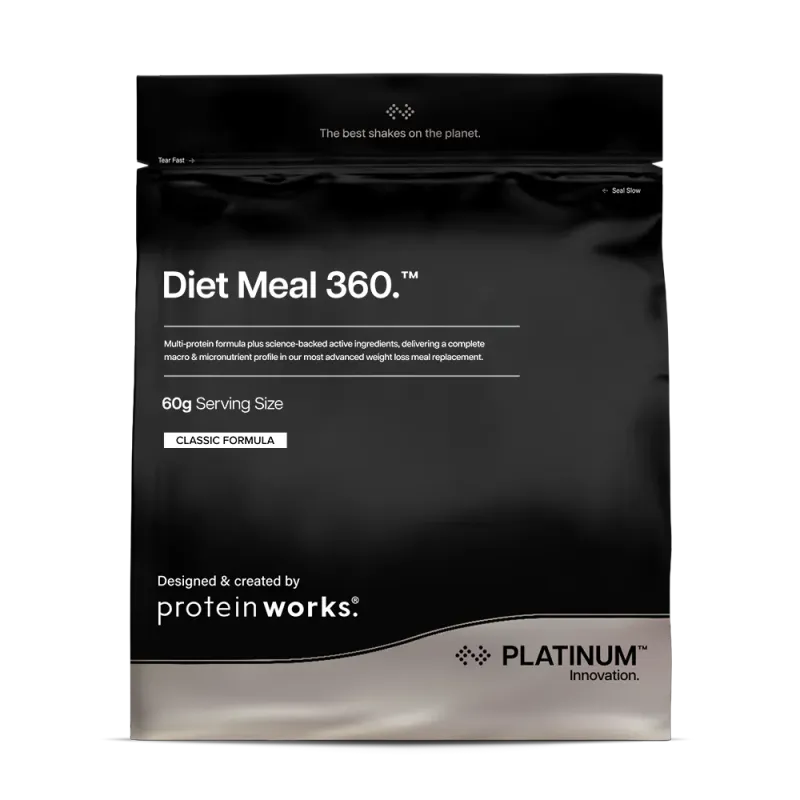
Best for one replaced meal
Protein Works
Diet Meal 360 Platinum
1kg bag
Buy Diet Meal 360 Platinum →Direct from Protein WorksGet 12% off your order
Replace one meal, or at most two, with a shake, and keep ordinary meals for the rest of the day. Choose the meal you most often skip or grab badly, eat regular meals around it, and plan how you will step down from the shakes before you finish.
Kevin, founder of WheyWise
Best for one replaced meal
Protein Works
1kg bag
Buy Diet Meal 360 Platinum →Direct from Protein Works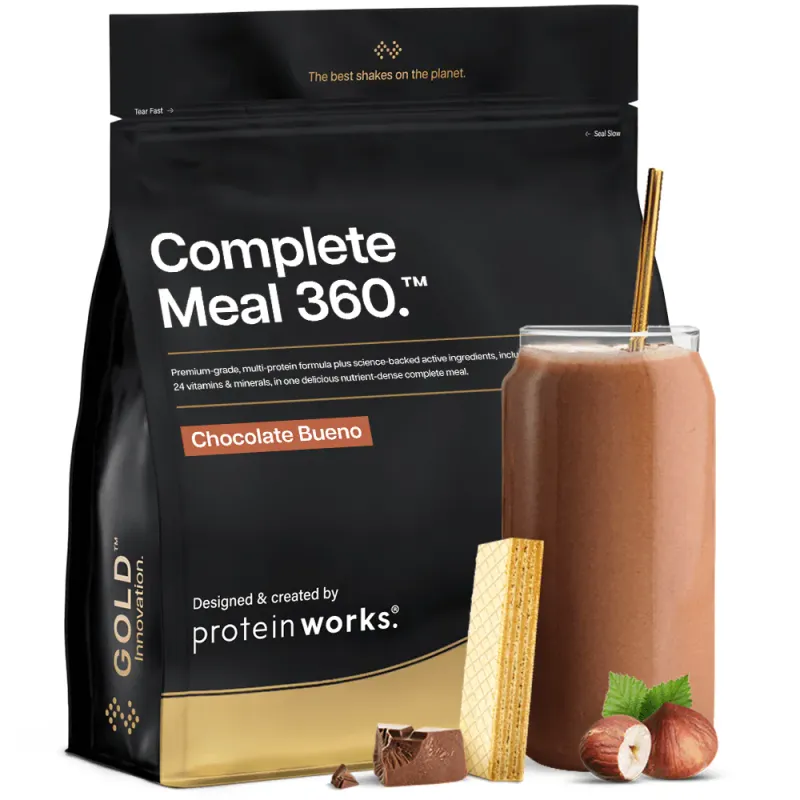
Full meal for a normal lunch
Protein Works
1kg bag
Buy Complete 360 Meal →Direct from Protein WorksQuick answer
Replace the one meal you most often skip or grab badly, and have no more than two shakes a day with ordinary food for the rest. Protein Works Diet Meal 360 PLATINUM is a sensible shake for that job at £1.20 a meal on its OnTap subscription price, with 216 kcal and 25g of protein per serving. Plan the step-down before you finish, because keeping weight off depends on the habits you keep after the shakes stop.
Using a meal replacement well is mostly a planning job. The best meal replacement shake in the UK guide covers which product to buy, and this page covers how to fit a shake into a day. The routine matters more than the brand, because the same shake works differently depending on what you eat around it.
Replace the meal you are least likely to eat well. For most people that is breakfast, a lunch grabbed at a desk, or a meal on a shift with no proper break. Those are the meals where a measured shake beats whatever is nearest.
Choose the meal that is easiest to swap in your routine, not the one you enjoy most. A shake works best in a slot you already struggle with, because it removes a decision rather than adding one.
#1 for one replaced meal
1kg bag
A measured breakfast or desk lunch: 25g of protein in 216 kcal, with the vitamins and minerals the rules ask for. The shake to start with if you are replacing one meal a day.
or compare all UK prices →#1 for one replaced meal
Pros
Cons
Protein makes up 41%
of this 60g scoop · 209 kcal total
One or two, with one ordinary meal. The shake is the planned part of the day, and the rest of your food should be ordinary meals rather than snacks. Two is the most that a meal replacement plan normally uses.
If you are tempted to have three, you are no longer replacing meals, you are replacing the diet. That is the total diet replacement category, which has its own composition rules of 600 to 1,200 kcal and 75g to 105g of protein for the whole day, so it is not a DIY extension of a shake plan.
| Pattern | Shakes a day | Ordinary meals | What it is |
|---|---|---|---|
| One shake a day | 1 | 2 | Meal replacement, the usual starting point |
| Two shakes a day | 2 | 1 | Meal replacement, two at most with one ordinary meal |
| Every meal replaced | All | None | Total diet replacement, a different product with its own rules |
Build the ordinary meals around vegetables, a source of protein and a fibre-rich carbohydrate. A shake gives you a fixed amount of fibre, so the rest of the day has to supply the rest.
Keep the ordinary meals at regular times rather than skipping one to save calories for later. A skipped meal often turns into a snack, and that undoes the planned day.
If you need extra protein between ordinary meals, that is a protein top-up, not a second meal. The best protein powder for weight loss UK guide covers those, and our meal replacement vs protein shake comparison explains when each is the right tool. If the full-meal option is a Huel, our Protein Works vs Huel guide compares the two.
A diet meal is built for a calorie-controlled day, at around 200 to 250 kcal per serving, while a full meal is around 400 kcal. A full meal suits someone who wants to replace a normal-sized lunch rather than cut calories at that meal.
Full vegan meal, most fibre
3kg bag
The full vegan meal for a normal-sized lunch: 400 kcal and 30g of protein, with the most fibre per meal in this guide. Use it to replace a meal you would eat at full size.
or compare all UK prices →Full vegan meal, most fibre
Pros
Cons
Protein makes up 30%
of this 100g scoop · 376 kcal total
Protein Works Complete Meal 360 Gold is the other full meal, at £1.37 a meal one-off and 30g of protein in 400 kcal. Use a full meal where a normal-sized meal is the goal, and a diet meal where the calories need to be tighter.
Plan the step-down before you start, because the weeks after a shake plan are where most people struggle. The Astbury et al. 2019 meta-analysis found that programmes using meal replacements led to more weight loss than food-only diets, which supports using shakes, but it does not tell you how to keep the weight off afterwards.
A practical step-down is to move from two shakes to one, then to ordinary meals, while keeping the habits that worked: regular meals, enough protein at each one, and a steady routine. Make the change gradually rather than all at once, so you can see how your appetite and your weight respond.
Track what you eat for a few weeks after the last shake, so you can see whether ordinary meals are drifting upwards. Weigh yourself on a regular schedule and read the trend rather than single days. For general guidance on weight, the NHS page on managing your weight is a sensible starting point.
The routine above works with the right shake, so choose the product using the best meal replacement shake in the UK guide. For the health side of meal shakes, including who should see a GP first, read are meal replacement shakes healthy. For live prices across every meal shake we track, use the meal replacement comparison.
One or two, with one ordinary meal for the rest of the day. Replacing every meal is a total diet replacement, which is a separate product with its own rules, and it should be planned with medical support.
The meal you least manage well, usually breakfast, a lunch at a desk or a meal on a shift. Pick the one that is easiest to swap in your routine, then choose the product using the best meal replacement shake in the UK guide.
Build your other meals around vegetables, a source of protein and a fibre-rich carbohydrate, and keep them at regular times. Do not skip a meal to save calories for later, because a skipped meal often turns into a snack.
Plan the step-down before you finish: move from two shakes to one, then to ordinary meals, and keep the habits that worked, such as regular meals and enough protein at each one. The Astbury et al. 2019 meta-analysis found that programmes using meal replacements led to more weight loss than food-only diets, but it does not describe how to keep the weight off.
Speak to your GP first, especially if you take medication for diabetes or blood pressure, because a change in calorie intake can change what those medicines need. Do not stop a prescribed medicine on your own because a shake plan has started.
Why Does My Protein Bar Taste Artificial? Ingredients to Avoid
Protein bars taste artificial mostly because of what replaces the sugar: polyols such as maltitol, usually paired with an intense sweetener such as sucralose. Polyols are also the usual reason bars cause wind and bloating. The Myprotein Layered Bar in Hotel Chocolat Salted Caramel has no maltitol and no intense sweetener.
8 min read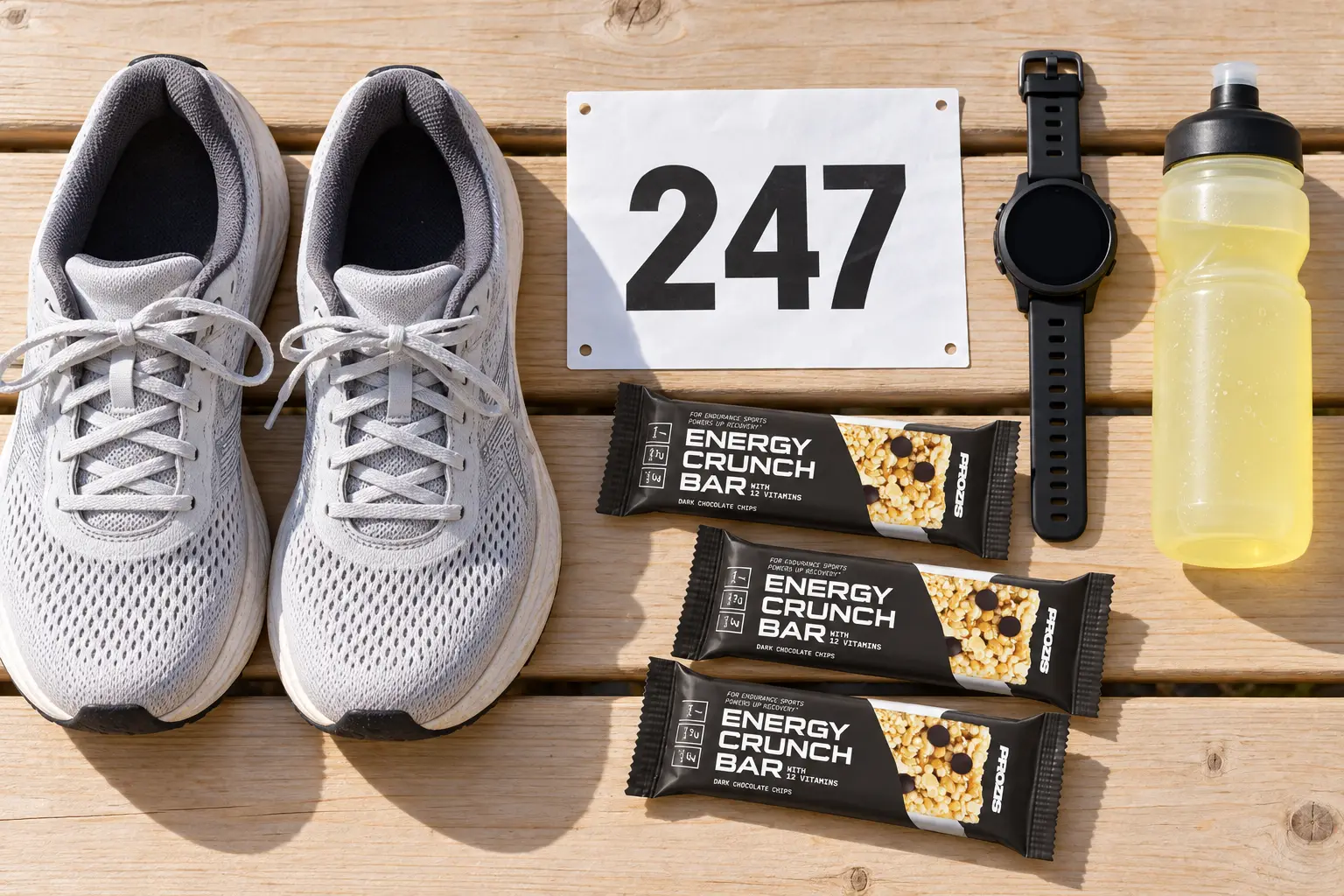
When to Eat a Protein Bar: Around Training, Snacks and Long Days
A protein bar works before training, after it or as a snack if it fills a real gap in your protein. Timing matters less than total daily protein, which the ISSN puts at 1.4 to 2.0g per kg of body weight for people who train. This guide covers each use, from training to long days.
6 min read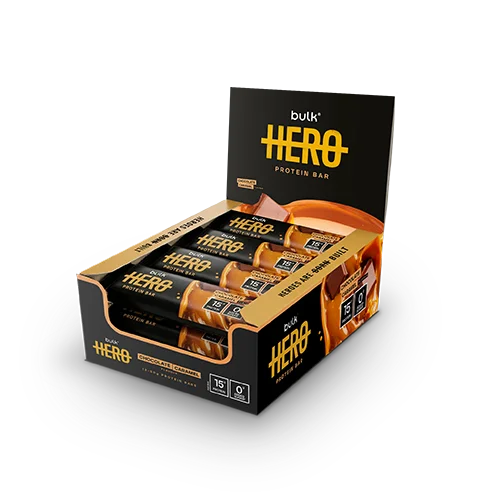
Can You Eat Protein Bars Every Day? How Many and What to Watch
One protein bar a day is a reasonable habit for most gym-goers if the rest of the diet is mainly whole food. The sweetener decides how a bar sits, because polyols such as maltitol can cause wind and loose stools in larger amounts. Here is how many bars make sense and what the UK warning means.
7 min readFind your cheapest protein
783 products compared from 181 brands
Sorted by best value per 25g of protein.
Compare all products