Best Meal Replacement Shake UK 2026: Protein Works, Huel and Myprotein Compared
The best meal replacement shakes in the UK compared on price per meal, price per 25g of protein, calories, fibre and sugar, with every price and label read on the brand's own website on 23 September 2026.
Kevin, founder of WheyWise
Best full meal, cheaper than Huel Powder
Protein Works
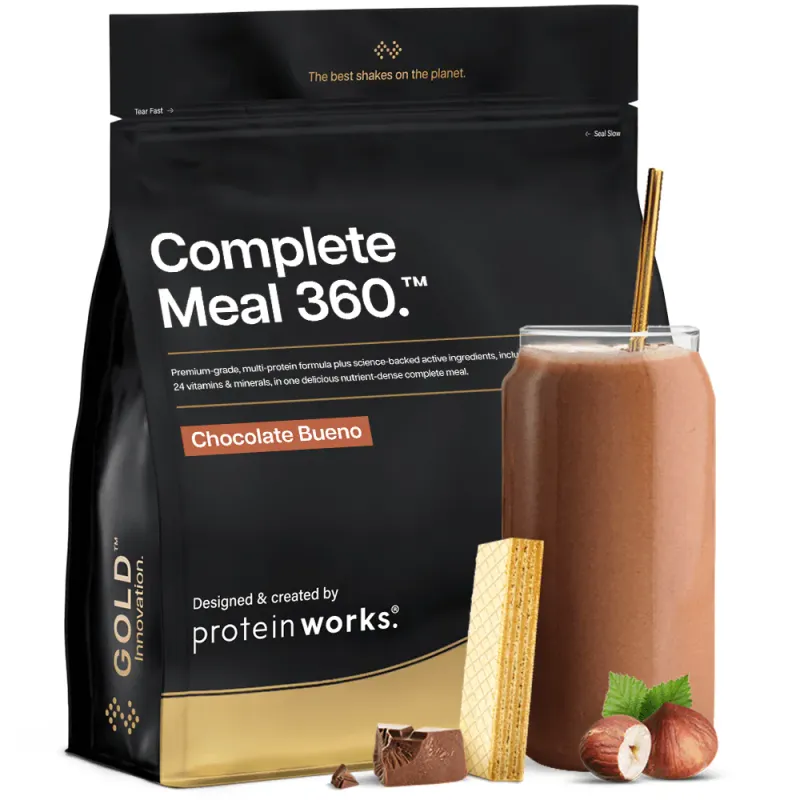
Complete 360 Meal
1kg bag
Buy Complete 360 Meal →Direct from Protein Worksor buy on Amazon →
Cheapest light meal while on sale
MyProtein
Protein Meal Replacement Blend
1.53kg bag
Buy Protein Meal Replacement Blend →Live price across UK retailersQuick answer
For a meal replacement shake that fits a calorie-controlled diet, buy Protein Works Diet Meal 360 Platinum. Protein Works Diet Meal 360 Platinum gives 25g of protein in 216 kcal per 60g serving and costs £1.42 a meal in the 4kg bag at £93.99, checked on theproteinworks.com on 23 September 2026. That is more protein per calorie than any other shake in this guide that publishes its calories. WheyWise read every price and nutrition label below on the brand's own website.
The best meal replacement shake in the UK for weight loss is Protein Works Diet Meal 360 Platinum, which gives 25g of protein in 216 kcal per 60g serving for £1.42 a meal in the 4kg bag, checked on theproteinworks.com on 23 September 2026. For a full 400 kcal meal, Protein Works Complete Meal 360 Gold costs £1.61 a meal in the 4kg bag (checked 23 September 2026), 9% less than Huel Powder bought one-off at £1.76 a meal (checked on uk.huel.com on 23 September 2026). Protein Works Complete Meal 360 Platinum is the cheapest source of protein in this guide, at £1.14 per 25g of protein in the 3.6kg bag, 9% less than Huel Black Edition at £1.25 bought one-off, both checked 23 September 2026.
WheyWise compares every shake here two ways: price per meal, which is what one serving costs you, and price per 25g of protein, the measure we use for every protein powder. All prices are one-off prices with no discount code. Protein Works prices and labels were read on theproteinworks.com on 23 September 2026. Huel, Myprotein and PER4M prices and labels were read on each brand's own website on 23 September 2026.
A note on Protein Works prices: the price cards on this page can show the Protein Works OnTap subscription price, which is about 15% below the one-off price. The prices written in this guide are one-off prices.
What is the best meal replacement shake in the UK?
Five shakes are worth buying in 2026, and the right one depends on the job. Protein Works Diet Meal 360 Platinum and Myprotein Protein Meal Replacement Blend are light meals of around 200 kcal for a calorie-controlled diet. Protein Works Complete Meal 360 Gold and Huel Black Edition are full 400 kcal meals. PER4M Meal Replacement gives 25g of protein per 60g serving.
#1 Best meal replacement for weight loss
Protein Works Diet Meal 360 Platinum
1kg bag
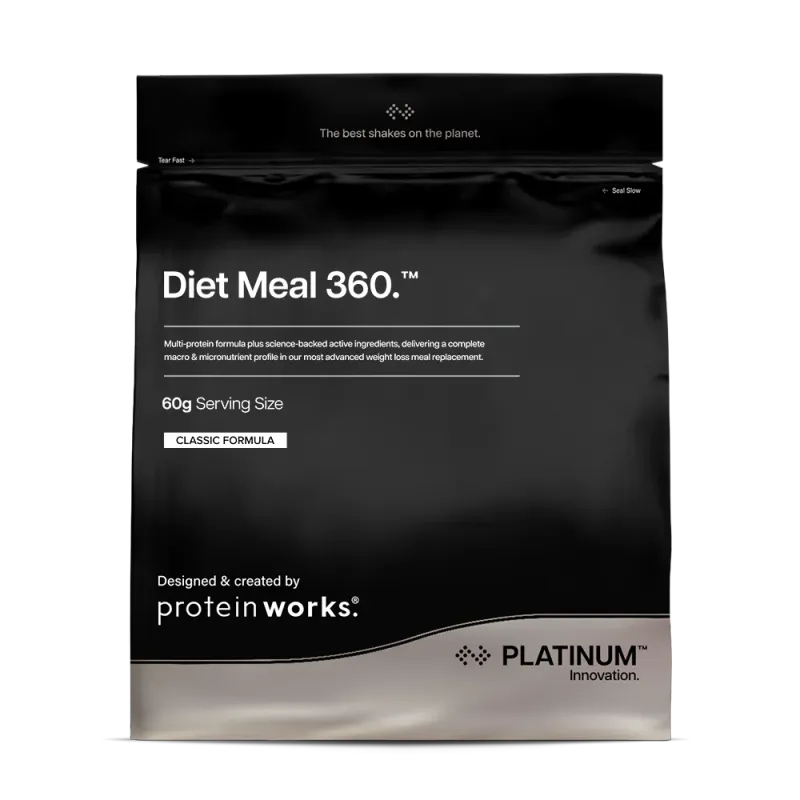
Protein Works Diet Meal 360 Platinum is the meal replacement to buy if you are cutting calories. It gives 25g of protein in 216 kcal, inside the 200 to 250 kcal range that GB rules set for meal replacements used for weight control, and costs £1.42 a meal in the 4kg bag, checked 23 September 2026.
or compare all UK prices →#1 Best meal replacement for weight loss
Pros
- + 25g of protein in 216 kcal per 60g serving, the most protein per calorie of the shakes in this guide that publish calories
- + £1.42 a meal and £1.42 per 25g of protein in the 4kg bag at £93.99, checked 23 September 2026
- + 5.0g of fibre and 1.1g of sugar per serving on the Chocolate Silk label
- + 24 vitamins and minerals, each at 30% or more of the NRV per serving, on the label checked 23 September 2026
Cons
- – A lighter meal at 216 kcal, not a full 400 kcal replacement like Huel
- – Dearer per meal than Protein Works Diet Meal 360 Black at 98p, which has 16g of protein
- – The price card may show the OnTap subscription price rather than the one-off price
●Nutrition per scoop · 24.6g protein in 60g▼
Protein makes up 41%
of this 60g scoop · 209 kcal total
#2 Best full meal, cheaper than Huel Powder
Protein Works Complete 360 Meal
1kg bag
Protein Works Complete Meal 360 Gold is the full-meal pick. It matches Huel Powder on 400 kcal and 30g of protein and costs £1.61 a meal in the 4kg bag, checked 23 September 2026, against £1.76 for Huel Powder bought one-off, checked 23 September 2026.
or compare all UK prices →#2 Best full meal, cheaper than Huel Powder
Pros
- + 400 kcal and 30g of protein per 100g meal, the same as Huel Powder
- + £1.61 a meal and £1.34 per 25g of protein in the 4kg bag at £64.49, checked 23 September 2026
- + 7.8g of fibre per meal
- + The vegan version, Protein Works Vegan Complete Meal 360 Gold, costs the same and has 0.5g of sugar per meal
Cons
- – 9.0g of sugar per meal, against 1.2g in Huel Powder
- – £1.75 a meal in the 1kg bag, so the saving over Huel needs the 2kg or 4kg bag
●Nutrition per scoop · 30g protein in 100g▼
Protein makes up 30%
of this 100g scoop · 391 kcal total
#3 40g of protein per meal
Huel Black Edition 100% Nutritionally Complete Meal
1.53kg bag
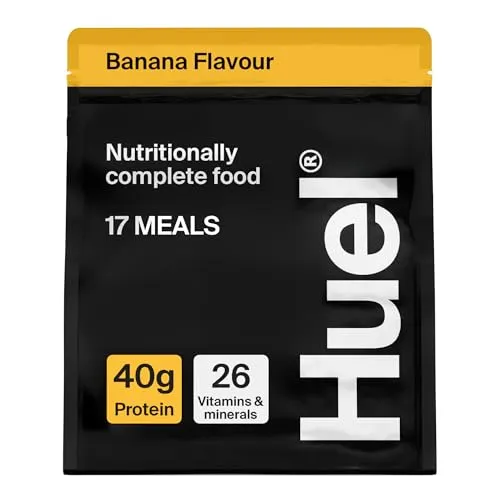
Huel Black Edition gives 40g of protein per meal, level with Protein Works Complete Meal 360 Platinum, and costs £1.25 per 25g of protein bought one-off, or £1.12 on a Huel subscription at £1.79 a meal, checked on uk.huel.com on 23 September 2026.
Buy Black Edition 100% Nutritionally Complete Meal →See the price on Amazon#3 40g of protein per meal
Pros
- + 40g of protein in 400 kcal per 90g meal
- + £1.25 per 25g of protein bought one-off, the lowest in this guide, checked 23 September 2026
- + 8.4g of fibre and 1.6g of sugar per meal on the Matcha Latte label
- + Huel says all its products are 100% vegan, with 26 vitamins and minerals
Cons
- – £1.99 a meal bought one-off (£33.90 for 17 meals), the dearest per meal in this guide
- – A full 400 kcal meal, not a light diet shake
●Nutrition per scoop · 39.6g protein in 90g▼
Protein makes up 44%
of this 90g scoop · 158 kcal total
#4 Cheapest light meal while on sale
MyProtein Protein Meal Replacement Blend
1.53kg bag
Myprotein Protein Meal Replacement Blend is the cheap light meal while its sale lasts, at £1.23 a meal in the 1.53kg bag, checked 23 September 2026. It gives less protein and much more sugar per serving than Protein Works Diet Meal 360 Platinum.
or compare all UK prices →#4 Cheapest light meal while on sale
MyProtein Protein Meal Replacement Blend
1.53kg bagPros
- + 208 kcal and 18g of protein per 51g serving
- + £1.23 a meal in the 1.53kg bag, on sale at £36.99 (usually £46.99), checked 23 September 2026
- + 4.1g of fibre per serving, plus added vitamins and minerals
Cons
- – 14g of sugar per serving, the most of any shake in this guide
- – £1.73 per 25g of protein, against £1.42 for Protein Works Diet Meal 360 Platinum
- – At the usual £46.99 it works out at £1.57 a meal
●Nutrition per scoop · 17.9g protein in 51g▼
Protein makes up 35%
of this 51g scoop · 198 kcal total
#5 UK brand alternative
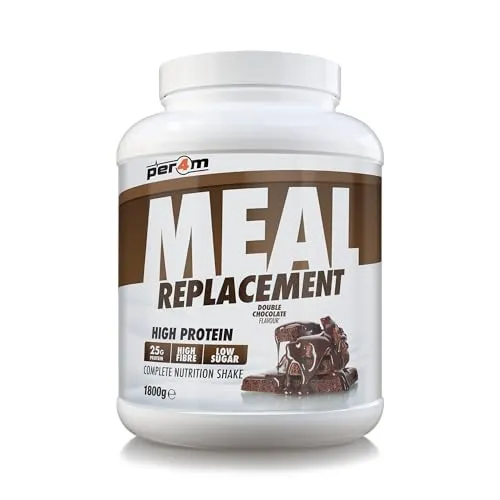
PER4M Nutrition Meal Replacement
1.8kg bag
PER4M Meal Replacement matches Protein Works Diet Meal 360 Platinum on 25g of protein per serving, at £1.67 a meal in the 1.8kg bag on the PER4M website, checked 23 September 2026. The card below shows the live Amazon offer, which can differ.
Buy Meal Replacement →See the price on Amazon#5 UK brand alternative
PER4M Nutrition Meal Replacement
1.8kg bagPros
- + 25g of protein per 60g serving, the same as Protein Works Diet Meal 360 Platinum
- + £1.67 a meal and £1.67 per 25g of protein in the 1.8kg bag at £49.99 on per4mbetter.com, checked 23 September 2026
- + 25 vitamins and minerals, according to PER4M
Cons
- – PER4M's own product page does not show calories, fibre or sugar per serving, so we could not compare them
- – Dearer per meal than Protein Works Diet Meal 360 Platinum for the same 25g of protein
●Nutrition per scoop · 24.6g protein in 60g▼
Protein makes up 41%
of this 60g scoop · 222 kcal total
How much does a meal replacement shake cost per meal and per 25g of protein?
Meal replacement shakes compared, one-off prices, checked 23 September 2026
Protein Works Diet Meal 360 Platinum (60g serving): 216 kcal, 25g protein, 5.0g fibre, 1.1g sugar. £1.42 a meal, £1.42 per 25g of protein (4kg, £93.99).
Protein Works Diet Meal 360 Black (65g serving): 239 kcal, 16g protein. 98p a meal, £1.54 per 25g of protein (4kg, £59.99).
Protein Works Complete Meal 360 Gold (100g meal): 400 kcal, 30g protein, 7.8g fibre, 9.0g sugar. £1.61 a meal, £1.34 per 25g of protein (4kg, £64.49).
Protein Works Complete Meal 360 Platinum (90g meal): 400 kcal, 40g protein, 10g fibre, 1.0g sugar. £1.82 a meal, £1.14 per 25g of protein (3.6kg, £72.99).
Huel Powder (100g meal): 400 kcal, 30g protein, 8.0g fibre, 1.2g sugar. £1.76 a meal, £1.47 per 25g of protein (17 meals, £30).
Huel Black Edition (90g meal): 400 kcal, 40g protein, 8.4g fibre, 1.6g sugar. £1.99 a meal, £1.25 per 25g of protein (17 meals, £33.90).
Myprotein Protein Meal Replacement Blend (51g serving): 208 kcal, 18g protein, 4.1g fibre, 14g sugar. £1.23 a meal, £1.73 per 25g of protein (1.53kg, £36.99 sale price).
PER4M Meal Replacement (60g serving): 25g protein; calories, fibre and sugar not shown on the brand page. £1.67 a meal, £1.67 per 25g of protein (1.8kg, £49.99).
Protein Works figures from theproteinworks.com, Chocolate Silk labels, 23 September 2026. Huel from uk.huel.com (Huel Powder Banana label, Huel Black Edition Matcha Latte label), Myprotein from myprotein.com (Strawberry label) and PER4M from per4mbetter.com, all 23 September 2026.
Protein Works Diet Meal 360 Black is the cheapest meal replacement per meal in this guide, at 98p a meal in the 4kg bag, checked 23 September 2026, but it gives only 16g of protein in 239 kcal. Protein Works Complete Meal 360 Platinum is the cheapest per 25g of protein, at £1.14 in the 3.6kg bag, with Huel Black Edition next at £1.25 bought one-off, both checked 23 September 2026. Protein Works Complete Meal 360 Gold costs £1.34 per 25g of protein and Protein Works Diet Meal 360 Platinum costs £1.42 per 25g of protein, both in the 4kg bag, checked 23 September 2026.
Subscriptions lower the Huel prices. Huel Powder costs £1.59 a meal (£27 for 17 meals) and Huel Black Edition costs £1.79 a meal (£30.50 for 17 meals) on a Huel subscription, checked 23 September 2026, which puts Huel Black Edition at £1.12 per 25g of protein.
Bag size matters as much as brand. Myprotein Protein Meal Replacement Blend costs £1.47 a meal in the 765g bag (£21.99 for 15 servings) against £1.23 in the 1.53kg bag, both at sale prices on 23 September 2026. PER4M Meal Replacement costs £2.00 a meal in the 900g tub (£29.99) against £1.67 in the 1.8kg bag, checked the same day.
What counts as a meal replacement shake?
In Great Britain, a shake can only carry the authorised weight-control claims for meal replacements if one serving gives 200 to 250 kcal, gets 25% to 50% of its energy from protein and no more than 30% from fat, and supplies at least 30% of the NRV for its vitamins and minerals. Those conditions come from retained Regulation (EU) No 432/2012, checked on legislation.gov.uk on 23 September 2026. Many shakes sold as meal replacements are full 400 kcal meals instead, which is a different product rather than a worse one.
Protein Works Diet Meal 360 Platinum sits inside that energy band at 216 kcal, with 46% of its energy from protein. Myprotein Protein Meal Replacement Blend also sits inside it at 208 kcal, with 35% of its energy from protein. Huel Powder, Huel Black Edition and Protein Works Complete Meal 360 Gold are 400 kcal meals, built to replace a full meal rather than a diet meal.
Past calories, read two lines on the label. Sugar per serving runs from 0.5g in Protein Works Vegan Complete Meal 360 Gold to 14g in Myprotein Protein Meal Replacement Blend in this guide. Fibre per serving runs from 4.1g in Myprotein Protein Meal Replacement Blend to 9.4g in Protein Works Vegan Complete Meal 360 Gold.
Can you use protein powder as a meal replacement?
Not on its own. A meal replacement protein powder is a protein powder with carbohydrate, fat, fibre and added vitamins and minerals built in, so one serving stands in for a meal. A standard whey gives protein and little else: Protein Works Whey Protein 360 Black contains 59g of protein per 100g, checked 23 September 2026, against about 42g per 100g in Protein Works Diet Meal 360 Platinum, which gives up some protein density to fit the rest of a meal into the scoop.
Drinking a plain protein shake instead of lunch will cut calories, but it leaves out the carbohydrate, fibre and vitamins a meal replacement is made to include. If you only want to top up protein, not replace a meal, see the best protein powder for weight loss UK guide or compare diet proteins on the weight loss protein comparison. Huel also sells a straight protein powder, which we check in is Huel protein powder good.
Which Protein Works meal replacement should you buy?
Protein Works sells two meal replacement ranges: Diet Meal 360 for calorie-controlled diets, and Complete Meal 360 for full 400 kcal meals. In Diet Meal 360, protein climbs from Black to Platinum while calories stay close. Protein Works Diet Meal 360 Black gives 16g of protein in 239 kcal per 65g serving, Diet Meal 360 Gold gives 20g in 245 kcal per 70g, and Diet Meal 360 Platinum gives 25g in 216 kcal per 60g, all from the Chocolate Silk labels on theproteinworks.com, checked 23 September 2026.
Buy Diet Meal 360 Black for the lowest price, at 98p a meal in the 4kg bag. Buy Diet Meal 360 Platinum for the most complete nutrition in the range: the most protein, the fewest calories, and 24 vitamins and minerals each at 30% or more of the NRV. For a hands-on taste test of the middle tier, read our Protein Works Diet Meal 360 Gold review.
For a full meal, Protein Works Complete Meal 360 Gold gives 400 kcal and 30g of protein per 100g meal for £1.61 a meal in the 4kg bag, checked 23 September 2026. Protein Works Complete Meal 360 Platinum gives 400 kcal, 40g of protein, 10g of fibre and 1.0g of sugar per 90g meal for £1.82 a meal in the 3.6kg bag at £72.99, which is £1.14 per 25g of protein, the cheapest protein in this guide, checked 23 September 2026. For the whole range, protein powders included, see our Protein Works range guide.
Is Protein Works or Huel better for a meal replacement?
Protein Works is cheaper bought one-off and has the lighter diet range; Huel has less sugar and, in Huel Black Edition, more protein per meal. Protein Works Complete Meal 360 Gold costs £1.61 a meal (checked 23 September 2026) against £1.76 for Huel Powder bought one-off (checked 23 September 2026), for the same 400 kcal and 30g of protein. Huel Powder has 8.0g of fibre and 1.2g of sugar per meal on its Banana label, against 7.8g of fibre and 9.0g of sugar for Protein Works Complete Meal 360 Gold. The full head-to-head is in Protein Works vs Huel.
How many meal replacement shakes should you have a day?
One or two, alongside normal meals. The authorised GB claim wording is that substituting one of the main daily meals of an energy-restricted diet with a meal replacement contributes to the maintenance of weight after weight loss, and substituting two contributes to weight loss. Both claims apply only to shakes that meet the composition rules above, and only as part of an energy-restricted diet.
Replacing every meal is a different kind of product, a total diet replacement, with its own rules, and this guide does not cover it. If you have a medical condition, are pregnant or have a history of disordered eating, speak to your GP before replacing meals with shakes.
Is there a vegan meal replacement shake?
Yes. Huel says all its products are 100% vegan, so Huel Powder (£1.76 a meal one-off) and Huel Black Edition (£1.99 a meal one-off) both suit a plant-based diet, checked 23 September 2026. Protein Works Vegan Complete Meal 360 Gold gives 400 kcal, 30g of protein, 9.4g of fibre and 0.5g of sugar per meal for £1.61 a meal in the 4kg bag, the same price as the dairy version, checked 23 September 2026.
Protein Works also sells a Vegan Diet Meal 360 in Gold and Platinum. We have not checked their labels, so they are not in the comparison. For plant protein powders rather than meals, see the best vegan protein powder UK guide and the dairy-free protein powder UK guide.
To see every meal shake we track ranked by cost per 25g of protein, with live prices, use the meal replacement comparison. To put any two shakes side by side, use the protein comparison tool.
Frequently asked questions
What is the best meal replacement shake in the UK?
For weight loss, Protein Works Diet Meal 360 Platinum: it gives 25g of protein in 216 kcal per 60g serving for £1.42 a meal in the 4kg bag, checked 23 September 2026. For a full 400 kcal meal, Protein Works Complete Meal 360 Gold costs £1.61 a meal in the 4kg bag, against £1.76 for Huel Powder bought one-off, checked 23 September 2026.
Is Protein Works a good meal replacement?
Protein Works has a meal replacement for both jobs. Protein Works Diet Meal 360 comes in Black, Gold and Platinum for calorie-controlled diets, from 98p a meal for Diet Meal 360 Black to £1.42 a meal for Diet Meal 360 Platinum in the 4kg bag, checked 23 September 2026. Protein Works Complete Meal 360 Gold is the full 400 kcal option at £1.61 a meal.
Can I use protein powder as a meal replacement?
A plain protein powder is not a meal replacement, because it gives protein with little carbohydrate, fibre or added vitamins. A meal replacement protein powder builds those in: Protein Works Diet Meal 360 Platinum gives 25g of protein in 216 kcal with 5.0g of fibre per 60g serving, checked 23 September 2026, plus added vitamins and minerals.
Is Huel better than Protein Works for a meal replacement?
Huel has less sugar; Protein Works is cheaper bought one-off. Huel Powder costs £1.76 a meal one-off with 8.0g of fibre and 1.2g of sugar per meal, checked 23 September 2026. Protein Works Complete Meal 360 Gold costs £1.61 a meal with 7.8g of fibre and 9.0g of sugar, checked 23 September 2026. Both give 400 kcal and 30g of protein per meal.
How many meal replacement shakes a day should I have to lose weight?
Up to two, alongside one normal meal. Under the authorised GB claim wording, replacing two of the main daily meals of an energy-restricted diet with meal replacements contributes to weight loss, and replacing one contributes to keeping weight off after weight loss. The claim only applies to shakes with 200 to 250 kcal per meal that meet the other composition rules.
What is the cheapest meal replacement shake in the UK?
Per meal, Protein Works Diet Meal 360 Black at 98p a meal in the 4kg bag, checked 23 September 2026, though it gives 16g of protein per serving. Per 25g of protein, Protein Works Complete Meal 360 Platinum is the cheapest in this guide at £1.14 in the 3.6kg bag, followed by Huel Black Edition at £1.25 bought one-off, both checked 23 September 2026.
Related reading
Does Protein Powder Expire? Shelf Life and Big Bag Value
What a best before date on protein powder means, how long whey lasts, the signs it has gone off, and how long a 5kg bag takes to finish, with bag-size prices per 25g of protein checked in September 2026.
6 min read
Protein Works Compare UK 2026: Every Range, Tier and Price
Protein Works sells almost everything in Black, Gold and Platinum. We checked every label and price in the range to find which tier is worth paying for, and what each one actually changes.
8 min read
What Protein to Take When You Start the Gym
The honest first-90-days answer: a 1kg bag of plain whey concentrate, a smaller protein gap than the marketing implies, and a strong case for buying creatine before your second tub. What the evidence actually supports for someone who just started training.
8 min readFind your cheapest protein
711 products compared from 179 brands
Sorted by best value per 25g of protein.
Compare all products