Quick answer
Eat a protein bar whenever it fills a real gap in your protein, which for most gym-goers means around training or as a snack between meals. Timing matters less than your total protein for the day, and the ISSN puts that total at 1.4 to 2.0g per kg of body weight for people who train. A 20g bar counts as one serving whether it comes before or after a session, and our best protein bars in the UK guide shows which bar gives you that serving in one piece.
The best time to eat a protein bar is whenever it fills a real gap in your protein for the day, which for most gym-goers means around training or as a snack between meals. Timing matters less than the daily total, and the research on timing is less clear-cut than the research on total intake. This guide covers before and after training, snacks and long days out, and it sends the question of which bar to buy back to our best protein bars in the UK guide.
Should you eat a protein bar before or after training?
Either works if the bar fits your day. The guidance we use puts a serving at 20g to 40g of protein, spread through the day, so a 20g bar counts as one serving whether it comes before or after you train. A 10g bar is about half a serving, and it is worth matching the size to the protein you still need.
Before training, a bar is a simple way to get some protein in when you have gone several hours without a meal. Test it on a rest day first, because bars with maltitol or added fibre can sit badly on a stomach that is working hard. Our guide to why protein bars taste artificial explains which sweeteners and fibres are behind that.
After training, a bar works when you can't get a meal or a shake in soon afterwards, such as on a late commute. The Myprotein Layered Bar gives 20g of protein in one piece, so a single bar meets the single-serving figure.
One 20g serving in one bar
Myprotein Layered Protein Bar
Myprotein's six-layer bar. Triple Chocolate Fudge gives 20g of protein in 212 kcal with 1.9g of sugar, sweetened with maltitol and no sucralose.
Myprotein's six-layer bar. Triple Chocolate Fudge gives 20g of protein in 212 kcal with 1.9g of sugar, sweetened with maltitol and no sucralose.
Pros
- + 20g of protein in 212 kcal
- + 1.9g of sugar per bar
- + Rated 4.6 out of 5 from 1,113 reviews on myprotein.com
Cons
- – Uses palm and palm kernel oil
- – Hydrolysed beef gelatin is one of its protein sources, so it isn't vegetarian
- – Sweetened with maltitol, so test it before a hard session
Is a protein bar a good snack between meals?
Yes, if you pick the size to fit the gap. The Protein Works The Big Little Bar gives 10g of protein in 105 kcal, which is a lighter snack, while the Layered Bar's 20g is a fuller top-up for a longer gap.
A bar works best as a planned snack. Keep one in the bag for the day a meal falls through, rather than treating it as a regular replacement for food.
Use the smaller bar when a meal is an hour away, and the 20g bar when you are going several hours without food. Either way, check the polyols line, because two bars in one afternoon add up.
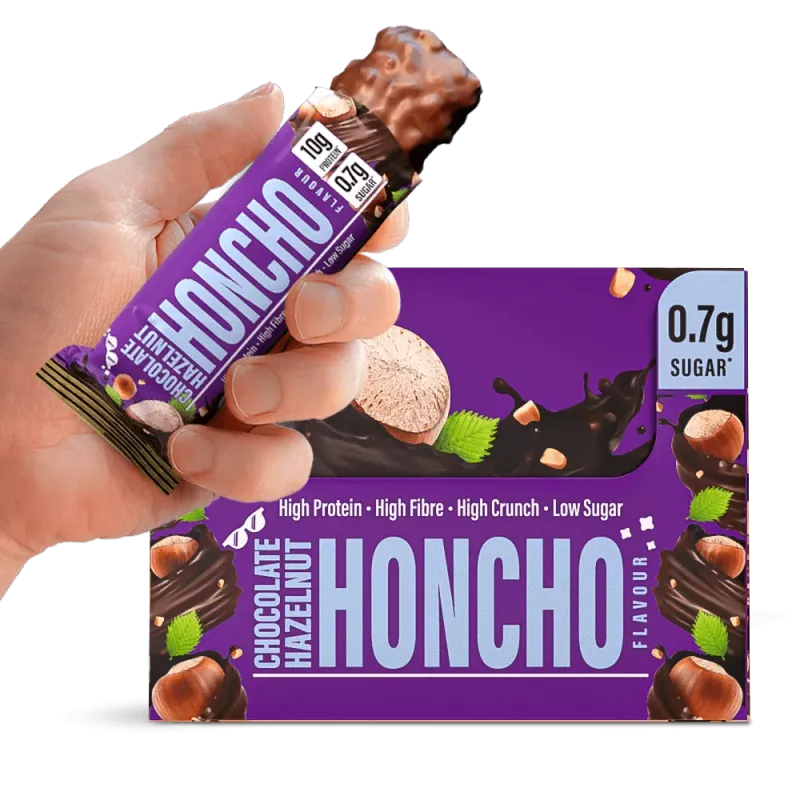
Our pick: best everyday snack bar
Protein Works The Big Little Bar
A 33g triple-layer bar with a low-sugar caramel layer and soya protein nuggets. The label gives 10g of protein, 0.9g of sugar and 105 kcal.
A 33g triple-layer bar with a low-sugar caramel layer and soya protein nuggets. The label gives 10g of protein, 0.9g of sugar and 105 kcal.
Pros
- + £1.00 a bar in a box of 20
- + 10g of protein and 0.9g of sugar in 105 kcal, the fewest calories in this guide
- + No palm oil: it uses shea oil, and no sucralose
- + 3.4g of fibre per bar
Cons
- – 10g of protein is half a useful serving
- – Sweetened with maltitol, which can upset some stomachs
- – Contains milk, soya and bovine collagen, so it isn't vegetarian
What should you eat on a long day out?
A bar is the easy option on a long hike or ride, but it is a snack to carry rather than a meal to plan around, so pack real food as well. Keep it out of a warm pocket and in a cooler part of the bag, because every bar here has a chocolate coating or layer that softens in heat.
None of the brands we cover sells a protein bar as heat stable, and we haven't tested any in the heat, so we can't promise one will hold up. Drink water with it, and count it as part of the day's plan rather than extra food on top.
Plan the bar into the route the way you plan water, so you are not hunting for a snack after a long effort. If the bar is one you have already tested on a rest day, it is a safer choice for the middle of a long day than a new flavour.
| Situation | Bar that fits | Why |
|---|---|---|
| Hungry before a session, no meal for several hours | Protein Works The Big Little Bar | 10g of protein in 105 kcal, a light top-up |
| After training, no meal or shake soon | Myprotein Layered Bar, Triple Chocolate Fudge | 20g of protein in one bar, one serving |
| Between meals at work | Protein Works The Big Little Bar | Small enough to fit between meals |
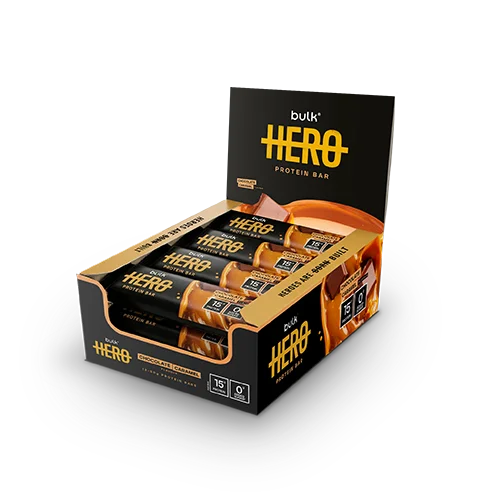
| Long day out, more protein needed | Bulk Hero Protein Bar | 15g of protein in 175 kcal, but 13g of polyols, so trial it first |
Protein and kcal per bar from each brand's nutrition panel, as used in our best protein bars in the UK guide. Polyol figure from the Bulk Hero label on bulk.com.
Is a protein bar a good choice in the evening?
A bar late in the day can help you reach the day's total when dinner was light, but it adds 105 to 212 kcal on top of your last meal, depending on the bar.
The Big Little Bar at 105 kcal is the lightest option in our guide, so it suits an evening snack when calories are tight. The Layered Bar gives the most protein per bar and suits a day that is short on protein.
Check the day's total before you reach for a bar, and skip it if you have already hit the figure you were aiming for.
Does timing matter more than your daily total?
For most people timing matters less than the daily total. The ISSN position stand puts protein for people who train at 1.4 to 2.0g per kg of body weight per day, and that figure is about the whole day rather than one meal.
For an 80kg gym-goer that is 112g to 160g a day. A 20g bar at lunch and a 20g serving after training still leaves most of that total to come from food, so the bars are a tool for the gaps rather than the plan itself.
Pick the timing that suits your routine and keeps you consistent, then check the daily total at the end of the week. If you find you are short on protein, add a serving rather than moving the one you already have.
Bars are easiest to fit when you decide the number in advance. One bar fits most training days, and two is about the most we would plan around before the polyol load starts to matter. For how the sweeteners add up across a day, see can you eat protein bars every day.
Reading the label is the other half of planning. Our guide to reading a protein bar label shows how to check protein per calorie, the high protein claim and the polyols line before you buy. If you are weighing a bar against a shake for the same job, our protein bar or protein shake comparison works through the cost per 10g.
The choice of which bar to buy is the one the pillar answers. Our best protein bars in the UK guide ranks the Myprotein, Protein Works and Bulk bars on protein, sugar, sweeteners and price, so use it once you know when you want a bar.
Frequently asked questions
Should I eat a protein bar before or after the gym?
Either works, as long as the bar gives you a 20g serving at a time you can keep to. Total daily protein matters more than the exact hour.
Can I eat a protein bar before training on an empty stomach?
Bars with maltitol or added fibre can upset some stomachs, especially during hard exercise. Try one on a rest day before you rely on it before a session.
How many protein bars a day should I eat for muscle?
The ISSN position stand puts protein for people who train at 1.4 to 2.0g per kg of body weight per day, from all foods combined. Bars are one way to fill the gap, but the total across the day matters more than the number of bars.
Is a protein bar good after a run?
Yes, if it fits the rest of the day. A 20g bar is one serving, and a 10g bar such as the Big Little Bar is about half of one, so choose the size that matches the protein you still need.