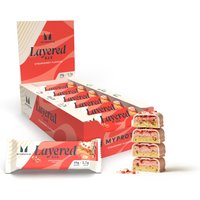
No sweeteners or palm oil
Myprotein
Layered Protein Bar
Choose the Hotel Chocolat Salted Caramel flavour: its ingredient list has no maltitol, no intense sweetener and no palm oil.
Buy Layered Protein Bar →Direct from Myproteinor buy on Amazon →Why protein bars taste artificial and cause bloating: maltitol, sucralose, polydextrose, chicory fibre, IMO and collagen explained, plus which Myprotein, Protein Works and Bulk bars skip sweeteners, palm oil and seed oils. Ingredient lists checked on 3 October 2026.
Kevin, founder of WheyWise
No sweeteners or palm oil
Myprotein
Choose the Hotel Chocolat Salted Caramel flavour: its ingredient list has no maltitol, no intense sweetener and no palm oil.
Buy Layered Protein Bar →Direct from Myproteinor buy on Amazon →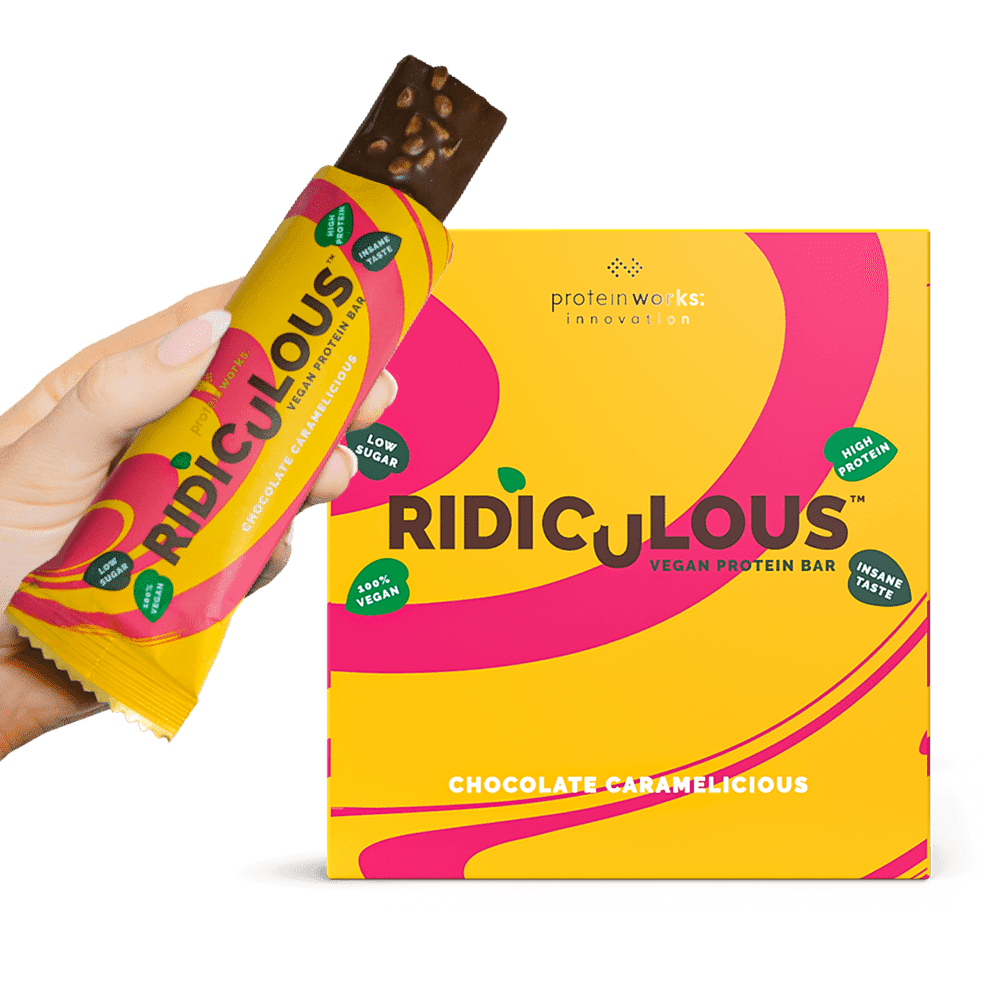
Vegan, palm oil free
Protein Works
Only natural sweeteners and no palm oil, according to Protein Works.
Buy Ridiculous Vegan Protein Bar →Direct from Protein Worksor buy on Amazon →Quick answer
Protein bars taste artificial mostly because of what replaces the sugar: polyols such as maltitol, often with an intense sweetener such as sucralose. Bulk Hero Protein Bar lists 13g of polyols in a 50g bar, and polyols are also the usual reason bars cause wind and bloating, which is why UK law makes any food with more than 10% added polyols carry the warning “excessive consumption may produce laxative effects”. If you want a bar without them, buy the Myprotein Layered Bar in Hotel Chocolat Salted Caramel: it has no maltitol, no intense sweetener and no palm oil, with 18g of protein in 236 kcal, though it carries 6.8g of sugar. It costs £20.49 for 12 on myprotein.com, or £1.71 a bar, checked 3 October 2026. If you're vegan, Protein Works says its Ridiculous Vegan Protein Bar uses only natural sweeteners and no palm oil.
If your protein bar tastes artificial or leaves you bloated, the ingredient list usually tells you why. Seven of the nine Myprotein and Bulk bars we checked replace sugar with maltitol, two add sucralose, and most keep themselves soft with glycerol. This guide explains what each of those ingredients does, which ones are linked to aftertaste or bloating, and which Myprotein, Protein Works and Bulk bars avoid them. We read every Myprotein and Bulk ingredient list on the brand's own website on 3 October 2026; for Protein Works we could only use the claims in its product descriptions. For prices and the overall ranking, see the best protein bars in the UK.
The artificial taste usually comes from the sugar replacements: seven of the nine Myprotein and Bulk bars we checked use maltitol, and the Myprotein Layered Bar in Gingerbread uses three sweeteners, maltitol, isomalt and sucralose, checked 3 October 2026. Bulk Hero pairs maltitol with sucralose. Intense sweeteners are used in tiny amounts and can leave an aftertaste. For acesulfame K the mechanism is known: Kuhn et al., 2004 showed that acesulfame K and saccharin activate two human bitter taste receptors, TAS2R43 and TAS2R44, at concentrations known to taste bitter. None of the bars in this guide lists either one.
The rest is texture. Bars replace the bulk of sugar with glycerol (listed as a humectant, which keeps the bar soft), maltitol and fibres such as chicory root fibre and oligofructose, so the bar is built from different ingredients to a chocolate bar even when it looks like one. Protein bars are also prone to going hard as they age: in Zhou et al., 2013, Maillard reactions between protein and reducing sugars hardened model protein bars in storage, and replacing those sugars with sugar alcohols kept the texture steadier, which helps explain why sugar alcohols are so common in bars.
| Bar | Intense sweetener | Maltitol or other polyol sweetener | Polyols declared | Palm oil | Seed oil | Collagen or gelatin |
|---|---|---|---|---|---|---|
| Myprotein Layered Bar, Triple Chocolate Fudge | None | Maltitol | Not declared | Yes | Rapeseed | Beef gelatin |
| Myprotein Layered Bar, Gingerbread | Sucralose | Maltitol, isomalt | 5.0g | Yes | Rapeseed | Collagen |
| Myprotein Layered Bar, Hotel Chocolat Salted Caramel | None | None | Not declared | No | Rapeseed, sunflower | Collagen |
| Myprotein Impact Bar, Fudge Brownie | None | Maltitol | Not declared | No | Rapeseed | None |
| Myprotein Impact Bar, Caramel Nut | None | Maltitol | Not declared | Yes | Rapeseed | Beef gelatin |
| Myprotein Soft Protein Bar, Hazelnut Wafer | None | Maltitol | Not declared | Yes | Rapeseed | None |
| Myprotein Crispy Protein Wafer, Chocolate | None | None | Not declared | Yes | Sunflower | Beef gelatine |
| Myprotein Peanut Butter Protein Bar (8.0g protein) | None | Maltitol | Not declared | Yes | None | None |
| Bulk Hero Protein Bar | Sucralose | Maltitol | 13g | Yes | Rapeseed | Collagen |
| Protein Works Ridiculous Vegan Protein Bar* | “Only natural sweeteners” | Not published | Not published | No | Not published | None (plant based) |
| Protein Works The Big Little Bar | None | Maltitol | Not declared | No (shea oil) | None | Collagen |
Read from each ingredient list on myprotein.com, bulk.com and theproteinworks.com on 3 October 2026 (Big Little Bar: Chocolate Brownie Boogie and Chocolate Hazelnut Honcho). *Protein Works' own claims from its product description; we couldn't read the Ridiculous Vegan Bar's ingredient list. “Seed oil” means a refined oil such as sunflower or rapeseed oil; lecithin emulsifiers are not counted. “Polyols declared” is the figure on the nutrition panel, where the brand gives one. Gelatin is made from collagen.
Two Myprotein bars we checked have no sweetener of any kind: the Crispy Protein Wafer in Chocolate, with 15g of protein in 195 kcal sweetened by sugar and fructose, and the Layered Bar in Hotel Chocolat Salted Caramel, with 18g of protein in 236 kcal, checked 3 October 2026. The cost is sugar: 5.5g and 6.8g per bar, against 1.9g in the maltitol-sweetened Layered Bar in Triple Chocolate Fudge. Protein Works says its Ridiculous Vegan Protein Bar uses “only natural sweeteners”, though its product description doesn't say which.
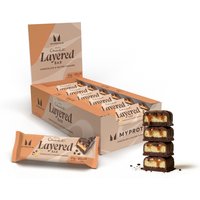
No maltitol, no sucralose, no palm oil
The Layered Bar made with Hotel Chocolat, built on corn fibre, milk protein and 72% couverture chocolate rather than maltitol. £20.49 for 12 on myprotein.com, checked 3 October 2026.
The Layered Bar made with Hotel Chocolat, built on corn fibre, milk protein and 72% couverture chocolate rather than maltitol. £20.49 for 12 on myprotein.com, checked 3 October 2026.
Pros
Cons
Most other Myprotein bars skip intense sweeteners but use maltitol: the Layered Bar in Triple Chocolate Fudge, every Impact Bar flavour we read and the Soft Protein Bar list maltitol as their only sweetener. Maltitol is a polyol rather than an intense sweetener; the WHO's 2023 guideline on non-sugar sweeteners explicitly leaves polyols out because they contain calories. Sucralose (E955) is an approved food additive in the UK, so avoiding it is a matter of taste and preference rather than safety. The same logic applies to powders, which we cover in protein powder without artificial sweeteners.
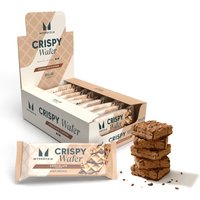
No sweeteners at all
A chocolate-filled wafer with a dark chocolate coating and a milk protein and beef gelatine blend. £16.49 for 10 on myprotein.com, checked 3 October 2026.
A chocolate-filled wafer with a dark chocolate coating and a milk protein and beef gelatine blend. £16.49 for 10 on myprotein.com, checked 3 October 2026.
Pros
Cons
Two of the bars we checked are free from both: the Myprotein Crispy Protein Wafer in Chocolate (15g of protein, 195 kcal) and the Myprotein Layered Bar in Hotel Chocolat Salted Caramel (18g of protein, 236 kcal), checked 3 October 2026. Every Myprotein and Bulk bar we checked with 16g of protein or more uses maltitol, apart from that Hotel Chocolat Layered flavour. Check each flavour, because the recipe changes within one bar: the Layered Bar in Triple Chocolate Fudge has no sucralose, but Gingerbread, White Gold and Strawberry all list it.
Bulk Hero uses both maltitol and sucralose, and so does the Layered Bar in Gingerbread, which adds isomalt, another polyol, in its white chocolate flavour coating.
Polyols are the most common reason: Bulk Hero Protein Bar lists 13g of polyols in a 50g bar, or 26g per 100g, checked 3 October 2026, and polyols are only partly absorbed, so the rest is fermented in the gut. A systematic review of 79 studies (Lenhart and Chey, 2017) found polyols cause dose-dependent flatulence, abdominal discomfort and laxative effects in both healthy people and people with IBS. That is why UK food labelling law, Annex III of Regulation 1169/2011, makes any food with more than 10% added polyols carry the words “excessive consumption may produce laxative effects”. Bulk prints it on the Hero bar, and Myprotein prints it on the Layered Triple Chocolate Fudge and Impact pages.
The dose is what matters. In a double-blind trial in 20 young adults, Storey et al., 1998 found 30g of maltitol in chocolate caused no significant symptoms, while 40g caused mild rumbling and wind, though not more laxation. In Ruskoné-Fourmestraux et al., 2003, diarrhoea appeared only at very high daily doses, around 92g of maltitol on average. Bulk suggests one or two Hero bars a day, which adds up to 26g of polyols, and that figure includes glycerol, which counts as a polyol under the UK definition, so not all of it is maltitol. The Myprotein Layered Bar in Gingerbread declares 5.0g of polyols per bar. One bar is unlikely to trouble most people; two or three in a day might.
Added fibres are the second cause. In Bonnema et al., 2010, 10g of oligofructose substantially increased gut symptoms, mostly wind and then bloating, while up to 5g of oligofructose and 10g of native inulin were well tolerated. Oligofructose is in most Myprotein Layered flavours, every Impact flavour we read, the Soft Protein Bar and Bulk Hero, and the Layered Triple Chocolate Fudge and Peanut Butter Protein Bar add chicory root fibre. The Impact Bar in Fudge Brownie lists oligofructose second and has 8.6g of fibre per bar. Polydextrose, used in Bulk Hero and the Soft Protein Bar, is gentler: a review of nine tolerance studies (Flood et al., 2004) found it better tolerated than polyols, with a laxative threshold of about 50g in a single dose. If whey shakes bloat you too, the cause there is more often lactose, which our best protein powder for sensitive stomachs guide covers.
Read the ingredient list for eight ingredients: sucralose, maltitol (and other polyols such as isomalt), glycerol, polydextrose, isomalto-oligosaccharides, chicory fibre or oligofructose, collagen or gelatin, and the fat source. On the nutrition panel, check the polyols line, because UK rules exclude polyols from “sugars”: Bulk Hero shows 1.4g of sugar and 13g of polyols on the same panel, checked 3 October 2026. Polyols also carry fewer calories, 2.4 kcal per gram against 4 for other carbohydrates, under Annex XIV of Regulation 1169/2011.
| Ingredient | What it does | Why it can taste artificial or cause bloating | Bars that avoid it (checked 3 Oct 2026) |
|---|---|---|---|
| Sucralose (E955) | Intense sweetener, used in tiny amounts | Can leave an aftertaste | Myprotein Layered Triple Chocolate Fudge and Hotel Chocolat Salted Caramel, Impact Fudge Brownie and Caramel Nut, Soft Protein Bar, Crispy Protein Wafer, Peanut Butter Protein Bar |
| Maltitol, isomalt | Polyols that replace sugar in bulk and in the chocolate coating | Partly absorbed, so they ferment: dose-dependent wind and laxative effect (Lenhart and Chey 2017) | Myprotein Layered Hotel Chocolat Salted Caramel, Crispy Protein Wafer |
| Glycerol | Humectant that keeps the bar soft | Not a taste issue in itself, but it counts on the polyols line under the UK definition, so it inflates that figure | Myprotein Crispy Protein Wafer, Peanut Butter Protein Bar |
| Polydextrose | Bulking agent and fibre | Better tolerated than polyols; laxative threshold about 50g in one dose (Flood 2004) | Every Myprotein Layered and Impact flavour we read, Crispy Protein Wafer, Peanut Butter Protein Bar |
| Isomalto-oligosaccharides (IMO) | Sweet carbohydrate syrup | Behaved like a digestible carbohydrate, with a blood glucose response no different from dextrose (Gourineni 2018, industry-funded) | Every Myprotein and Bulk bar we read except the Layered Gingerbread, White Gold and Strawberry flavours |
| Chicory fibre, inulin, oligofructose | Fibre that adds bulk and some sweetness | Ferments in the gut; 10g of oligofructose increased wind and bloating (Bonnema 2010) | Myprotein Layered Hotel Chocolat Salted Caramel, Crispy Protein Wafer |
| Hydrolysed collagen or gelatin | Adds to the protein total | Not a taste or bloating issue, but an incomplete protein with no tryptophan (Paul 2019) | Myprotein Impact Fudge Brownie, Soft Protein Bar, Peanut Butter Protein Bar; Protein Works Ridiculous Vegan (plant based) |
| Palm oil, palm kernel oil | Solid fat for the coating and texture | Not a taste or bloating issue; high in saturated fat (NHS) | Myprotein Impact Fudge Brownie, Layered Hotel Chocolat Salted Caramel; Protein Works Ridiculous Vegan (its claim) |
| Sunflower or rapeseed oil | Liquid fat for a softer texture | Not a taste or bloating issue; no evidence it raises inflammation (Johnson and Fritsche 2012) | Myprotein Peanut Butter Protein Bar |
Ingredient lists read on myprotein.com and bulk.com on 3 October 2026; Protein Works entries are its own claims. The Myprotein Layered Bar in Gingerbread lists isomalto-oligosaccharides second, labelled “a source of glucose”, and White Gold and Strawberry list them first. The IMO study, Gourineni et al., 2018, was written by employees of an IMO supplier.
Collagen and gelatin lower the quality of a bar's protein rather than its taste: collagen protein lacks tryptophan, one of the indispensable amino acids, so it is classed as an incomplete protein (Paul et al., 2019), and gelatin is made from collagen. Hydrolysed beef gelatin is the fourth ingredient in the Myprotein Layered Bar in Triple Chocolate Fudge, and Bulk Hero's protein blend includes hydrolysed bovine collagen, checked 3 October 2026. Neither brand says how much of the protein figure it supplies.
In practice the effect is small if the rest of your diet carries complete protein, and the same paper calculated that collagen could make up as much as 36% of daily protein while still meeting indispensable amino acid needs. It does mean a 20g bar with gelatin is not the same as 20g of whey. If you want to avoid it, the Myprotein Impact Bar in Fudge Brownie, the Soft Protein Bar and the Peanut Butter Protein Bar list none, and the plant-based Protein Works Ridiculous Vegan Bar can't contain any. If you want collagen for its own sake, see the best collagen UK guide.
Yes: the Myprotein Impact Bar in Fudge Brownie uses shea fat, cocoa butter and rapeseed oil instead, the Myprotein Layered Bar in Hotel Chocolat Salted Caramel has no palm oil in its list, and Protein Works says its Ridiculous Vegan Protein Bar is “purposefully palm oil free”, checked 3 October 2026. The other Myprotein bars we read and Bulk Hero use palm oil or palm kernel oil, and it changes by flavour: the Impact Bar in Caramel Nut has both.
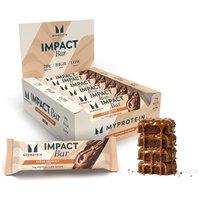
No palm oil, no gelatin, no sucralose
Myprotein's triple-layer caramel bar in its palm-free Fudge Brownie recipe: 20g of protein in 233 kcal, marked suitable for vegetarians. £19.49 for 12 on myprotein.com, checked 3 October 2026.
Myprotein's triple-layer caramel bar in its palm-free Fudge Brownie recipe: 20g of protein in 233 kcal, marked suitable for vegetarians. £19.49 for 12 on myprotein.com, checked 3 October 2026.
Pros
Cons
The nutrition reason people give for avoiding palm oil is saturated fat. The NHS lists palm oil, coconut oil and chocolate confectionery among foods high in saturated fat, and sets daily limits of 30g for men and 20g for women. The palm-free Impact Fudge Brownie still has 3.8g of saturated fat, because cocoa butter, shea and milk add it too, while the Crispy Protein Wafer, with palm oil, has 6.0g. Others avoid palm oil for environmental reasons, which is a values choice rather than a nutrition one.
Palm oil free and plant based
Protein Works' vegan bar: biscuit dough, nuts and caramel in plant-based chocolate. Protein Works says it has 15g of protein in under 200 kcal. From £11.99 for 9 on theproteinworks.com, checked 3 October 2026.
Protein Works' vegan bar: biscuit dough, nuts and caramel in plant-based chocolate. Protein Works says it has 15g of protein in under 200 kcal. From £11.99 for 9 on theproteinworks.com, checked 3 October 2026.
Pros
Cons
Only one of the Myprotein and Bulk bars we checked uses no seed oil: the Myprotein Peanut Butter Protein Bar, made with shea, coconut, palm and palm kernel oils, which has just 8.0g of protein, checked 3 October 2026. Every other bar uses rapeseed or sunflower oil, including the palm-free Impact Fudge Brownie and Hotel Chocolat Layered Bar. Notice the trade-off: the one bar without seed oil swaps it for palm and coconut fat, both of which the NHS lists as high in saturated fat, and it carries 4.9g per 38g bar. Protein Works doesn't say which oils its bars use.
The evidence doesn't back the seed oil scare. A systematic review of 15 randomised controlled trials (Johnson and Fritsche, 2012) found virtually no evidence that adding linoleic acid, the omega-6 fat behind the seed oil worry, raises inflammatory markers such as C-reactive protein in healthy people. The NHS advises replacing saturated fats with unsaturated ones and names rapeseed, corn and sunflower oils as sources of polyunsaturated fat. A bar with a little rapeseed oil is not a reason for concern.
Buy the Myprotein Layered Bar in Hotel Chocolat Salted Caramel if you want no maltitol, no intense sweetener and no palm oil: 18g of protein in 236 kcal for £1.71 a bar, checked 3 October 2026, with 6.8g of sugar as the trade-off. Buy the Myprotein Impact Bar in Fudge Brownie if maltitol doesn't bother you but you want no sucralose, no palm oil and no gelatin. Buy the Protein Works Ridiculous Vegan Protein Bar if you're vegan.
Skip the clean-label route if calories matter more than the ingredient list: Protein Works The Big Little Bar gives 10g of protein in 105 kcal with 0.9g of sugar, sweetened with maltitol but with no sucralose and no palm oil, and Bulk Hero gives 15g of protein in 175 kcal at the cost of sucralose, palm oil and 13g of polyols. For the full ranking with prices, read the best protein bars in the UK, and for clean-label powders, see the cleanest protein powder UK guide.
Usually because of the ingredients that replace the sugar. Seven of the nine Myprotein and Bulk bars we checked use maltitol, a polyol, and some add an intense sweetener: the Myprotein Layered Bar in Gingerbread combines maltitol, isomalt and sucralose, and Bulk Hero uses maltitol and sucralose, checked 3 October 2026. Glycerol, used to keep bars soft, and added fibres also change the texture compared with a chocolate bar.
Two Myprotein bars we checked on 3 October 2026 have no sweetener at all: the Crispy Protein Wafer in Chocolate (15g protein, sweetened with sugar and fructose) and the Layered Bar in Hotel Chocolat Salted Caramel (18g protein). Both carry more sugar as a result, 5.5g and 6.8g per bar. Protein Works says its Ridiculous Vegan Protein Bar uses only natural sweeteners, but doesn't name them.
The Myprotein Crispy Protein Wafer in Chocolate and the Myprotein Layered Bar in Hotel Chocolat Salted Caramel contain neither, checked 3 October 2026. The Layered Bar in Triple Chocolate Fudge, the Impact Bar and the Soft Protein Bar skip sucralose but use maltitol. Bulk Hero and the Layered Bar in Gingerbread use both.
Most often because of polyols such as maltitol, which are only partly absorbed and are fermented in the gut. A systematic review found polyols cause dose-dependent wind, abdominal discomfort and laxative effects, and in one trial 40g of maltitol in chocolate caused mild rumbling and wind where 30g did not. Bulk Hero Protein Bar lists 13g of polyols per bar, so two bars a day add up to 26g. Added fibres such as chicory root fibre and oligofructose can bloat too.
Yes. The Myprotein Impact Bar in Fudge Brownie and the Myprotein Layered Bar in Hotel Chocolat Salted Caramel have no palm oil in their ingredient lists, checked 3 October 2026, and Protein Works says its Ridiculous Vegan Protein Bar is palm oil free. The other Myprotein bars we checked and Bulk Hero use palm oil or palm kernel oil, and recipes change by flavour: the Impact Bar in Caramel Nut has palm oil.
Of the Myprotein and Bulk bars we checked on 3 October 2026, only the Myprotein Peanut Butter Protein Bar has no sunflower or rapeseed oil; it uses shea, coconut, palm and palm kernel oils instead, and has just 8.0g of protein. Every other bar uses rapeseed or sunflower oil. The evidence doesn't support avoiding seed oils: a review of 15 randomised trials found no rise in inflammatory markers from linoleic acid.
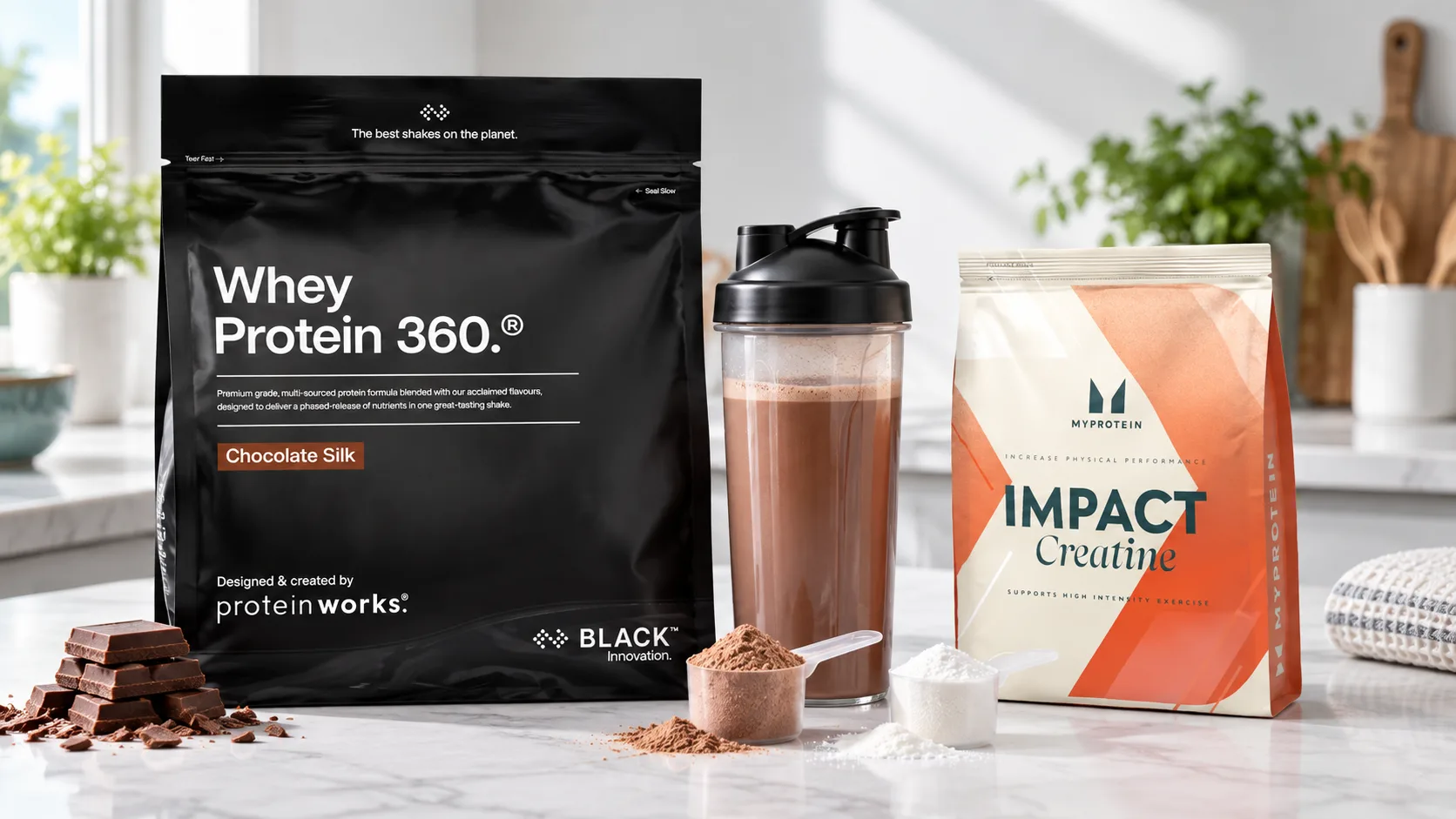
Can You Mix Creatine With Protein Powder? Cost Per Day
Whether creatine and protein powder can go in the same shake, what the research says about taking them together, when to drink it, and what the combination costs per day, checked September 2026.
6 min read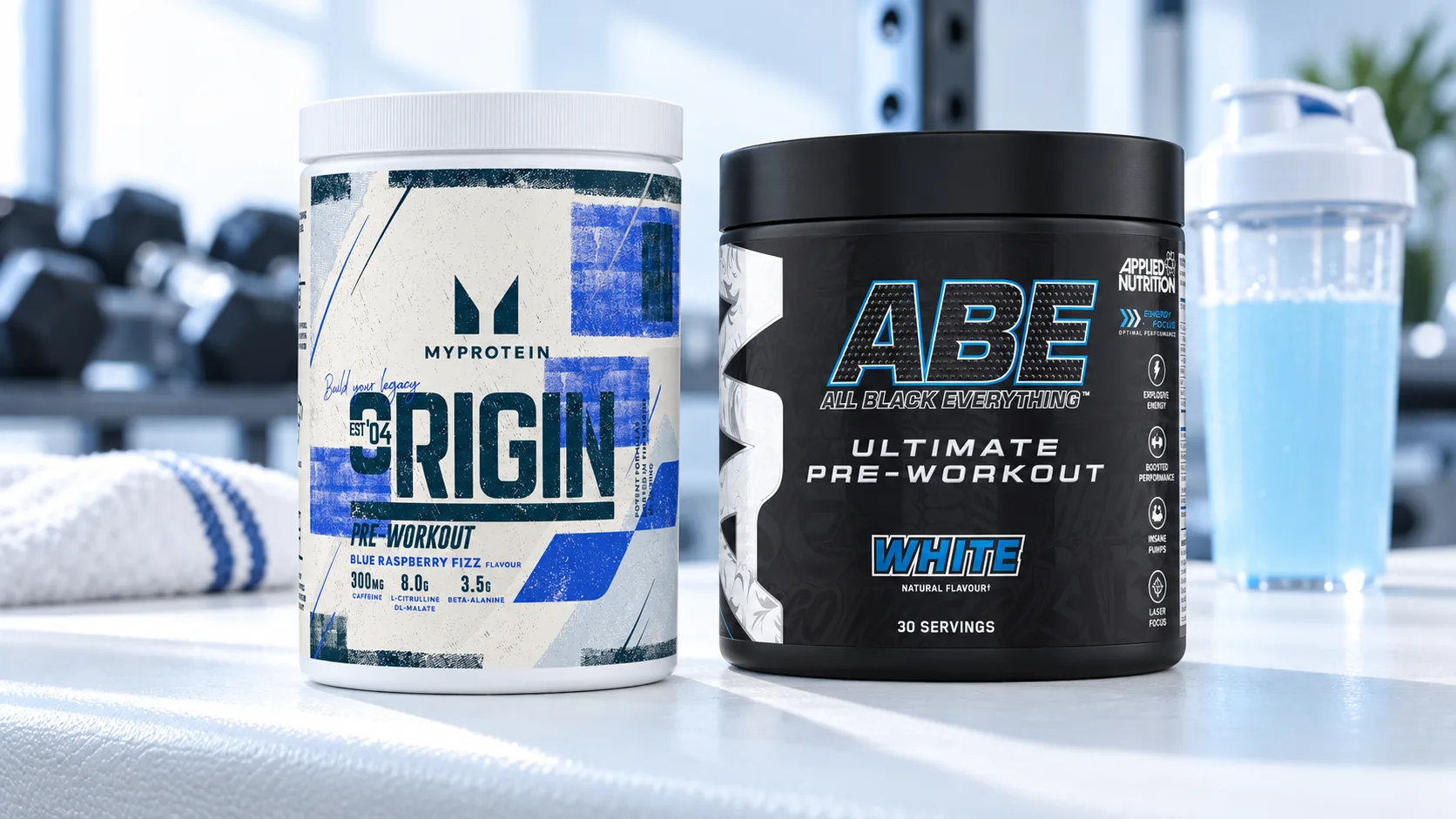
What Is in Pre-Workout, and What Does It Cost?
The ingredients in a typical UK pre-workout, what the evidence says caffeine, citrulline and beta-alanine do, when to take it, and the price per serving of Applied Nutrition ABE and Myprotein Origin, checked September 2026.
7 min read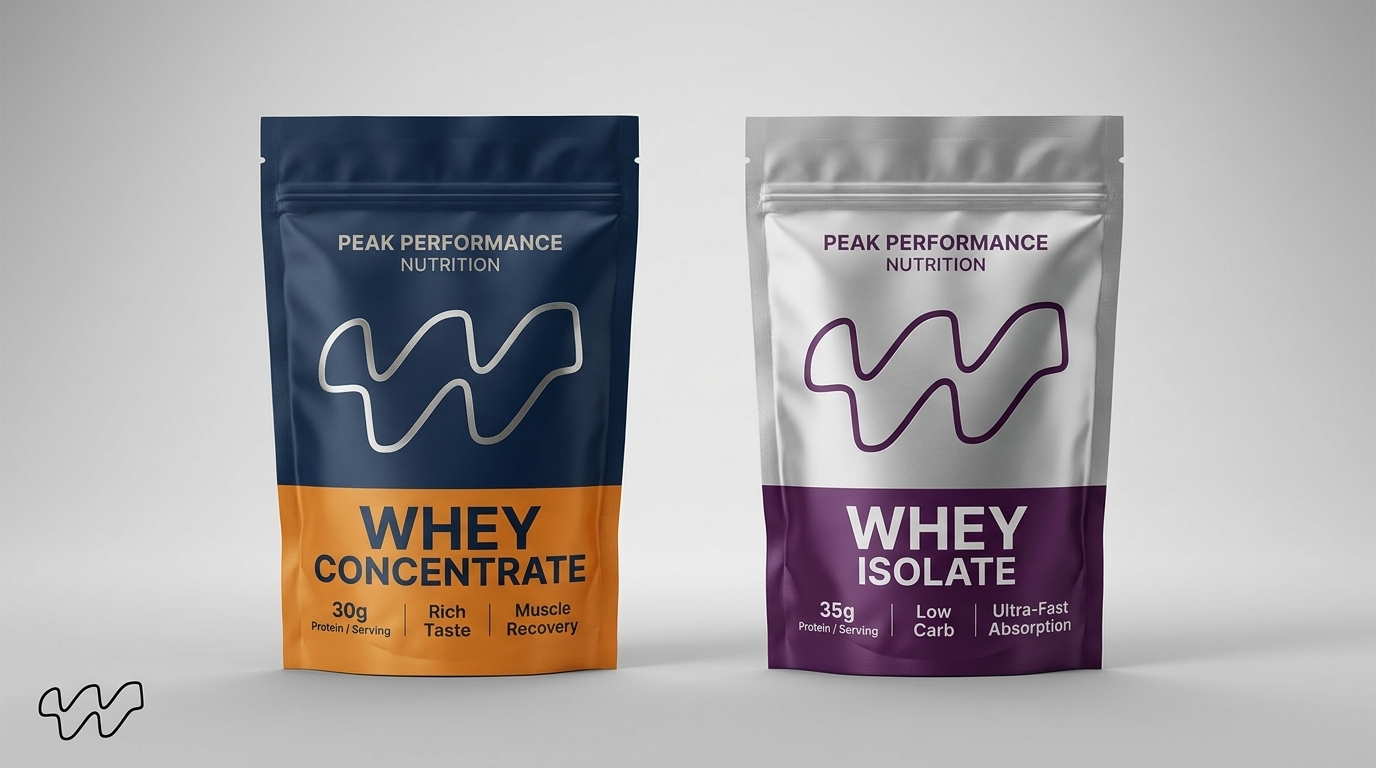
Vegan Protein vs Whey: What the Evidence Actually Says
Soy actually outscores whey on the modern protein-quality metric, pea and rice do not, and at the budget end of the UK market plant now costs less per gram of protein. A head to head on the evidence rather than the marketing.
9 min readFind your cheapest protein
714 products compared from 180 brands
Sorted by best value per 25g of protein.
Compare all products