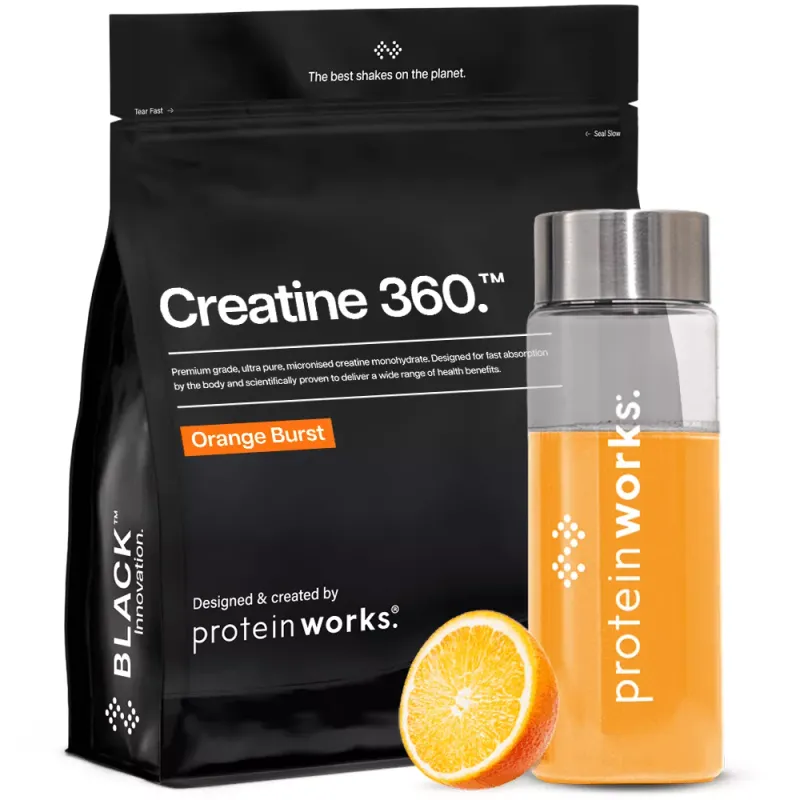
The one to add first
Protein Works
Creatine Monohydrate
500g bag
Buy Creatine Monohydrate →Direct from Protein WorksGet 12% off your order
What a new gym-goer should take alongside protein powder, which supplements are a waste of money, how much protein a beginner needs, and what the evidence says about kidneys and acne, with UK prices checked October 2026.
Kevin, founder of WheyWise
The one to add first
Protein Works
500g bag
Buy Creatine Monohydrate →Direct from Protein Works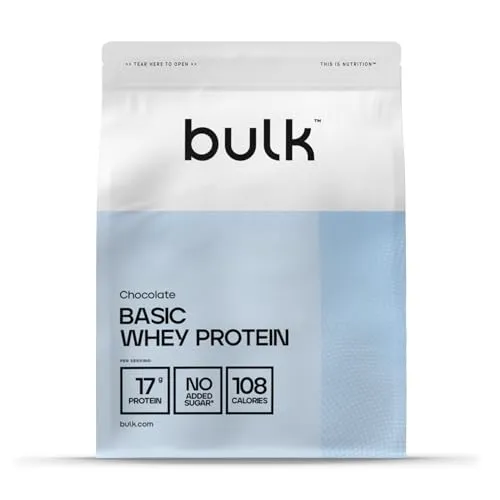
Cheap first protein, check the label
Bulk
1.25kg bag
Buy Basic Whey Protein →Live price across UK retailersSee all UK alternatives in the live comparison table →Quick answer
Alongside protein powder, the one thing worth buying when you start the gym is creatine monohydrate. Take 3g to 5g every day, and Protein Works Creatine Monohydrate works out at about 10p a day from the 1kg bag at £19.99. The International Society of Sports Nutrition calls it the most effective ergogenic supplement available, and a 2025 review of 61 trials found beginners gained from it as well as experienced lifters. Leave BCAAs and mass gainers on the shelf: whey already contains the BCAAs, and Optimum Nutrition Serious Mass costs £2.14 per 25g of protein against 59p for Bulk Basic Whey Protein. WheyWise checked every price in this guide at UK retailers.
This guide answers the questions most people have in their first months of training: what to take alongside protein powder, which supplements are worth the money, and whether protein powder is safe. Every price was checked at UK retailers, and every health claim links to the study or position stand it comes from.
Creatine monohydrate, at 3g to 5g a day, is the one supplement worth adding in your first months, and it costs 10p to 16p a day at UK retailers. Everything else on the shelf is either optional, like caffeine, or a weaker version of what protein powder and ordinary food already give you.
The International Society of Sports Nutrition position stand on creatine calls creatine monohydrate “the most effective ergogenic nutritional supplement currently available to athletes” for increasing high-intensity exercise capacity and lean body mass during training (Kreider et al., 2017). No other supplement has that level of support behind it.
A sensible first month is a small bag of whey in chocolate or vanilla, so you can find out whether you like the flavour, plus a bag of plain creatine monohydrate. One 25g-protein shake a day of Bulk Basic Whey Protein from the 1.25kg bag (61p) plus 5g of Protein Works Creatine Monohydrate from the 1kg bag (10p) costs 71p a day, or £21.30 for 30 days. You can put the creatine in the same shake: our guide to mixing creatine with protein powder explains how.
The one to add first
500g bag
Straight creatine monohydrate at about 10p a day: the cheapest way to add the best-evidenced supplement to your first gym routine.
or compare all UK prices →The one to add first
Pros
Cons
Two are worth buying, protein powder if your food falls short and creatine monohydrate, and the rest can wait. Caffeine works but you do not need to buy it as a powder, BCAAs are a weaker version of the whey you may already have, and a mass gainer costs 3.6 times more per gram of protein than a basic whey.
| Supplement | Evidence strength | Dose | UK cost per day | Verdict |
|---|---|---|---|---|
| Creatine monohydrate | Strong | 3g to 5g a day | 10p to 16p | Buy |
| Whey protein powder | Strong, as a way to hit your protein total | 20g to 40g of protein a serving | 59p to £1.23 per 25g of protein | Buy if your meals fall short |
| Caffeine (pre-workout) | Strong for caffeine itself | 3 to 6mg per kg of bodyweight | 76.5p per 200mg serving | Optional |
| BCAAs | Weak | 5g to 5.6g in studies | 33p per 5g | Skip if you drink whey |
| Mass gainer | Calories only | 335g serving (1,260 kcal) | £4.28 a serving | Skip unless you cannot eat enough |
Creatine: Protein Works Creatine Monohydrate 1kg £19.99 to Myprotein Impact Creatine 500g £15.99. Whey: Bulk Basic Whey Protein 2.5kg £32.99 on Amazon, to Optimum Nutrition Gold Standard 100% Whey 4.53kg £170 on Amazon. Caffeine: Applied Nutrition ABE 375g £22.95 on Amazon (30 servings of 12.5g). BCAAs: Myprotein Impact BCAA 2:1:1 500g £32.99. Mass gainer: Optimum Nutrition Serious Mass 5.45kg £68.50 on Amazon (16 servings).
Caffeine is the active part of most pre-workouts, and the ISSN caffeine position stand says it consistently improves exercise performance at 3 to 6mg per kg of bodyweight (Guest et al., 2021). Applied Nutrition ABE contains 200mg of caffeine per 12.5g scoop and costs 76.5p a serving on Amazon. It is optional for a beginner, and it is the most likely supplement to affect your sleep if you train in the evening. Our guide to what is in pre-workout covers the ingredients and the Food Standards Agency's caffeine advice.
BCAAs are the clearest waste of money if you already drink whey. A 2017 review found no human study showing that BCAAs on their own produce an anabolic response (Wolfe, 2017). A trial the same year found 5.6g of BCAAs raised muscle protein synthesis after training by 22% over a placebo, which the authors note was about 50% less than whey protein with a similar BCAA content had produced in earlier research (Jackman et al., 2017). Myprotein Impact BCAA 2:1:1 costs 33p per 5g in the 500g bag.
Mass gainers are mostly carbohydrate. Optimum Nutrition Serious Mass gives 1,260 kcal, 50g of protein and 250g of carbohydrate per 335g serving, according to optimumnutrition.com. The 5.45kg bag holds 16 servings and cost £68.50 on Amazon, which is £4.28 a serving and £2.14 per 25g of protein. Bulk Basic Whey Protein costs 59p per 25g of protein, so if you want more calories, whey plus oats, milk or peanut butter costs far less and you control the ratio. If you are a genuine hard gainer, see the best mass gainer UK guide.
One supplement that is not a gym product but is worth knowing about in the UK: the NHS says everyone should consider a daily supplement containing 10 micrograms of vitamin D during autumn and winter (NHS).
You do not need it, but it is the best-value addition: a 2025 meta-analysis of 61 trials found creatine added 1.39kg of fat-free mass alongside resistance training, and novices gained 1.23kg against 1.82kg for experienced lifters, a difference that was not statistically significant (JISSN meta-analysis, 2025). Both groups gained compared with placebo.
That is a useful contrast with extra protein. The largest meta-analysis on protein supplementation, 49 studies and 1,863 participants, found it was more effective in people who were already resistance trained (Morton et al., 2018). In your first months almost any sensible training produces progress, so a protein shake adds less for you now than it will later, while creatine appears to help beginners too.
The ISSN says 3g to 5g a day fills your muscle creatine stores over 3 to 4 weeks. A loading phase of about 0.3g per kg a day for 5 to 7 days gets there faster, but it is optional. The only consistently reported side effect in the research is weight gain, and the ISSN found no compelling evidence of harm from creatine monohydrate in healthy people at up to 30g a day for 5 years (Kreider et al., 2017).
| Creatine monohydrate | Bag | Price | Cost per 5g a day |
|---|---|---|---|
| Protein Works Creatine Monohydrate | 1kg | £19.99 | 10p |
| Protein Works Creatine Monohydrate | 250g | £6.99 | 14p |
| Myprotein Impact Creatine | 1kg | £27.99 | 14p |
| Myprotein Impact Creatine | 500g | £15.99 | 16p |
Protein Works prices from its partner feed (matching Amazon UK for the 250g bag) and Myprotein prices from myprotein.com, as tracked by WheyWise, unflavoured where offered.
For the dose in more detail, read how much creatine per day. If you are wondering whether the branded Creapure version is worth paying for, see Creapure vs generic creatine monohydrate, and for every tub ranked by cost per 5g, the best creatine UK guide and the creatine price comparison.
One or two scoops, giving 20g to 50g of protein, is enough for most beginners, as a top-up towards a daily total of 1.4g to 2.0g of protein per kg of bodyweight from food and shakes combined. That range comes from the ISSN protein position stand, which also puts a single serving at 20g to 40g (Jäger et al., 2017). Morton and colleagues found no further gains in fat-free mass above about 1.62g per kg a day, which for an 80kg beginner is about 130g of protein a day.
Before you buy, track what you eat for a week. If your meals already get you close, you may need one scoop or none. Work out your own number with the protein calculator, and for scoop sizes and calories see how much protein powder to take per day. For when to drink it, read when to take protein powder.
A whey concentrate in a small first bag, in chocolate or vanilla, is the right first buy, and our best protein powder for beginners UK guide compares the options. Chocolate and vanilla are the most forgiving flavours in water and in milk, and a small bag means a flavour you dislike costs you £16.99 rather than £32.99.
Whatever you pick, read the protein per 100g and the ingredients before you buy, because cheap powders vary more than the front of the bag suggests. Bulk Basic Whey Protein, one of the cheapest from a big UK brand at 59p per 25g of protein in the 2.5kg bag at £32.99 on Amazon, lists 56g of protein per 100g (17g per 30g scoop) in chocolate and has soya protein isolate as its second ingredient, according to bulk.com. That makes it a whey and soya blend rather than a pure whey. Optimum Nutrition Gold Standard 100% Whey Double Rich Chocolate contains 76g of protein per 100g, 24g in a 31g scoop, and costs £1.23 per 25g of protein in the 4.53kg tub at £170 on Amazon.
| Protein powder | Protein per 100g | Bag and price | Cost per 25g of protein |
|---|---|---|---|
| Bulk Basic Whey Protein (whey and soya) | 56g | 2.5kg, £32.99 | 59p |
| Bulk Basic Whey Protein (whey and soya) | 56g | 1.25kg, £16.99 | 61p |
| Optimum Nutrition Gold Standard 100% Whey | 76g | 4.53kg, £170 | £1.23 |
| Optimum Nutrition Gold Standard 100% Whey | 76g | 2.27kg, £96.02 | £1.39 |
Bulk Basic Whey Protein label read on bulk.com (chocolate); prices on Amazon UK (2.5kg) and on bulk.com (1.25kg). Optimum Nutrition Gold Standard label on optimumnutrition.com (Double Rich Chocolate); price on Amazon UK.
Cheap first protein, check the label
1.25kg bag
The cheap way to find out whether you will drink a shake every day, as long as you know it is a whey and soya blend at 56g of protein per 100g.
or compare all UK prices →Cheap first protein, check the label
Pros
Cons
Protein makes up 56%
of this 30g scoop · 92 kcal total
If dairy is a problem, our vegan protein vs whey guide covers the plant options, and if whey makes you bloated, see the best protein powder for sensitive stomachs. To rank every whey by cost per 25g of protein, use the whey concentrate comparison, or answer a few questions in the protein finder.
No, not in healthy people, on current evidence: a 2018 meta-analysis of 28 trials and 1,358 adults without kidney disease found that higher-protein diets, of at least 1.5g per kg a day or 100g a day, did not adversely affect kidney function measured as glomerular filtration rate (Devries et al., 2018). Protein powder is just protein, so it counts towards the same daily total as the protein in your food.
Creatine gets the same question. The ISSN creatine position stand concludes there is no compelling evidence that creatine supplementation negatively affects kidney function in healthy people, while noting that some researchers suggest people with existing kidney disease speak to a doctor first (Kreider et al., 2017).
The evidence is limited and mostly observational, so the honest answer is that whey has not been shown to cause acne, though some studies link it with acne. The only randomised trial we found gave 25 of 49 men with mild to moderate acne 30g of whey a day for six months, and their acne was no worse than in the men taking a non-whey supplement (Sompochpruetikul et al., 2024).
Observational studies point the other way. A 2024 case-control study of 201 young men at gyms in Jordan found 47% of those with acne were taking whey, against 27.7% of those without (Muhaidat et al., 2024). A study like that shows an association, not that whey caused the spots, and a 2026 dermatology review describes the whey link as coming from observational studies, with few controlled trials (Dessinioti and Dreno, 2026).
| Question | Best evidence | What it found |
|---|---|---|
| Does high protein harm healthy kidneys? | Meta-analysis, 28 trials, 1,358 adults (2018) | No adverse effect on kidney function |
| Does creatine harm healthy kidneys? | ISSN position stand (2017) | No compelling evidence of harm |
| Does whey make acne worse? | Randomised trial, 49 men, 6 months (2024) | 30g a day was no worse than a non-whey supplement |
| Is whey linked with acne? | Case-control study, 201 men (2024) | 47% of men with acne took whey, against 27.7% without |
If you notice breakouts after starting whey, a practical test is to switch to a plant protein for a few weeks and see whether anything changes. For acne that is persistent or getting worse, speak to a pharmacist or your GP.
Buy whey protein if tracking your food for a week shows you are well short of about 1.6g of protein per kg of bodyweight, and start with a small bag. Add creatine monohydrate if you are training at least a few times a week and want the one supplement with strong evidence for about 10p a day.
Skip protein powder if your meals already get you to your target, because powder is a convenience, not something that builds muscle on its own. Skip BCAAs and mass gainers unless you genuinely cannot eat enough. And if you have kidney disease, talk to your GP before changing your protein intake or starting creatine. When you are ready to compare prices, the protein comparison tool puts any two products side by side.
Protein powder if your meals leave you short of your daily protein, and creatine monohydrate at 3g to 5g a day. Nothing else is needed to start. One 25g-protein shake of Bulk Basic Whey Protein from the 1.25kg bag plus 5g of Protein Works Creatine Monohydrate from the 1kg bag cost about 71p a day.
It is optional, but it is the best-value supplement for anyone training regularly. A 2025 meta-analysis of 61 trials found creatine added 1.39kg of fat-free mass alongside resistance training, with novices gaining 1.23kg against 1.82kg for experienced lifters, a difference that was not statistically significant. Take 3g to 5g a day, every day.
Not in healthy people, on current evidence. A 2018 meta-analysis of 28 trials and 1,358 adults without kidney disease found higher-protein diets did not adversely affect kidney function. If you have kidney disease or reduced kidney function, ask your GP or kidney team before raising your protein intake or starting creatine.
It has not been shown to. The only randomised trial, a 2024 study of 49 men with acne, found 30g of whey a day for six months left acne no worse than a non-whey supplement. Some observational studies link whey use with acne, but they cannot show cause. If you break out after starting whey, try a plant protein for a few weeks to see if it makes a difference.
No, not if you already drink whey or eat enough protein. A 2017 study found 5.6g of BCAAs raised muscle protein synthesis after training by 22% over a placebo, about 50% less than whey protein with a similar amount of BCAAs had produced in earlier work. Whey already contains the BCAAs. Myprotein Impact BCAA 2:1:1 costs 33p per 5g.
Only if you genuinely cannot eat enough food. Optimum Nutrition Serious Mass gives 1,260 kcal and 50g of protein per 335g serving and costs £4.28 a serving in the 5.45kg bag on Amazon. That is £2.14 per 25g of protein, against 59p for Bulk Basic Whey Protein, so whey plus ordinary food is far cheaper.
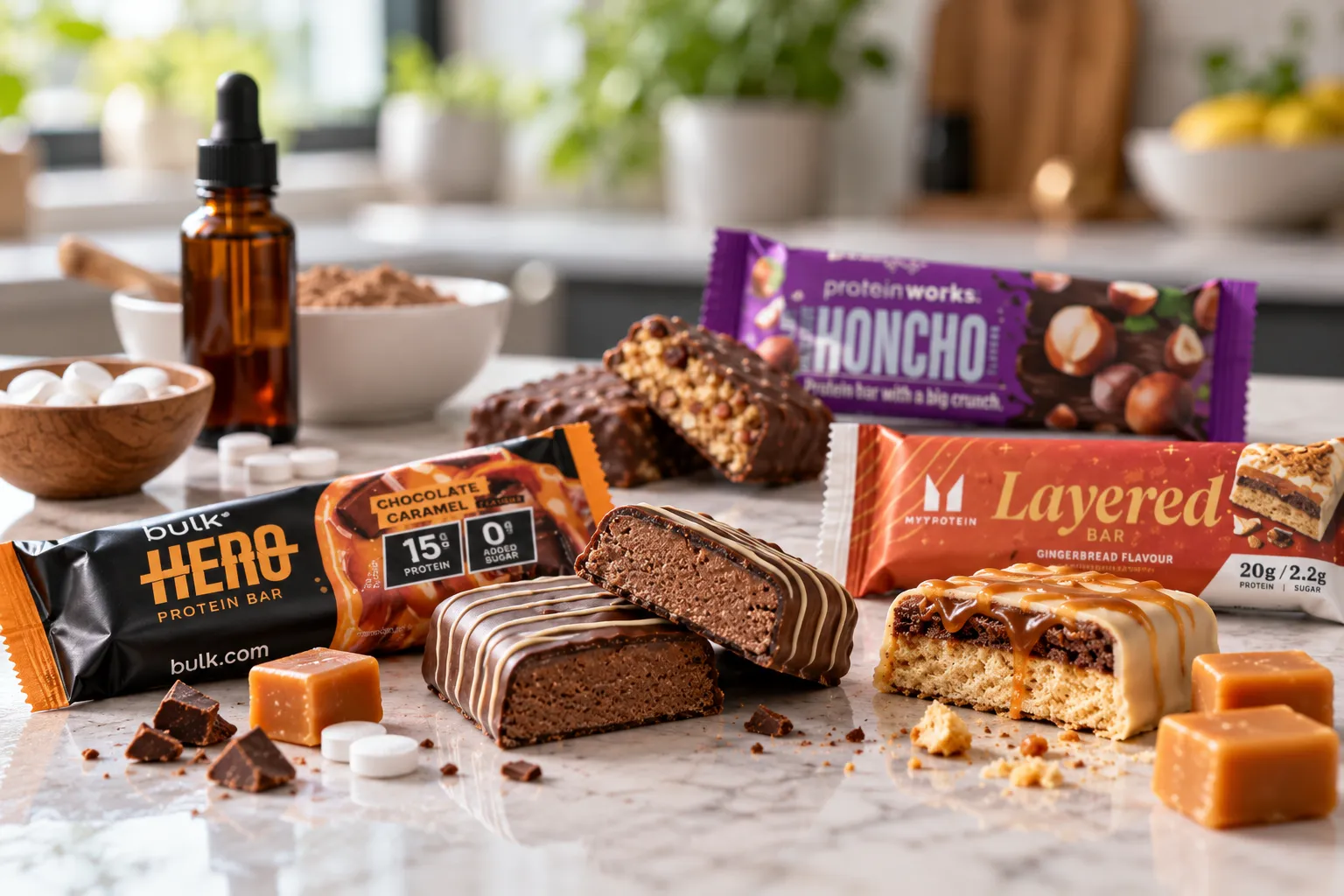
What Are the Best Protein Bars in the UK? (2026)
Myprotein, Protein Works and Bulk protein bars ranked on protein per calorie, sugar, sweeteners, palm oil and cost per 10g of protein, with Layered vs Impact, the best vegan bar and the best bar for weight loss. Prices and labels checked at source.
10 min read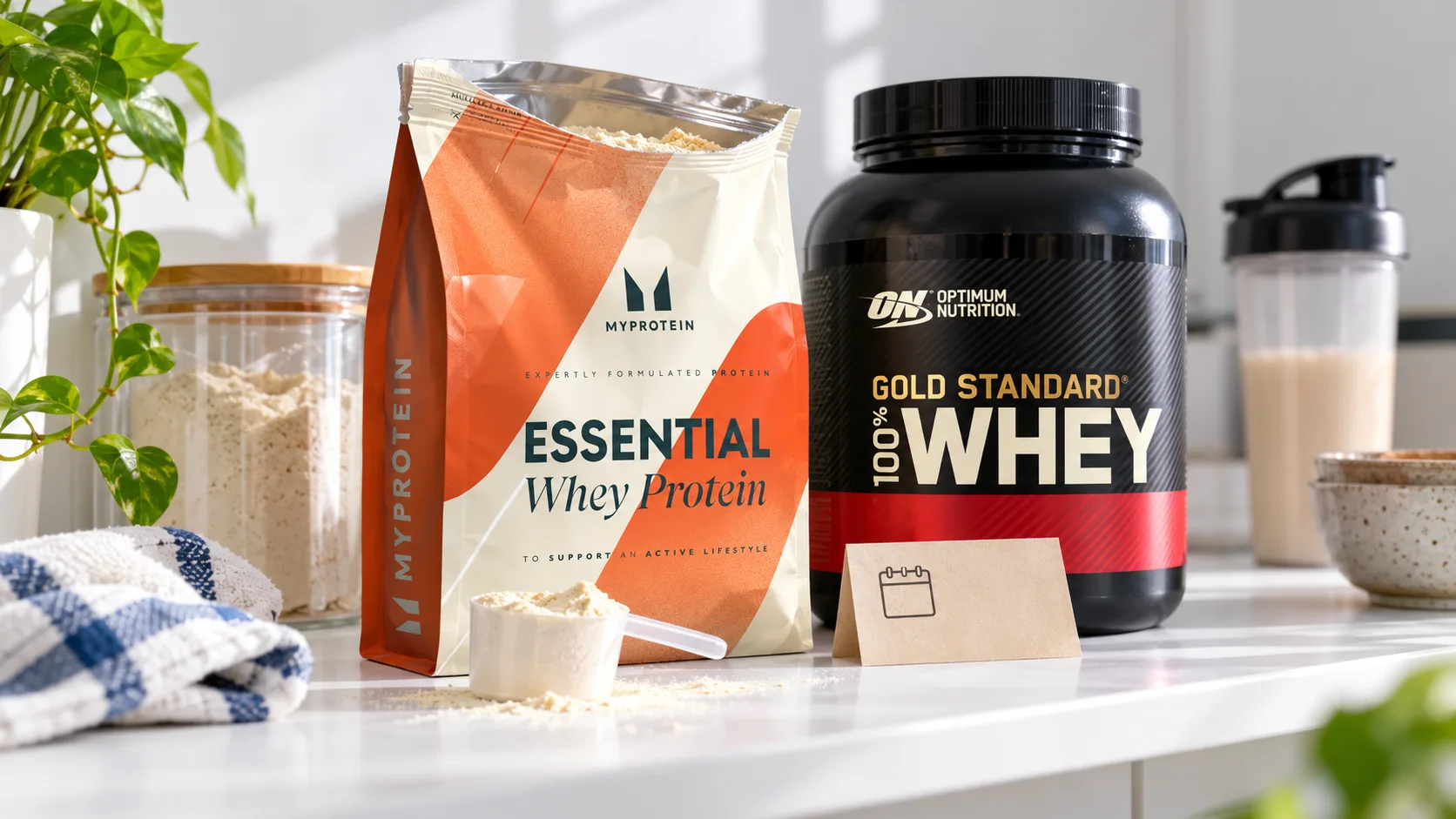
Does Protein Powder Expire? Shelf Life and Big Bag Value
What a best before date on protein powder means, how long whey lasts, the signs it has gone off, and how long a 5kg bag takes to finish, with bag-size prices per 25g of protein checked in September 2026.
6 min read
Protein Works Compare UK 2026: Every Range, Tier and Price
Protein Works sells almost everything in Black, Gold and Platinum. We checked every label and price in the range to find which tier is worth paying for, and what each one actually changes.
8 min readFind your cheapest protein
717 products compared from 180 brands
Sorted by best value per 25g of protein.
Compare all products