Creapure vs Generic Creatine Monohydrate: Is the Premium Worth It?
Creapure is purer than generic creatine monohydrate, but it does not build more strength or muscle, and it costs about double: the cheapest Creapure tub in WheyWise price data, Reflex Creapure Creatine 500g, costs 22p per 5g, against 10p for Protein Works Creatine Monohydrate.
Kevin, founder of WheyWise
Quick answer
For most lifters, skip Creapure and buy plain creatine monohydrate: the strength and muscle results are the same, and Creapure costs about double. Creapure is genuinely purer, at least 99.9% pure with under 20 mg/kg of DCD against EFSA's 50 mg/kg limit and no detectable DHT, but those figures come from its maker AlzChem; we found no published Eurofins study behind them. Reflex Creapure Creatine is the cheapest Creapure we track at 22p per 5g, against 10p for Protein Works Creatine Monohydrate. If you are drug-tested, buy an Informed Sport or Informed Choice tub, Creapure or not. WheyWise checked every price against UK retailer data.
Creapure is purer than generic creatine monohydrate, but it does not build more strength or muscle, and it costs about double. The cheapest Creapure tub in WheyWise price data, Reflex Creapure Creatine 500g, costs 22p per 5g, against 10p for Protein Works Creatine Monohydrate. Creapure is made by AlzChem Trostberg GmbH in Germany, and the premium is worth it for a narrow set of users. Either kind can go straight into your shake: see adding creatine to your shake.
What is Creapure and who makes it?
Creapure is creatine monohydrate made by AlzChem Trostberg GmbH at a purpose-built plant in Trostberg, Germany, by chemical synthesis from sarcosinate and cyanamide. AlzChem says Trostberg is the only creatine production facility in the Western world, and that the other producers are in Asia, specifically China. The process is designed to keep two impurities, dicyandiamide (DCD) and dihydrotriazine (DHT), to a minimum.
Brands that use Creapure do not manufacture the creatine themselves. They buy Creapure raw material from AlzChem and package it. In the UK, Reflex Creapure Creatine, MaxiNutrition Creapure Creatine Monohydrate, MyProtein THE Creatine and Bulk Creapure Creatine all carry the Creapure name. Bulk's standard Creatine Monohydrate and MyProtein Impact Creatine do not.
Is there a Eurofins purity study on Creapure?
We found no published Eurofins study comparing Creapure with generic creatine. The purity figures in circulation come from Creapure itself: its website says “our analyses of 20 conventional creatine products showed that some of them exceeded the EFSA recommendations several times over”, but it does not name the laboratory or publish the result for each product. An earlier version of this post described those figures as Eurofins-tested. We could not verify that, so we have corrected it.
What Creapure does publish is its own specification, set against the EFSA limits it quotes:
| Measure | EFSA limit (as quoted by Creapure) | Creapure |
|---|---|---|
| Dicyandiamide (DCD) | 50 mg/kg | Under 20 mg/kg |
| Dihydrotriazine (DHT) | 3 mg/kg | Not detectable |
| Purity | - | At least 99.9% creatine monohydrate |
Source: creapure.com. These are the manufacturer's figures, not an independent test.
How much purer is Creapure than generic creatine?
On AlzChem's own figures, Creapure carries under 20 mg/kg of DCD, less than half the 50 mg/kg EFSA limit, and no detectable DHT, and every batch is tested by HPLC (high-performance liquid chromatography) before release. There is no single equivalent figure for generic creatine, because most generic brands do not publish batch results.
What the independent literature says is narrower than the marketing. The Kreider review above reports that some non-German creatine has been found to contain DCD, DHT, dimethyl sulphate, thiourea, creatinine and higher mercury and lead, depending on how it was made and filtered. That is a reason to buy from a brand that tests, not proof that every generic tub is contaminated.
Is Creapure third-party tested or Informed Sport certified?
Creapure says it is on the Cologne List, is made in an FSSC 22000 certified plant and has every batch tested by HPLC before release. Informed Sport and Informed Choice are batch-testing programmes for finished products, so whether a tub carries them depends on the brand that packs it, not on whether the creatine inside is Creapure. MyProtein Impact Creatine, a standard monohydrate, is Informed Choice certified.
Generic creatine rarely carries any certification. A 2022 audit of 175 creatine products on Amazon.com (Escalante et al., 2022) found only 8% were third-party certified. For a competitive athlete subject to drug testing, that gap is not a nuance: a banned substance in a supplement can end a career. For a recreational lifter, the gap is small but real.
Who actually needs Creapure?
Creapure is worth the premium for three specific user groups:
- Competitive athletes subject to banned-substance testing. What protects you is a batch-tested tub. Creapure's Cologne List listing helps, but an Informed Sport or Informed Choice certified tub is the standard to look for, whichever creatine is inside.
- Users who have previously reacted to cheap generic creatine. Some buyers report better digestive tolerance on Creapure than on cheap generic creatine, though we know of no controlled trial testing this. If cheap creatine has given you stomach trouble, Creapure is worth trying before giving up on creatine.
- Long-term daily users who want traceability. If you are taking 3 to 5 grams per day for 10 or 20 years, a documented purity specification and batch traceability are worth something. Creapure publishes both; most cheap generics do not.
For everyone else (recreational lifters, budget-conscious beginners, users who tolerate cheap generic without issue) generic creatine monohydrate delivers the same strength and muscle gains at about half the cost.
How much more does Creapure cost in the UK?
Creapure costs about double the cheapest generic creatine. Reflex Creapure Creatine 500g is the cheapest Creapure in our price data at £21.99, or 22p per 5g. Protein Works Creatine Monohydrate and Bulk Creatine Monohydrate both cost £19.99 for 1kg, or 10p per 5g. Bulk's own Creapure Creatine and MyProtein THE Creatine both cost about 42p per 5g: Bulk's Creapure is almost four times the price of its standard monohydrate, and THE Creatine is over two and a half times the price of MyProtein Impact Creatine in the same 500g size.
| Product | Creapure | Pack and price | Per 5g |
|---|---|---|---|
| Protein Works Creatine Monohydrate | Not stated | 1kg, £19.99 | 10p |
| Bulk Creatine Monohydrate | No | 1kg, £19.99 | 10p |
| MyProtein Impact Creatine | No (Informed Choice) | 1kg, £27.99 | 14p |
| Optimum Nutrition Micronised Creatine | Not stated | 634g, £27.98 | 22p |
| Reflex Creapure Creatine | Yes | 500g, £21.99 | 22p |
| Bulk Creapure Creatine | Yes | 500g, £41.99 | 42p |
| MaxiNutrition Creapure Creatine Monohydrate | Yes | 250g, £20.99 | 42p |
| MyProtein THE Creatine | Yes | 500g, £42.49 | 42p |
Bulk prices from bulk.com; Reflex, MaxiNutrition and Optimum Nutrition from Amazon UK; Protein Works and MyProtein from each brand's own site. Unflavoured where available.
The annual premium is about £44. At 5g a day, Protein Works Creatine Monohydrate costs about £36 a year and Reflex Creapure Creatine about £80. That is the price of a documented purity specification. For a competitive athlete it is trivial. For a recreational lifter it is real money. Both are valid positions to take.
UK Creapure and generic picks
Three products to illustrate the trade-off. Reflex Creapure Creatine is the cheapest Creapure we track. Protein Works Creatine Monohydrate is the cheapest standard monohydrate from a major brand. MyProtein Impact Creatine sits in between on price and adds Informed Choice batch testing, which matters more than Creapure if you are drug-tested.
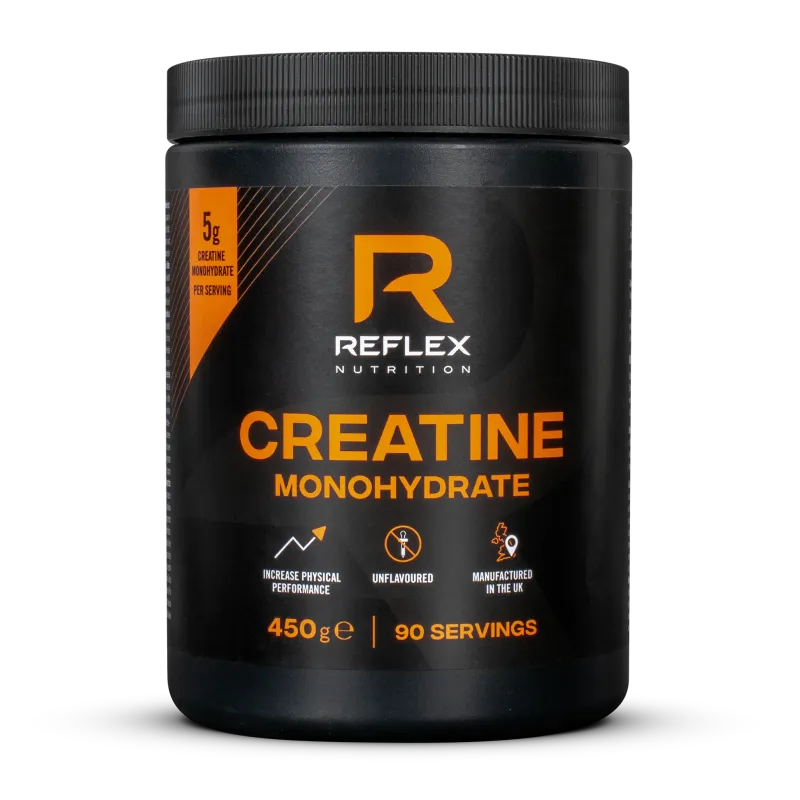
Cheapest Creapure
Reflex Nutrition Nutrition Creatine Monohydrate
250g bag
The cheapest way to buy Creapure in the UK in our price data. Buy the 500g tub.
Buy Nutrition Creatine Monohydrate →See the price on AmazonCheapest Creapure
Pros
- + Creapure creatine monohydrate from AlzChem in Germany
- + 22p per 5g in the 500g tub at £21.99
- + Unflavoured, nothing else in the tub
Cons
- – More than double the price per 5g of the cheapest standard monohydrate
- – The 250g tub is far worse value at £18.99
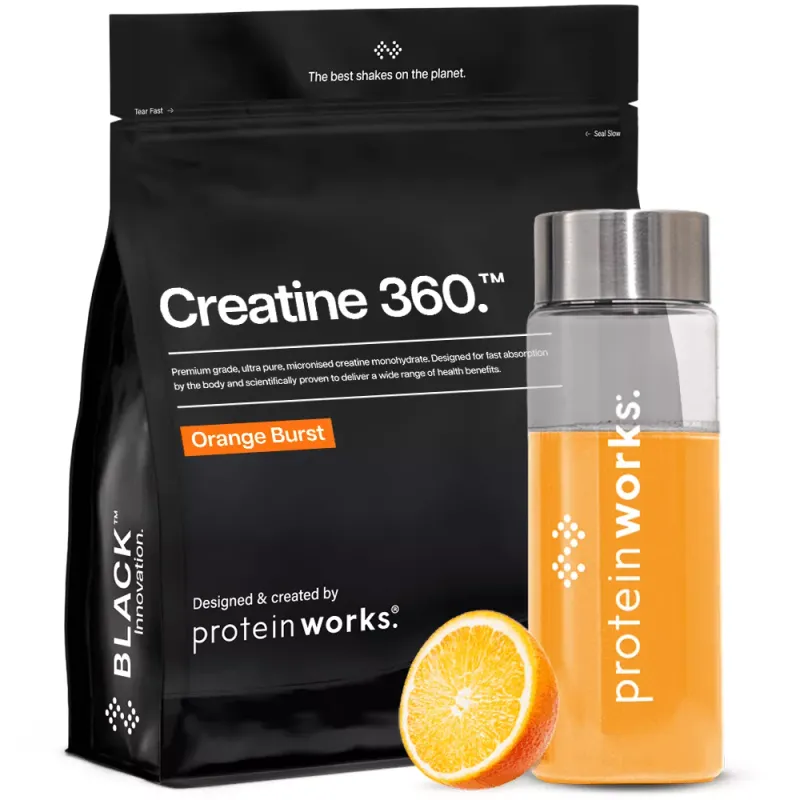
Best value
Protein Works Creatine Monohydrate
500g bag
Standard creatine monohydrate at the lowest price per 5g from a major UK brand, for anyone who doesn't need Creapure or drug testing.
or compare all UK prices →Best value
Pros
- + 10p per 5g in the 1kg bag at £19.99
- + Ultra-fine 200 mesh powder
- + Unflavoured, Berry Blitz or Orange Burst
Cons
- – No Creapure source stated
- – No batch-testing certification stated
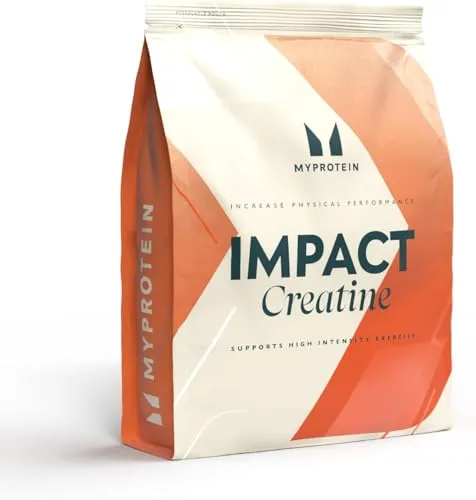
Informed Choice tested
MyProtein Impact Creatine x Chupa Chups
250g bag
For tested athletes on a budget: batch testing for banned substances at 14p per 5g, a third of the price of MyProtein THE Creatine.
or compare all UK prices →Informed Choice tested
Pros
- + Informed Choice certified for banned substances
- + 14p per 5g in the 1kg tub at £27.99
- + Wide flavour range, including Vimto and Chupa Chups
Cons
- – Not Creapure
- – The 3.4g scoop is below a 5g dose
For live prices across every UK creatine source, see the WheyWise creatine comparison table. For the head-to-head MyProtein Impact vs THE Creatine matchup with specs side by side, see the supplements-reviews matchup, and for how much to take, see how much creatine per day.
Frequently asked questions
Is Creapure worth the extra money?
For most lifters, no. Creapure is purer, but plain creatine monohydrate gives the same strength and muscle results. The cheapest Creapure in WheyWise price data, Reflex Creapure Creatine 500g at £21.99, costs 22p per 5g, against 10p for Protein Works Creatine Monohydrate in the 1kg bag. At 5g a day that is about £44 a year more.
Is there a Eurofins study comparing Creapure with generic creatine?
We found no published Eurofins study. Creapure's own website says AlzChem's analyses of 20 conventional creatine products found some exceeded EFSA recommendations several times over, but it does not name the laboratory or publish the results for each product.
Is Creapure Informed Sport certified?
Creapure says it is on the Cologne List, is made in an FSSC 22000 certified plant and has every batch tested by HPLC. Informed Sport and Informed Choice certify finished products, so whether a tub is certified depends on the brand that packs it. MyProtein Impact Creatine, which is not Creapure, is Informed Choice certified.
Is Bulk creatine Creapure?
Bulk's standard Creatine Monohydrate is not sold as Creapure. Bulk sells a separate Creapure Creatine at £41.99 for 500g on bulk.com, against £10.99 for 500g of its standard Creatine Monohydrate.
Is Optimum Nutrition creatine Creapure?
Optimum Nutrition's Micronised Creatine Powder page does not claim Creapure. In the UK each 3.6g scoop gives 3.4g of creatine monohydrate, and the 634g tub costs £27.98 on Amazon UK, or 22p per 5g.
Related reading
Why Does My Protein Bar Taste Artificial? Ingredients to Avoid
Protein bars taste artificial mostly because of what replaces the sugar: polyols such as maltitol, usually paired with an intense sweetener such as sucralose. Polyols are also the usual reason bars cause wind and bloating. The Myprotein Layered Bar in Hotel Chocolat Salted Caramel has no maltitol and no intense sweetener.
8 min read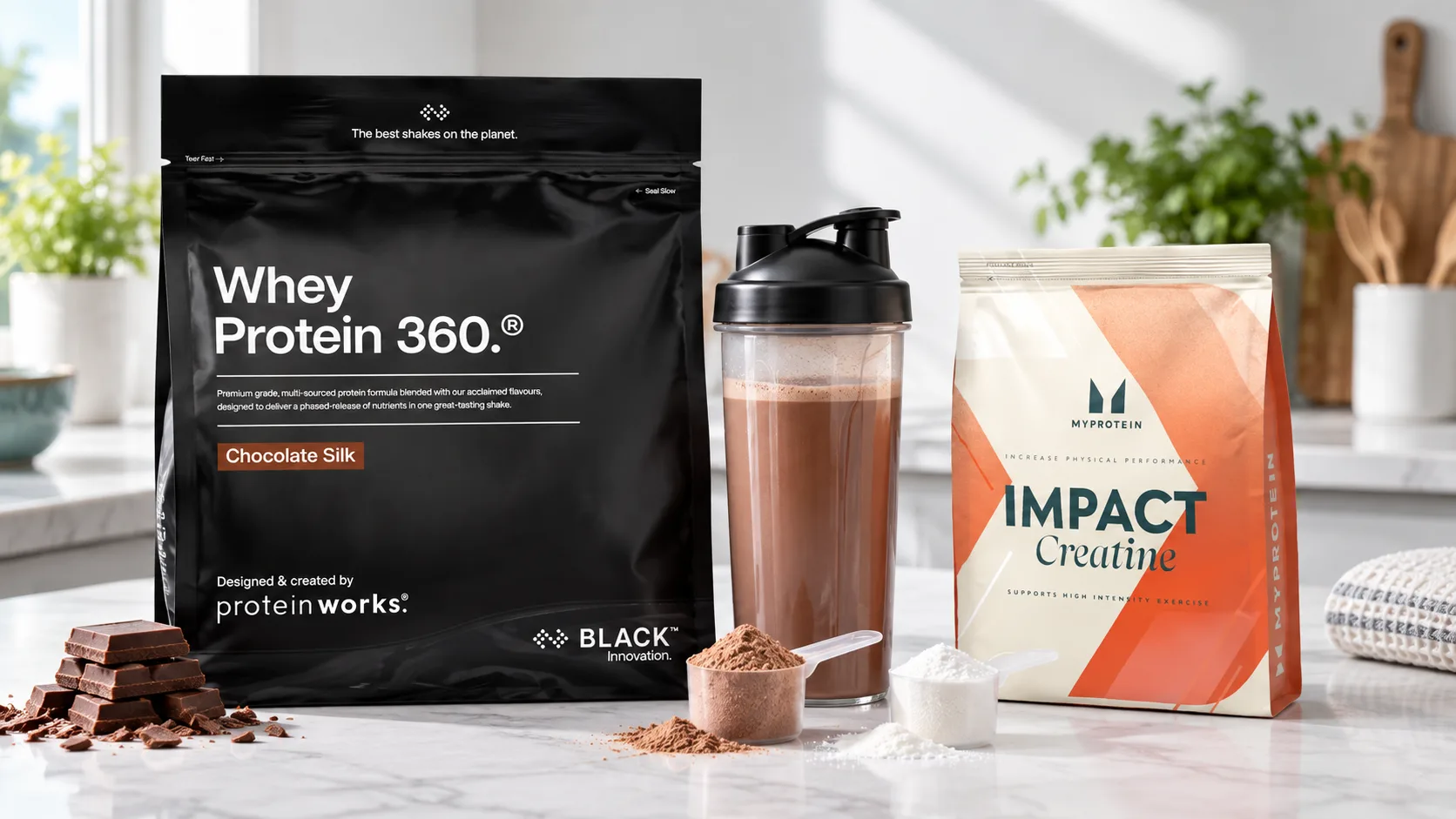
Can You Mix Creatine With Protein Powder? Cost Per Day
Yes, you can mix creatine with protein powder in the same shaker. It is safe, and taking creatine with protein and carbohydrate may even help your muscles hold on to more of it. Use 3g to 5g of plain creatine monohydrate a day and drink the shake soon after mixing.
6 min read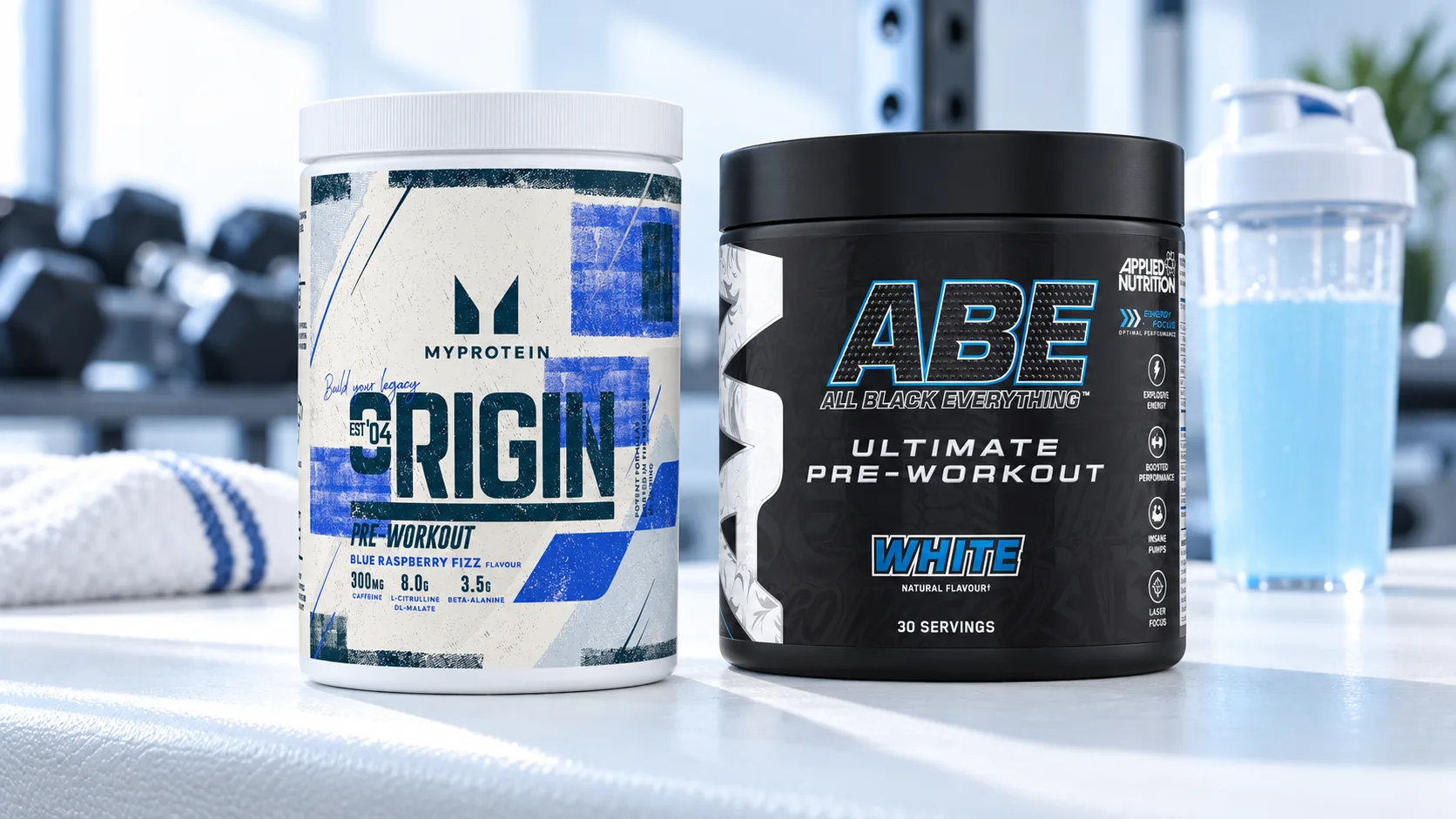
What Is in Pre-Workout, and What Does It Cost?
Pre-workout is mostly caffeine plus citrulline, beta-alanine and sometimes creatine, and caffeine does most of the work. A serving costs 53p to 93p on the brands' own sites. Applied Nutrition ABE has 200mg of caffeine per scoop and costs 93p direct or 80p on Amazon UK; Myprotein Origin Pump, without caffeine, is cheapest at 53p.
7 min readFind your cheapest protein
782 products compared from 181 brands
Sorted by best value per 25g of protein.
Compare all products