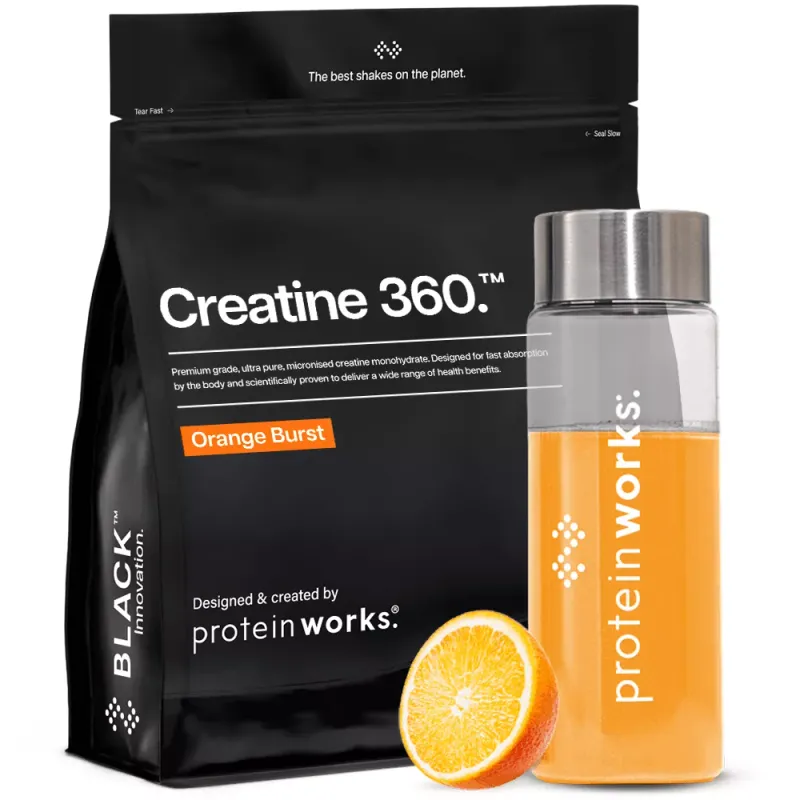
Steady dose, no loading
Protein Works
Creatine Monohydrate
500g bag
Buy Creatine Monohydrate →Direct from Protein WorksGet 12% off your order
Creatine's most common side effects are water weight and, during a loading phase, some bloating or stomach upset. Hair loss is not proven: the 2009 study most often cited measured a hormone, DHT, and did not measure hair. In healthy adults, the research supports safety, but anyone with a kidney condition should speak to a GP first.
Kevin, founder of WheyWise
Steady dose, no loading
Protein Works
500g bag
Buy Creatine Monohydrate →Direct from Protein WorksQuick answer
The side effects people actually report from creatine are water weight and, mostly during a loading phase, bloating or an upset stomach, and both are manageable. The hair loss worry rests on a 2009 study that measured a hormone, not hair, so it is not proof. For healthy adults, the research supports creatine monohydrate as safe at 3 to 5 grams a day, and if you decide to start, Protein Works Creatine Monohydrate is the cheapest we track at 10p per 5g. Speak to your GP first if you have a kidney condition or take regular medication.
Creatine is one of the most studied supplements, and the two worries people raise most, hair loss and kidney damage, need careful reading before you accept them. This guide sets out what the research does and does not show, starting with the common complaints of water weight, bloating and loading-phase stomach upset. Our best creatine in the UK guide covers which product to buy.
Yes, and it is expected. Most people see the scale rise by 1 to 2 kilograms in the first couple of weeks, because creatine draws water into the muscle cells alongside it. That is water inside the muscle, not fat, though it can feel unwelcome if you are watching your weight.
The extra weight reflects the store rather than a continuing build-up, so it levels off once the muscle is full. If you stop taking creatine, the store slowly drops back over about 4 to 6 weeks, and the water goes with it.
Some people get bloating, cramping or an upset stomach. Splitting the dose across the day, with meals, is the usual first fix.
If stomach upset continues on a steady 3 to 5 gram dose, try a smaller dose first. If it still persists, speak to your GP, because ongoing symptoms need checking rather than pushing through. Our creatine monohydrate vs HCL guide covers the one case where switching form makes sense.
The loading phase is where stomach upset is most likely, because it asks for 20 to 25 grams a day for 5 to 7 days. Loading is optional, and a steady 3 to 5 grams from the start reaches full saturation in about 3 to 4 weeks without it, as explained in how much creatine per day.
If you do load, split the dose into four or five portions across the day with meals. Loading also adds about 1 to 2 kilograms of water weight, which is normal but matters if you are cutting weight.
The hair loss worry comes mostly from a 2009 study by van der Merwe and colleagues, run in college-aged male rugby players. It looked at two hormones, testosterone and dihydrotestosterone (DHT), and found that DHT levels rose during creatine use while testosterone did not change.
DHT is an androgen that is linked to hair loss in some people, which is why the result got attention. The study did not measure hair loss, though. A short hormone change in a small group of men is not evidence that creatine causes hair loss, and the authors themselves called for more research into the long-term effects of that change.
A 2021 review by Antonio and colleagues lists hair loss among the common misconceptions it addresses. We do not stretch the 2009 result beyond what it measured, and if hair loss worries you, a GP can look at the cause properly.
For healthy adults, the research supports creatine monohydrate as safe and well tolerated at the 3 to 5 gram dose. The International Society of Sports Nutrition position stand reviews short- and long-term use and reports that it is safe and well tolerated in healthy people.
Kidney damage appears on the same list of misconceptions in the 2021 review, which describes creatine as relatively well tolerated. Creatine can raise the creatinine reading on a blood test, so tell your GP you take it before any kidney test, so they read the result correctly.
If you have a kidney condition or a history of kidney problems, speak to your GP before you start. The research summarised here is about healthy adults, and it does not cover people with kidney disease.
Speak to your GP first if you have a kidney condition or a history of kidney problems, if you are pregnant, trying to conceive or breastfeeding, or if you take regular medication. This guide cannot judge those situations for you.
Also talk to a GP if side effects persist or anything about them worries you. Keep your GP informed about every supplement you take, not only creatine.
Start by asking which side effect it is and when it started. Water weight in the first two weeks is expected, and it does not need a response. Stomach upset that starts during loading is a reason to stop loading and move to a steady dose, rather than a reason to stop creatine altogether.
If a symptom is severe, new, or keeps coming back, stop taking creatine and speak to a GP. The same applies to anything that worries you, even if it is not on this list, because a doctor can look at your whole picture in a way a guide cannot.
Keep a simple note of your dose, the time you took it, and what you noticed. That record makes the conversation with a GP much quicker, and it tells you whether a change in how you feel is linked to creatine or to something else in your week.
Take a steady 3 to 5 grams a day rather than loading, and split any larger dose across the day with food. Mix it fully into a drink, keep your normal fluid intake, and take the same dose each day so you can tell what is normal for you.
Steady dose, no loading
500g bag
Plain monohydrate for a steady daily dose, which keeps the loading phase optional.
or compare all UK prices →Steady dose, no loading
Pros
Cons
The creatine for women guide covers the same dose question for women, and the creatine gummies guide explains why powder is the cheaper way to take the same dose. For live prices across every UK creatine product, use the WheyWise creatine comparison table.
Before you choose a product, read the best creatine in the UK guide, which ranks the powders by cost per 5g and third-party testing.
The main evidence is a 2009 study that measured DHT, a hormone, in young male rugby players, and it did not measure hair loss. That is not proof that creatine causes hair loss, and the authors called for more research into the long-term effects of the hormone change.
The research supports creatine monohydrate as safe and well tolerated in healthy adults at 3 to 5 grams a day. If you have a kidney condition, speak to your GP first, and tell them you take creatine before any kidney blood test.
Creatine draws water into your muscle cells, which usually adds 1 to 2 kilograms in the first couple of weeks. That weight is water rather than fat, and it stays while the store is full.
Some people get bloating or an upset stomach, most often during a loading phase. Splitting the dose across the day with food usually helps, and symptoms that persist are a reason to speak to your GP.
Anyone with a kidney condition, anyone who is pregnant, trying to conceive or breastfeeding, and anyone who takes regular medication. This guide cannot judge those situations for you.

Why Does My Protein Bar Taste Artificial? Ingredients to Avoid
Protein bars taste artificial mostly because of what replaces the sugar: polyols such as maltitol, usually paired with an intense sweetener such as sucralose. Polyols are also the usual reason bars cause wind and bloating. The Myprotein Layered Bar in Hotel Chocolat Salted Caramel has no maltitol and no intense sweetener.
8 min read
When to Eat a Protein Bar: Around Training, Snacks and Long Days
A protein bar works before training, after it or as a snack if it fills a real gap in your protein. Timing matters less than total daily protein, which the ISSN puts at 1.4 to 2.0g per kg of body weight for people who train. This guide covers each use, from training to long days.
6 min read
Can You Eat Protein Bars Every Day? How Many and What to Watch
One protein bar a day is a reasonable habit for most gym-goers if the rest of the diet is mainly whole food. The sweetener decides how a bar sits, because polyols such as maltitol can cause wind and loose stools in larger amounts. Here is how many bars make sense and what the UK warning means.
7 min readFind your cheapest protein
783 products compared from 181 brands
Sorted by best value per 25g of protein.
Compare all products