Creatine for Women UK: Dose, Bulk Myths, and Over 40s
Creatine works the same way in women as in men, and the daily dose is the same: 3 to 5 grams of creatine monohydrate, every day. It does not make most women bulky by itself. Less research has been done in women than in men, but the evidence points to possible benefits for strength and muscle, including after 40.
Kevin, founder of WheyWise
Quick answer
Creatine works the same way in women as in men, and the daily dose is the same: 3 to 5 grams of plain creatine monohydrate every day. It does not make most women bulky by itself, and the research in women is thinner than in men, so treat the benefits as possible rather than proven. The cheapest option we track is Protein Works Creatine Monohydrate at 10p per 5g in the 1kg bag. If you need third-party testing, MyProtein Impact Creatine is Informed Choice certified, at 14p per 5g.
Creatine works the same way in women as it does in men, and the daily dose does not change. The full picture on price, form and testing is in our best creatine in the UK guide. The cheapest monohydrate we track is Protein Works Creatine Monohydrate, at 10p per 5g in the 1kg bag.
Is the creatine dose different for women?
No. The maintenance dose is 3 to 5 grams of creatine monohydrate a day, and the saturation logic in how much creatine per day applies equally. Smaller users reach saturation comfortably at 3 grams, and larger users may prefer 5 grams.
Most people who start creatine see the scale move up 1 to 2 kilograms in the first couple of weeks. That is water held inside the muscle cells alongside the creatine, and it is not fat gain.
Does creatine make women bulky?
No, not on its own. Creatine helps you get more out of each training session, and the size of any muscle change depends on the training, food, and time you put in.
Many people notice strength first, because heavier sets become possible before muscle size changes much. A 3 to 5 gram daily dose does not turn a light training routine into a bodybuilder's physique on its own.
What does the research say for women?
Creatine research in women is thinner than in men. A 2021 review, Smith-Ryan et al., 2021, describes the evidence in women as understudied, with possible benefits for strength and exercise performance in premenopausal women.
The same review describes possible bone benefits when creatine is combined with resistance training. It also reports possible effects on mood and cognition, which it presents as a possibility rather than a finding.
The authors note that creatine handling differs in women, with lower endogenous stores than in men. That is one reason the research gap matters, and it is why this guide avoids promising more than the studies show.
Is creatine useful for women over 40?
The same review suggests postmenopausal women may gain in muscle size and function, and it discusses higher doses in some studies. This guide does not recommend going above the 3 to 5 gram range, because the everyday advice in our other guides is to stay inside it and let consistency do the work.
Resistance training matters more than the supplement for this age group. Creatine is an addition to a training plan, not a replacement for one.
Does creatine matter during menopause?
The review says hormonal changes across the menstrual cycle, pregnancy, postpartum and menopause affect how the body handles creatine. Supplementation may therefore be especially relevant at those stages, but the authors present this as an area for research, not a settled benefit.
This article does not claim that creatine treats or prevents any menopause symptom. If you are going through menopause and considering creatine, speak to your GP, especially if you take any regular medication.
Does creatine need resistance training to work?
Creatine on its own is a supplement, and the benefits in the research come mostly from people who are training. The bone finding in the 2021 review was for creatine combined with resistance training, which is the main reason to pair it with a lifting plan rather than taking it alone.
A simple plan is two or three full-body sessions a week built around squats or leg presses, a hinge movement such as a Romanian deadlift, a press, and a row. Add a little weight or a rep when you can, and keep a note so you can see the progress. Creatine supports that work, but it does not replace it.
What should a woman expect in the first month?
Most of the change in the first month is water, and the strength side takes longer to show. Without a loading phase, full saturation takes about 3 to 4 weeks at a steady dose, so judge the results after two months rather than after the first week.
Keep the same time of day and the same scoop for the whole period, so you can tell whether a change in strength or weight comes from the creatine or from something else. A steady rise in your working weights over several weeks is a better sign than one good session.
Creatine does not need cycling. If you stop, the store drops back over about 4 to 6 weeks, so a break only means building the store up again, and there is no training benefit to taking one.
Which creatine should a woman buy?
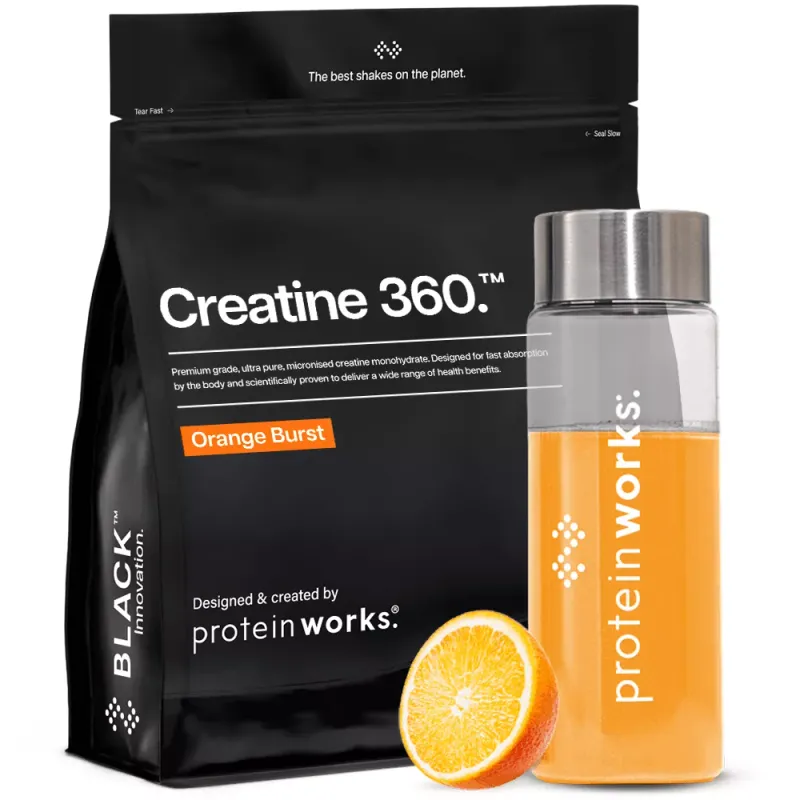
Any plain creatine monohydrate works, so the choice comes down to price and testing. Protein Works Creatine Monohydrate is the cheapest in our price data at 10p per 5g in the 1kg bag, and it mixes cleanly into a shake or water.
Best value
Protein Works Creatine Monohydrate
500g bag
The lowest price per 5g from a major UK brand in our data, and the default for most women who train.
or compare all UK prices →Best value
Pros
- + 10p per 5g in the 1kg bag at £19.99
- + Plain monohydrate, with no flavour to mask
- + Available in 250g, 500g and 1kg bags
Cons
- – No Creapure source or batch-testing certification stated
- – The 250g bag costs 14p per 5g, so buy the larger size
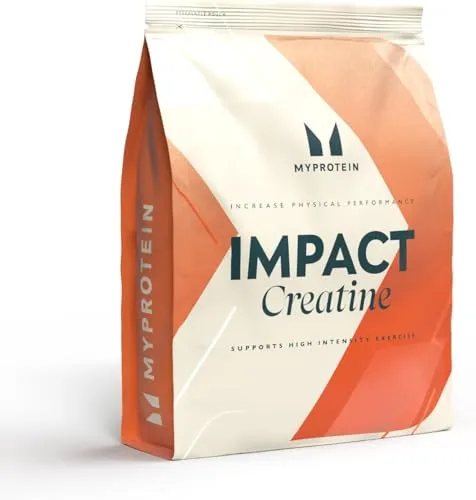
If you need third-party testing, for example because you compete or are subject to drug testing, MyProtein Impact Creatine is Informed Choice certified. It costs £27.99 for 1kg on myprotein.com, or 14p per 5g.
Informed Choice tested
MyProtein Impact Creatine x Chupa Chups
250g bag
The tested option for women who need certainty about what is in the tub.
or compare all UK prices →Informed Choice tested
Pros
- + Informed Choice certified for banned substances
- + 14p per 5g in the 1kg tub
- + Unflavoured version is 100% creatine monohydrate
Cons
- – Each 3.4g scoop is below a 5g dose, so take about one and a half scoops
- – Dearer per 5g than Protein Works
For the form question, see creatine monohydrate vs HCL. To add creatine to your protein, read can you mix creatine with protein powder. For live prices across every UK creatine product, use the WheyWise creatine comparison table.
When should a woman speak to her GP first?
Speak to your GP before starting creatine if you are pregnant, trying to conceive, or breastfeeding. Ask first if you have any kidney condition, or if you take regular medication, because this guide cannot judge those situations.
A healthy adult with none of those issues can follow the 3 to 5 gram routine. If anything changes, such as a new prescription or a diagnosis, go back to your GP before you carry on.
Our creatine side effects guide covers water weight, stomach upset and the hair loss question in more detail, and our creatine gummies guide explains why powder usually gives you the dose more cheaply.
Read the best creatine in the UK guide for the full ranking by cost and testing before you buy.
Frequently asked questions
Is creatine different for women?
The daily dose and the form are the same: 3 to 5 grams of creatine monohydrate every day. Less research has been done in women than in men, so the benefits are less certain, but the dosing advice does not change.
Will creatine make me bulky?
Not by itself. Creatine helps you get more out of training, and any change in muscle size depends on the training, food, and time you put in. The early weight gain is water held inside the muscle, not fat.
Can women over 40 take creatine?
A review suggests possible benefits for muscle size and function after menopause, but the evidence is limited. Stay within 3 to 5 grams a day, and speak to your GP first if you have a health condition or take regular medication.
Does creatine help with menopause?
Hormonal stages affect how the body handles creatine, but the research treats this as an area for further study rather than a settled benefit. This guide makes no medical claims about menopause, so ask your GP.
Should women take creatine during pregnancy?
Not without speaking to your GP first. This guide cannot advise on pregnancy or breastfeeding, so ask a doctor before you start.
Related reading
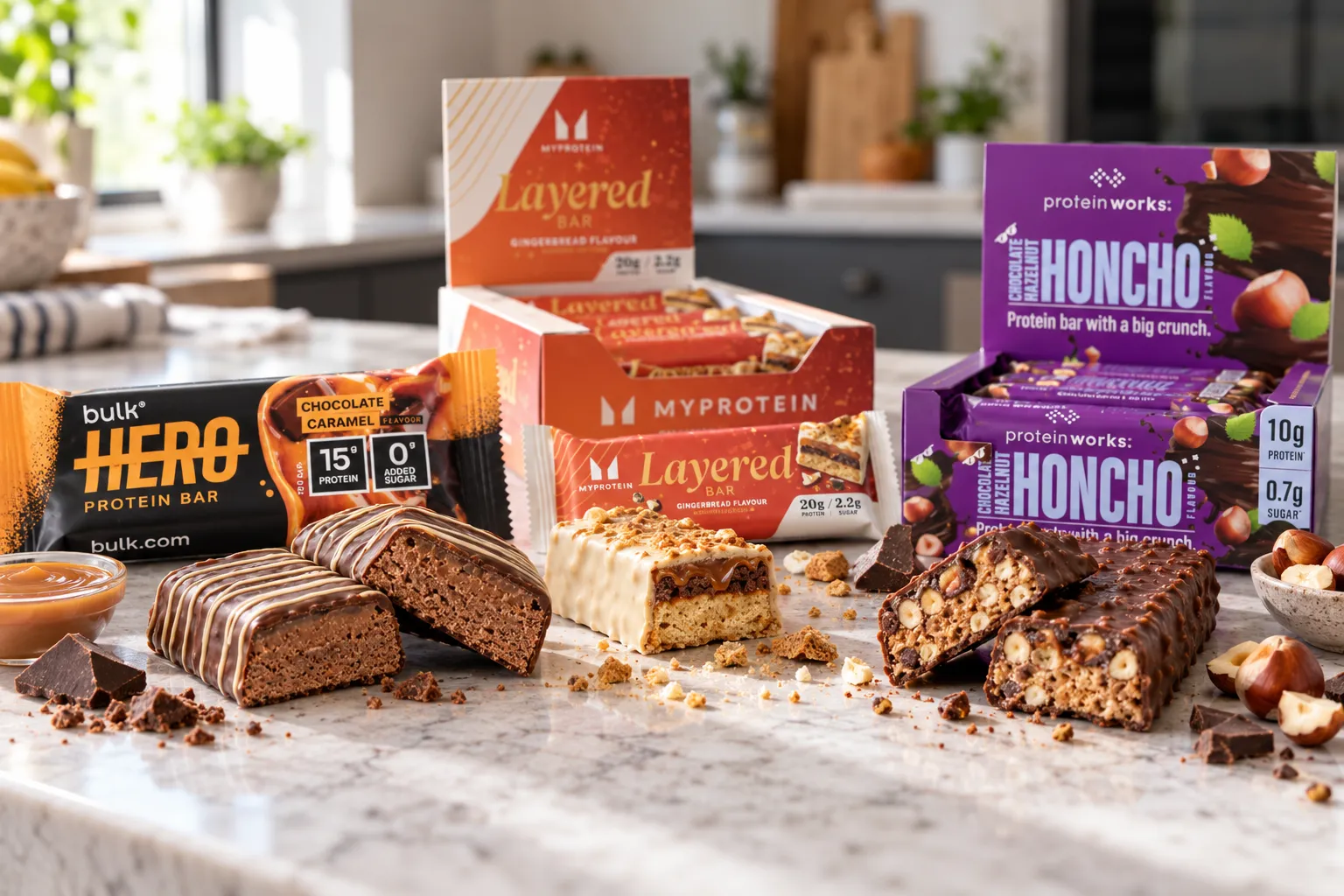
Why Does My Protein Bar Taste Artificial? Ingredients to Avoid
Protein bars taste artificial mostly because of what replaces the sugar: polyols such as maltitol, usually paired with an intense sweetener such as sucralose. Polyols are also the usual reason bars cause wind and bloating. The Myprotein Layered Bar in Hotel Chocolat Salted Caramel has no maltitol and no intense sweetener.
8 min read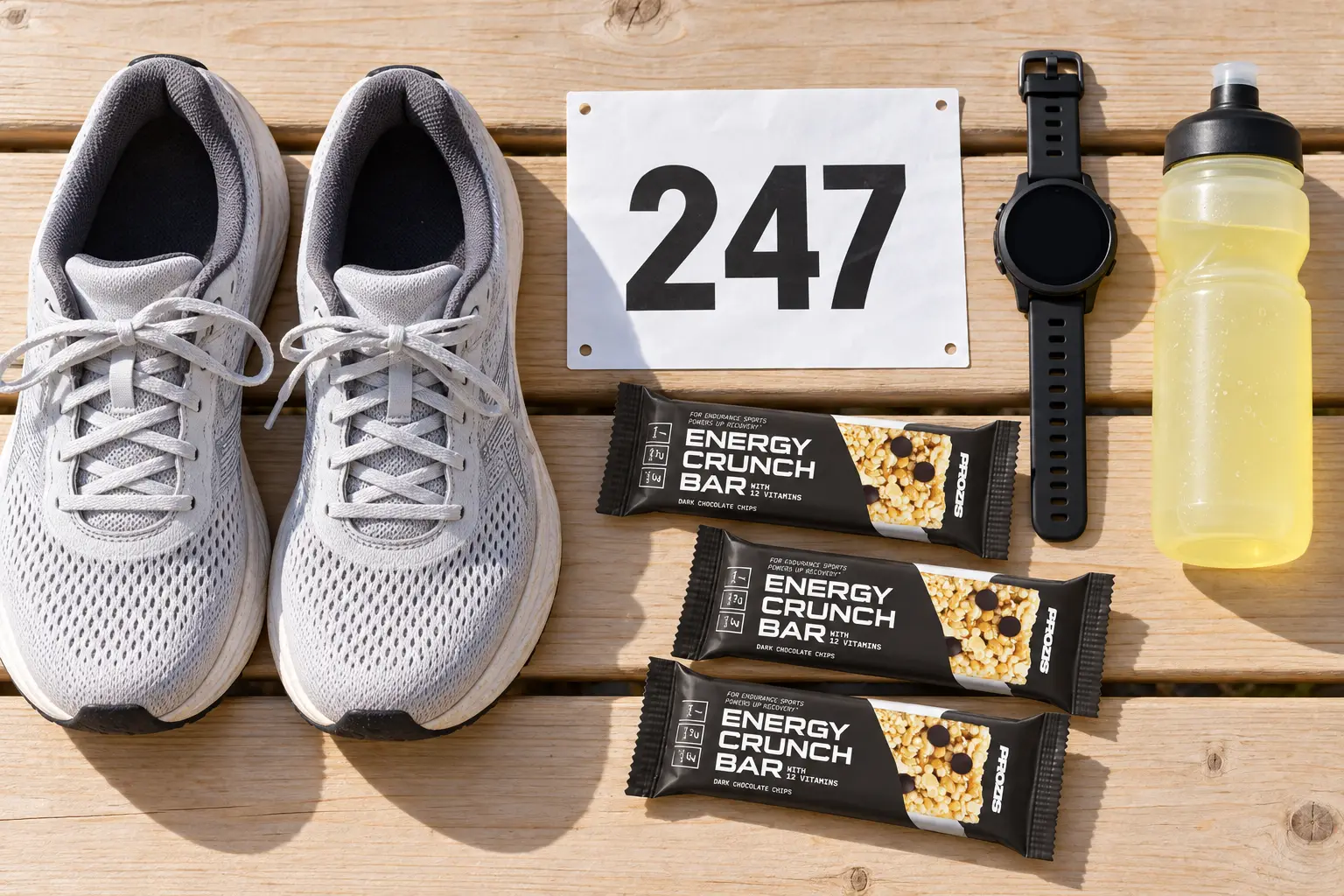
When to Eat a Protein Bar: Around Training, Snacks and Long Days
A protein bar works before training, after it or as a snack if it fills a real gap in your protein. Timing matters less than total daily protein, which the ISSN puts at 1.4 to 2.0g per kg of body weight for people who train. This guide covers each use, from training to long days.
6 min read
Can You Eat Protein Bars Every Day? How Many and What to Watch
One protein bar a day is a reasonable habit for most gym-goers if the rest of the diet is mainly whole food. The sweetener decides how a bar sits, because polyols such as maltitol can cause wind and loose stools in larger amounts. Here is how many bars make sense and what the UK warning means.
7 min readFind your cheapest protein
783 products compared from 181 brands
Sorted by best value per 25g of protein.
Compare all products