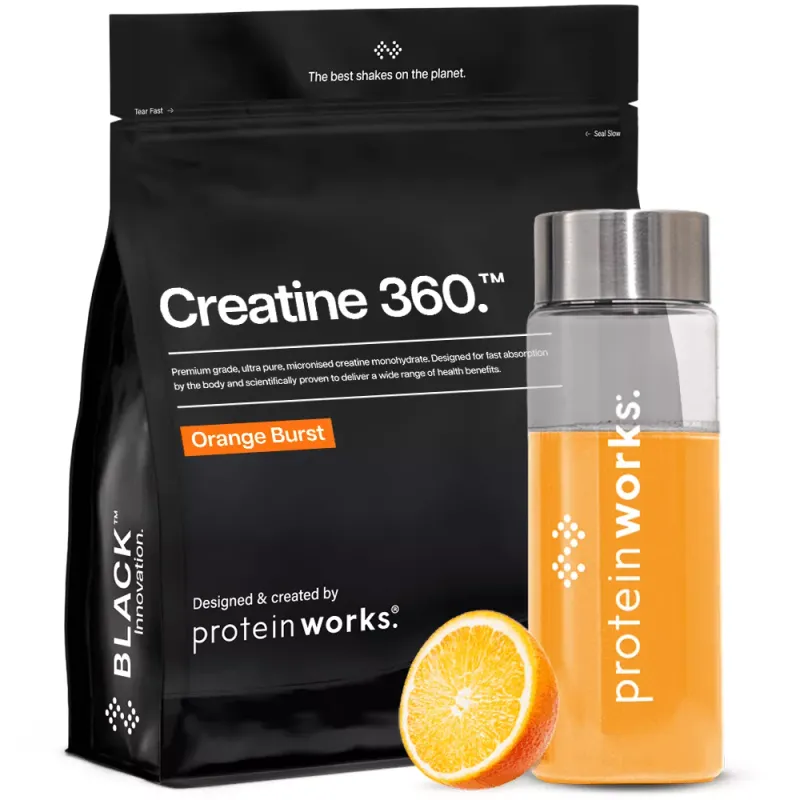
Cheapest monohydrate
Protein Works
Creatine Monohydrate
500g bag
Buy Creatine Monohydrate →Direct from Protein WorksGet 12% off your order
Creatine monohydrate wins for almost every UK buyer: it costs less, has far more research behind it, and the only recent head-to-head trial found creatine HCL gave no extra benefit, while HCL costs 1.6 to 1.9 times as much per gram at the same retailer.
Kevin, founder of WheyWise
Cheapest monohydrate
Protein Works
500g bag
Buy Creatine Monohydrate →Direct from Protein Works
If monohydrate upsets your stomach
Bulk
500g bag
Buy Creatine HCL Powder - Creatine Hydrochloride - Fast Absorbing - High Intensity Workout - Post Workout Creatine →Live price across UK retailersSee all UK alternatives in the live comparison table →Quick answer
Buy monohydrate. Creatine HCL costs 1.6 to 1.9 times as much per gram at the same retailer, and the 2024 head-to-head trial found it gave no extra strength or muscle: Bulk Creatine HCL is £17.99 for 500g against £10.99 for Bulk Creatine Monohydrate. The cheapest monohydrate from a major brand in our price data is Protein Works Creatine Monohydrate, at 10p per 5g in the £19.99 1kg bag. HCL is only worth a try if monohydrate genuinely upsets your stomach. WheyWise compared every price against UK retailer data.
Creatine monohydrate wins for almost every UK buyer: it costs less, has far more research behind it, and the only recent head-to-head trial found creatine HCL gave no extra benefit. Creatine HCL is a newer form marketed as more soluble and easier on the stomach. The solubility advantage is real, but it does not translate into better strength or muscle gain, and at the same retailer it costs 1.6 to 1.9 times as much per gram.
Creatine monohydrate is creatine bonded to a water molecule. Creatine HCL (creatine hydrochloride) is creatine bonded to hydrochloric acid. Both deliver the same active compound to muscle tissue. Creatine monohydrate has been the subject of hundreds of peer-reviewed studies since the 1990s. Creatine HCL carries a much thinner research base.
The two forms are marketed differently. Creatine monohydrate sells on price and clinical track record. Creatine HCL sells on solubility and the claim that smaller doses work as well as larger monohydrate doses. The second claim is the one buyers should scrutinise.
Yes. Creatine HCL dissolves far more readily in water than creatine monohydrate, and this is the one claim that HCL marketing gets right. Standard creatine monohydrate can leave visible grit at the bottom of a shaker in cold water; creatine HCL dissolves fully. Users who find monohydrate gritty often cite this as their reason for switching.
Micronised or ultra-fine creatine monohydrate closes most of the solubility gap. The particle size is reduced so the powder mixes into water, protein shakes, or juice without clumping. Optimum Nutrition Micronised Creatine is one example, and Protein Works describes its Creatine Monohydrate as ultra-fine 200 mesh powder, so solubility is rarely a genuine deciding factor.
No. In the 2024 trial cited above, both groups took the same dose, 0.03g per kg of bodyweight, through eight weeks of resistance training at 70 to 85% of their one-rep max. Strength, muscle cross-sectional area and skeletal muscle mass rose in both creatine groups compared with placebo, and creatine HCL showed no benefit over monohydrate.
Note what that trial did not test. HCL brands often suggest you can take less, but the trial gave both forms at the same dose by bodyweight, so it offers no support for the idea that a smaller HCL dose matches a normal monohydrate dose.
The mechanism explains the result. Creatine saturation in muscle is determined by total daily creatine intake, not by how quickly a single dose dissolves in water. Once muscle creatine stores hit saturation (typically 3 to 4 weeks at 3 to 5 grams per day), adding more creatine produces no further benefit. Solubility affects drink texture, not the biology.
Creatine HCL costs 1.6 to 1.9 times as much per gram as monohydrate from the same brand in the UK. Bulk Creatine HCL is £17.99 for 500g against £10.99 for Bulk Creatine Monohydrate, 64% more. MyProtein Creatine HCL is £30.49 for 500g against £15.99 for MyProtein Impact Creatine, 91% more.
| Product | Form | Pack and price | Per gram | Per 5g |
|---|---|---|---|---|
| Protein Works Creatine Monohydrate | Monohydrate | 1kg, £19.99 | 2.0p | 10p |
| Bulk Creatine Monohydrate | Monohydrate | 500g, £10.99 | 2.2p | 11p |
| MyProtein Impact Creatine | Monohydrate | 500g, £15.99 | 3.2p | 16p |
| Bulk Creatine HCL | HCL | 500g, £17.99 | 3.6p | 18p |
| MyProtein Creatine HCL | HCL | 500g, £30.49 | 6.1p | 30p |
Bulk prices from bulk.com, the others from WheyWise price data for myprotein.com and theproteinworks.com. Unflavoured where available.
The same gap shows up in the wider market. A 2022 audit of 175 creatine products on Amazon.com (Escalante et al., 2022) found creatine monohydrate averaged $0.12 per gram against $0.26 for alternative forms of creatine, and classed about 88% of the alternative products as having limited or no evidence behind them.
The cost delta compounds over a year. At 5g a day, Protein Works Creatine Monohydrate costs about £36 a year, while MyProtein Creatine HCL at the same 5g a day costs about £111. The price premium buys improved solubility and nothing else that the research supports.
Pick creatine monohydrate unless one specific criterion applies:
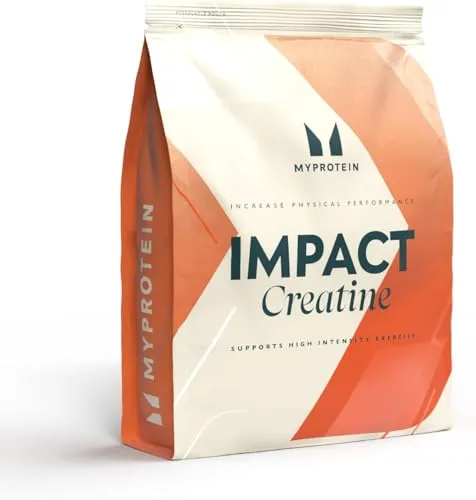
If none of those apply, creatine monohydrate is the rational pick. For competitive athletes subject to banned-substance testing, choose a batch-tested tub over an untested one: MyProtein Impact Creatine, for example, is Informed Choice certified. The third-party testing matters more than the creatine form.
The cheapest monohydrate per 5g dose from a major UK brand costs 10p. The WheyWise creatine comparison table ranks current UK options by cost per 5g, Creapure status, and third-party testing. Three products to start with:
Cheapest monohydrate per 5g
500g bag
The cheapest creatine monohydrate from a major UK brand in our price data, at 10p per 5g in the 1kg bag.
or compare all UK prices →Cheapest monohydrate per 5g
Pros
Cons
Informed Choice tested
250g bag
Plain monohydrate with banned-substance testing, the sensible pick if you compete.
or compare all UK prices →Informed Choice tested
Pros
Cons
If monohydrate upsets your stomach
500g bag
The HCL to try if monohydrate genuinely disagrees with you, and only then.
If monohydrate upsets your stomach
Pros
Cons
Why Does My Protein Bar Taste Artificial? Ingredients to Avoid
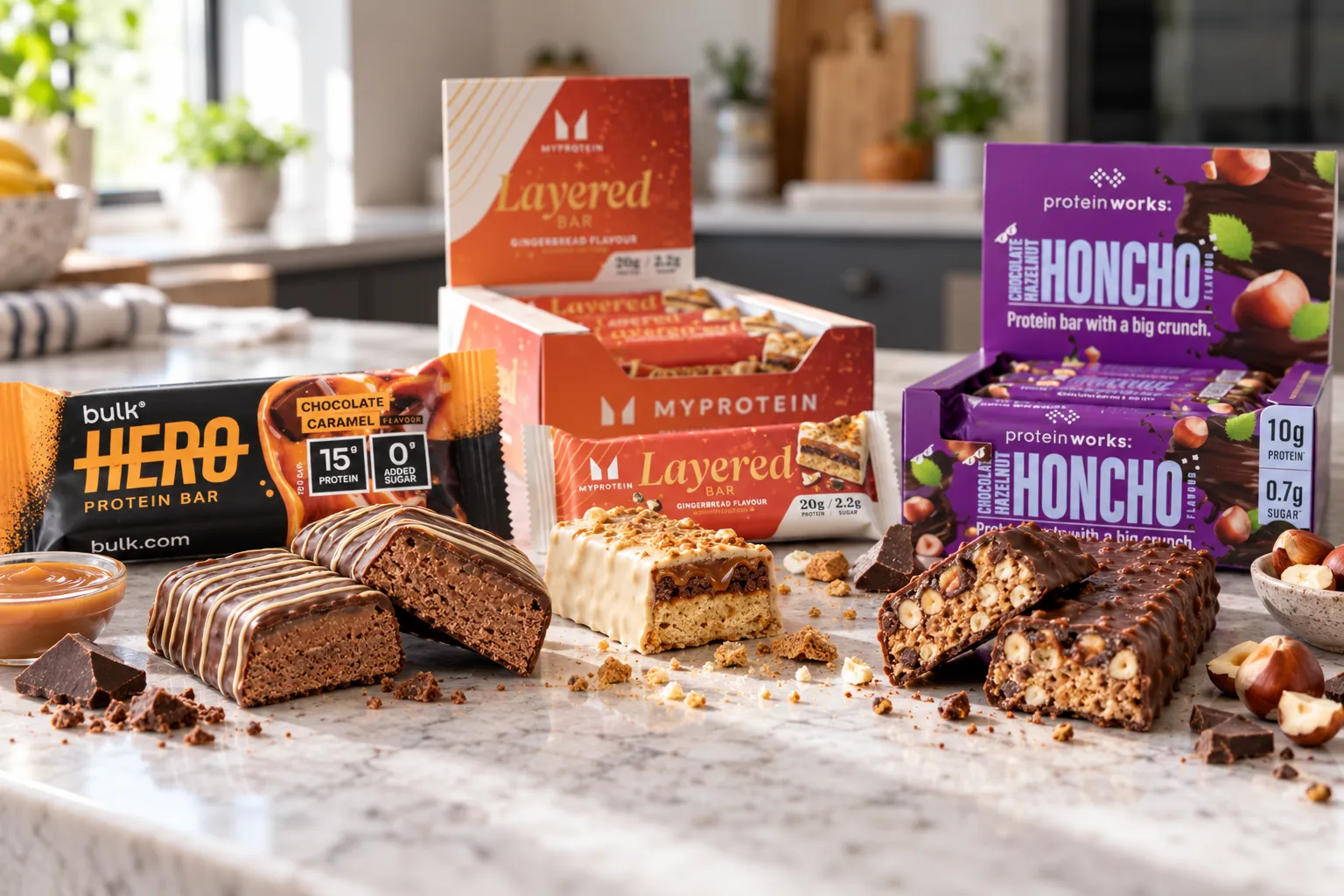
Protein bars taste artificial mostly because of what replaces the sugar: polyols such as maltitol, usually paired with an intense sweetener such as sucralose. Polyols are also the usual reason bars cause wind and bloating. The Myprotein Layered Bar in Hotel Chocolat Salted Caramel has no maltitol and no intense sweetener.
8 min read
Can You Mix Creatine With Protein Powder? Cost Per Day
Yes, you can mix creatine with protein powder in the same shaker. It is safe, and taking creatine with protein and carbohydrate may even help your muscles hold on to more of it. Use 3g to 5g of plain creatine monohydrate a day and drink the shake soon after mixing.
6 min read
What Is in Pre-Workout, and What Does It Cost?
Pre-workout is mostly caffeine plus citrulline, beta-alanine and sometimes creatine, and caffeine does most of the work. A serving costs 53p to 93p on the brands' own sites. Applied Nutrition ABE has 200mg of caffeine per scoop and costs 93p direct or 80p on Amazon UK; Myprotein Origin Pump, without caffeine, is cheapest at 53p.
7 min readFind your cheapest protein
782 products compared from 181 brands
Sorted by best value per 25g of protein.
Compare all products