Why You Grow More Muscle When You Take Protein Powder Consistently
Protein powder helps build muscle when it fills a gap in your daily protein while you train, and the gain comes from doing that every day. A 2018 meta-analysis found protein supplementation increased gains in muscle size and strength, with the benefit plateauing at about 1.6g per kg of bodyweight a day.
Kevin, founder of WheyWise
Direct from the brand
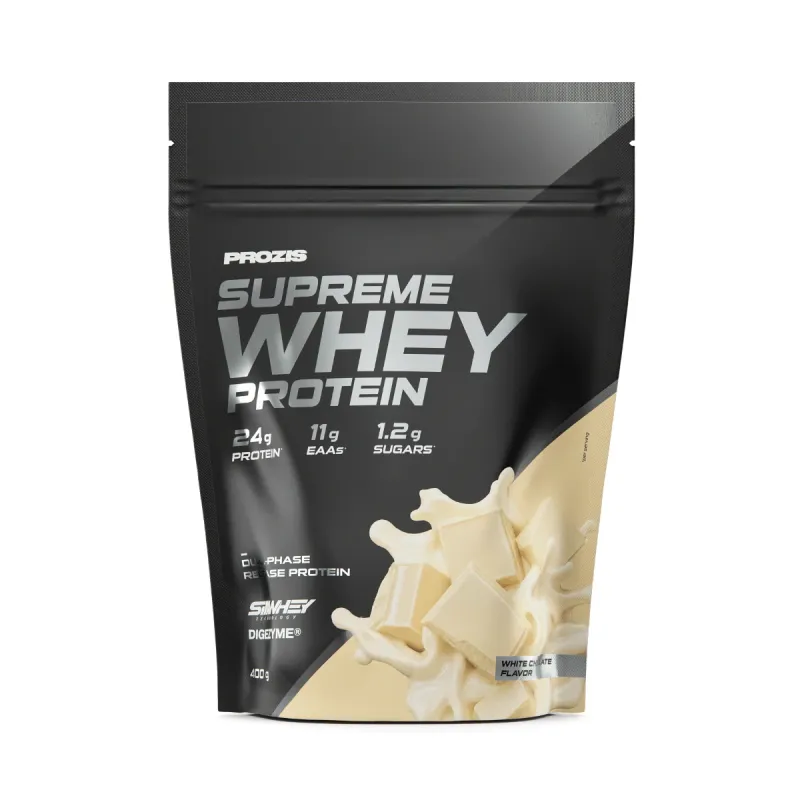
Prozis
Supreme Whey Protein
907g bag
Buy Supreme Whey Protein →Direct from Prozis
Quick answer
Protein powder helps you build muscle when it fills a daily protein gap while you train, and the gain comes from doing that every day rather than from one shake. The 2018 Morton meta-analysis found the benefit levels off at about 1.6g of protein per kg of bodyweight, so aim to reach that figure rather than add more scoops. The whey we would start with is Optimum Nutrition Gold Standard 100% Whey at £1.23 per 25g of protein on Amazon. If your meals already reach your target, the powder adds little, and if they do not, a daily habit is worth more than any perfect timing.
Protein powder helps you build muscle when it closes the gap between the protein you eat and the protein your training needs, and that gain builds up over weeks rather than in one session. This guide covers what the evidence supports, why a daily habit beats perfect timing, and what that habit costs. For the buying side, start with our best protein powder for muscle gain guide.
Does protein powder help build muscle?
It does, with conditions. Your diet has to be short of protein, you have to train with progressive resistance work, and you have to eat enough calories to grow. A 2018 Morton et al. meta-analysis in the British Journal of Sports Medicine found that protein supplementation increased gains in muscle size and strength during resistance training.
The same review found the benefit plateaued at about 1.6g of protein per kg of bodyweight a day. Past that point extra powder adds little, so the aim is to reach that level, not to keep adding scoops.
Why does your daily total matter more than any single shake?
Muscle is built by the balance between protein synthesis and breakdown, and that balance is set by the protein you eat across the whole day. The ISSN nutrient timing position stand says total daily protein matters more than precise timing for anyone who exercises.
The ISSN protein position stand recommends 1.4 to 2.0g of protein per kg of bodyweight a day, in doses of about 20 to 40g spread every three to four hours. A shake you miss on one day costs you little, but a shake you drink most days for months is what closes the gap. For the amounts, see our how much protein powder per day guide.
If you have heard that you must drink protein within 30 minutes of training, our anabolic window explainer covers why that rule is weaker than it sounds.
How long does protein powder take to work?
There is no fast result from a single shake. The gains that trials measure come from weeks of resistance training with enough total protein, and they show up in strength and size over time. If you drink a shake today, nothing about your muscle changes by Friday, so judge the habit over several weeks.
Most of the progress comes from the training itself, through adding weight or reps over time. Protein gives your body the material to repair and grow between sessions, but it does not replace the work. That is why a shake helps one lifter a great deal and another hardly at all: the lifter who already eats enough protein gets little from an extra scoop.
A fairer test than the mirror is your training log and your weekly food. If the weights are going up and your meals already reach your target, you are on track, and the shake is simply a convenience. If the weights have stalled for a month, check your total protein and calories before you buy anything else.
Do you need protein powder every day?
No, but you do need your protein total every day. Powder is a tool for hitting that number, so if your meals already reach your target, you can skip it. If they fall short, a daily scoop is the simplest way to close the gap without cooking another meal.
To check, take your bodyweight and multiply it by 1.6, which gives a daily target in grams. For an 80kg lifter that is about 128g. Write down one ordinary day of food, add up the protein, and the difference is the gap a shake would need to fill.
Food should do most of the work, and eggs, fish, chicken, lean mince, dairy and pulses all supply protein. Powder earns its place on the days when that is hard, such as a long shift, a rushed morning or a training day with no time to cook.
Should you still have protein powder on rest days?
Yes, if your normal meals would leave you short, because your daily target does not switch off on rest days. The ISSN nutrient timing stand puts the emphasis on total daily protein for anyone who exercises, and that total does not drop when you skip a session. Our when to take protein powder guide covers the timing side.
What does a daily protein shake cost?
Two 30g scoops a day is a simple benchmark for a daily habit, and the subscription is the cheapest way to keep it up. Protein Works Whey Protein 360 Black costs £25.68 for 30 days on its OnTap subscription, with about 35g of protein a day from two scoops. Optimum Nutrition Gold Standard 100% Whey costs £67.55 for 30 days from the 4.53kg tub, with about 46g of protein a day.
| Whey and bag | Two 30g scoops a day, 30 days | Protein a day |
|---|---|---|
| Protein Works Whey Protein 360 Black, 4.8kg, OnTap | £25.68 | 35g |
| Bulk Pure Whey Protein, 2kg, Amazon | £49.49 | 43g |
| Myprotein Impact Whey, 3.6kg | £60.00 | 43g |
| Optimum Nutrition Gold Standard 100% Whey, 4.53kg | £67.55 | 46g |
Bulk Pure Whey Protein costs £49.49 for the same 30 days from its 2kg bag, and Myprotein Impact Whey costs £60.00 from its 3.6kg bag. The Protein Works figure is the subscribe price, so a one-off order costs more.
Which whey is easiest to keep drinking every day?
Pick a whey you will drink on most days, because consistency is the part that adds up. Optimum Nutrition Gold Standard 100% Whey is the one we would start with for a daily habit, with about 24g of protein a scoop and wide availability on Amazon. If monthly cost matters more, Protein Works Whey Protein 360 Black is the cheaper daily option on its subscription.
Default daily whey
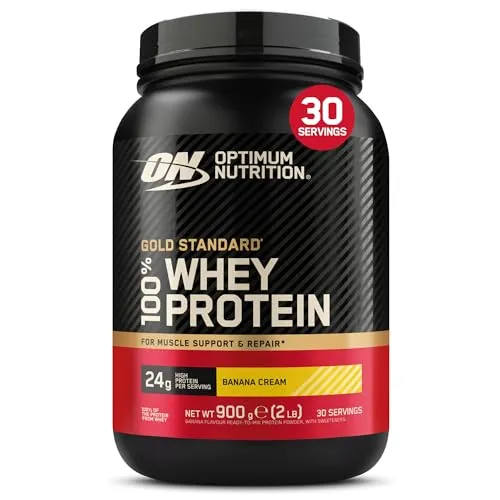
Optimum Nutrition Gold Standard 100% Whey Protein
907g bag
The easy default for a daily habit, at a premium price per gram of protein.
Buy Gold Standard 100% Whey Protein →See the price on AmazonDefault daily whey
Pros
- + About 24g of protein a scoop
- + Easy to buy on Amazon for a repeat order
Cons
- – £1.23 per 25g of protein in the 4.53kg tub, dearer than the budget wheys
●Nutrition per scoop · 23.6g protein in 31g▼
Protein makes up 76%
of this 31g scoop · 114 kcal total
Cheapest daily habit
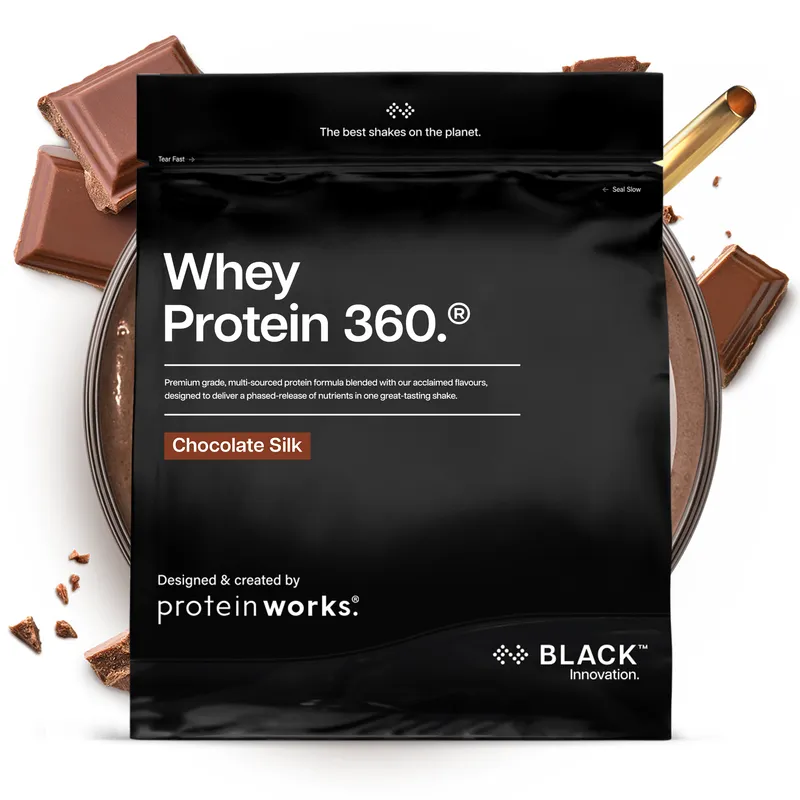
Protein Works Whey Protein 360 Black
2.4kg bag
The cheapest way to keep a daily shake going, best bought on subscription.
or compare all UK prices →Cheapest daily habit
Protein Works Whey Protein 360 Black
2.4kg bagPros
- + 60p per 25g of protein on the OnTap subscription
- + Available in an Unflavoured version for blended shakes
Cons
- – About 18g of protein in a 30g scoop, less than the premium wheys
- – A one-off order costs more than the subscribe price
●Nutrition per scoop · 17.7g protein in 30g▼
Protein makes up 59%
of this 30g scoop · 109 kcal total
When does protein powder not help?
Protein powder does nothing for muscle if you do not train, and it cannot make up for eating too little. Muscle gain needs enough food in total, so a shake on top of a diet that is already short of calories will not build size on its own.
Protein powder is also not a reason to skip meals or to push protein far above your target, since extra protein past about 1.6g per kg adds little muscle. If you have a kidney condition, are pregnant, or take medication, speak to your GP before you change your protein intake. Treat powder as part of your total food intake rather than as a shortcut.
Start with a whey you will drink most days, and compare the cost per 25g of protein before you buy the biggest tub. Our best protein powder for muscle gain guide covers the top picks by use, and our best value protein powder for muscle gain page tracks prices. For live prices across wheys, use the comparison tool.
Frequently asked questions
Does protein powder build muscle on its own?
No. Protein powder only covers the protein part of muscle growth, and only if your diet is short of protein. Resistance training and enough total calories do the rest.
How long does protein powder take to work?
A single shake does not change your muscle. Gains come from weeks of resistance training with enough total protein, so judge the habit over several weeks rather than days.
Do I need protein powder every day?
Not if your meals already reach your daily protein target. The ISSN recommends 1.4 to 2.0g per kg of bodyweight a day for people who train, and if your meals fall short, a daily scoop is the simplest way to close the gap.
Should I have protein powder on rest days?
Yes, if your normal meals would leave you short, because your daily total does not drop on rest days. The ISSN nutrient timing position stand puts the emphasis on total daily protein for anyone who exercises.
How much does a daily protein shake cost?
At two 30g scoops a day, Protein Works Whey Protein 360 Black costs £25.68 for 30 days on its OnTap subscription. Optimum Nutrition Gold Standard 100% Whey costs £67.55 for 30 days from the 4.53kg tub.
Related reading
Why Does My Protein Bar Taste Artificial? Ingredients to Avoid
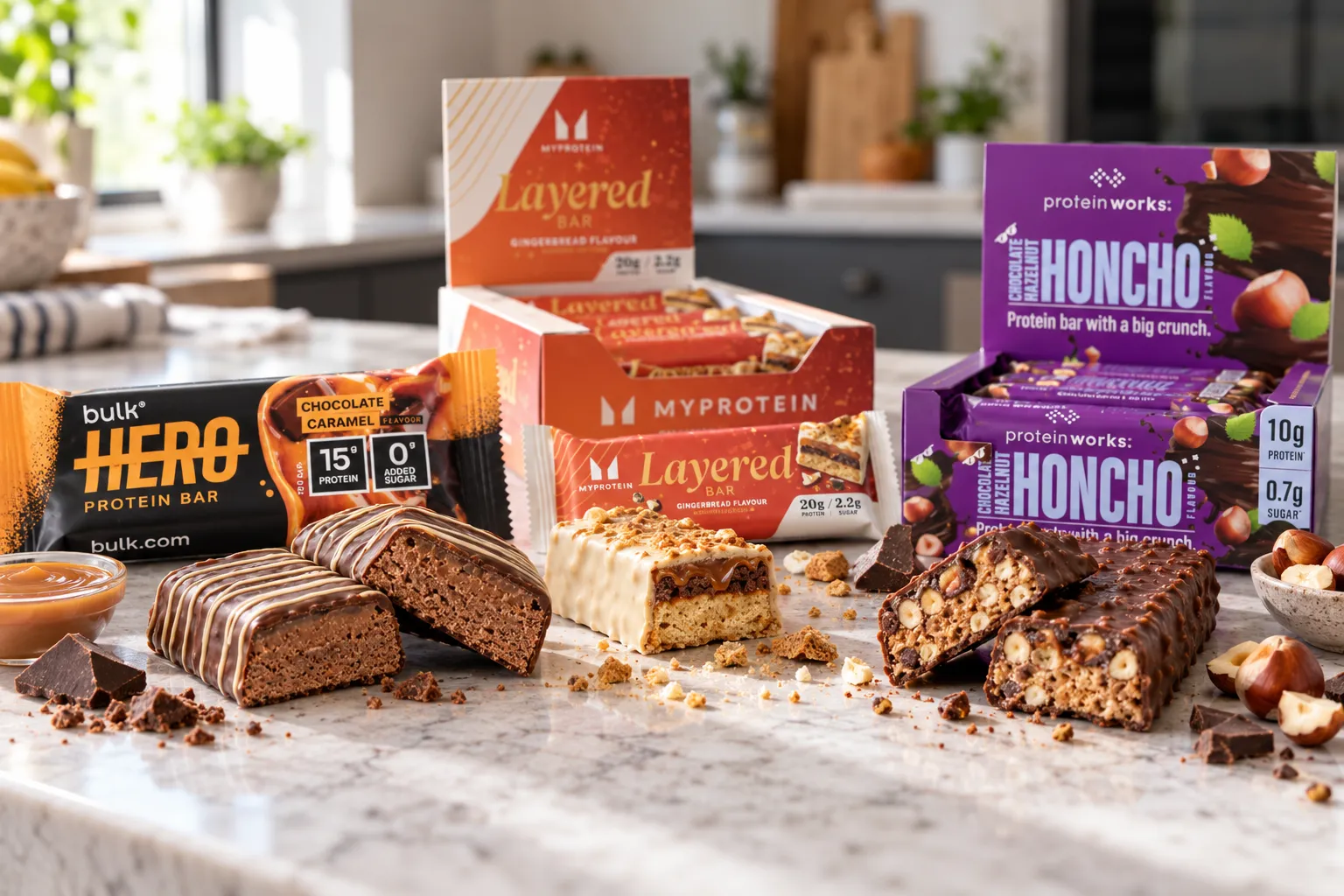
Protein bars taste artificial mostly because of what replaces the sugar: polyols such as maltitol, usually paired with an intense sweetener such as sucralose. Polyols are also the usual reason bars cause wind and bloating. The Myprotein Layered Bar in Hotel Chocolat Salted Caramel has no maltitol and no intense sweetener.
8 min read
When to Eat a Protein Bar: Around Training, Snacks and Long Days
A protein bar works before training, after it or as a snack if it fills a real gap in your protein. Timing matters less than total daily protein, which the ISSN puts at 1.4 to 2.0g per kg of body weight for people who train. This guide covers each use, from training to long days.
6 min read
Can You Eat Protein Bars Every Day? How Many and What to Watch
One protein bar a day is a reasonable habit for most gym-goers if the rest of the diet is mainly whole food. The sweetener decides how a bar sits, because polyols such as maltitol can cause wind and loose stools in larger amounts. Here is how many bars make sense and what the UK warning means.
7 min readFind your cheapest protein
783 products compared from 181 brands
Sorted by best value per 25g of protein.
Compare all products