Will Protein Powder Prices Go Down in the UK?
Nobody can promise that UK protein powder prices will fall. European whey concentrate rose about 120% between October 2025 and July 2026, and Rabobank's assessment is that the bottleneck is processing capacity, which takes years to add. Until that changes, buy on cost per 25g of protein rather than the bag price, and recheck it monthly.
Kevin, founder of WheyWise
Biggest fall since August
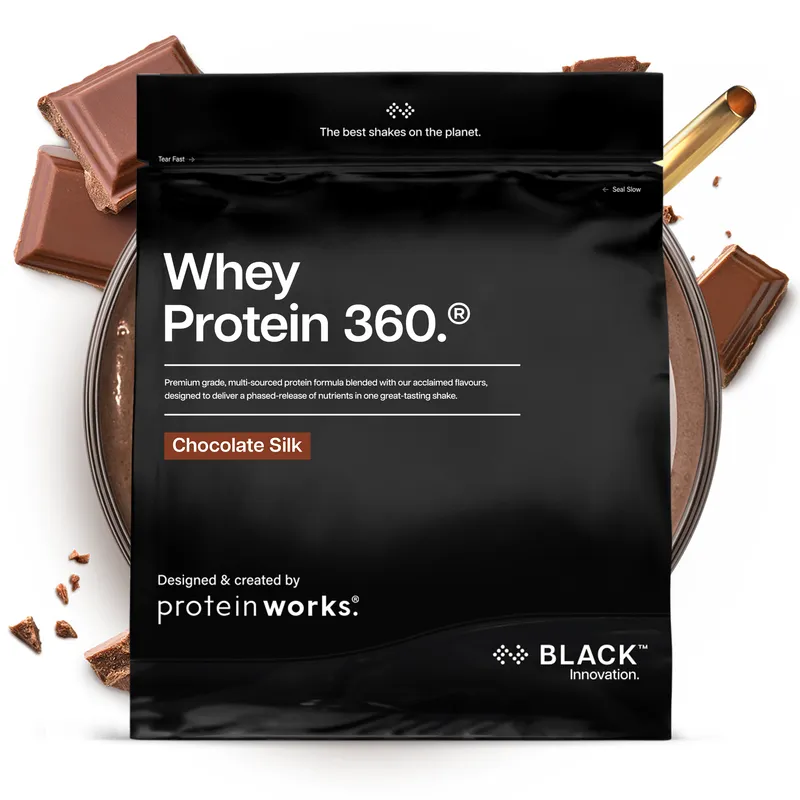
Protein Works
Whey Protein 360 Black
2.4kg bag
Buy Whey Protein 360 Black →Direct from Protein Works
Quick answer
Nobody can promise that UK protein powder prices will go down, and the sources behind our price history do not point that way yet. European whey protein concentrate rose about 120% between October 2025 and July 2026, and the bottleneck is the capacity to turn liquid whey into concentrate, which takes years to add rather than a season. The useful answer is to stop waiting for a fall and buy on cost per 25g of protein, because that figure has moved in both directions on UK shelves since August. If you buy one brand regularly, check it against the market each month rather than against what you paid last year.
Nobody can promise that UK protein powder prices will go down, and the wholesale figures we hold show no turn so far. The rise itself is covered in our piece on whey protein prices in 2026. This article covers the next question: what would have to change, what the sources say about it, and what you can do while prices stay high.
What would have to change for protein powder to get cheaper?
Two things would need to move, and neither moves quickly. The first is processing capacity, meaning the facilities that convert liquid whey into concentrate and isolate. Adding that capacity is a multi-year capital project, not a seasonal adjustment.
The second is milk supply. Cheese-making produces whey as a co-product, so the amount of whey depends on how much milk goes into cheese. Global milk supply growth slowed from 2.6% in 2025 to 0.2% by early 2026, and GB production is forecast to fall 0.6% in 2026/27 after rising 4.9% in 2025/26, which is the wrong direction for an easing.
Demand is the third pressure, and it is still growing. Demand is compounding at double digits in the supplement category and at high single digits in mainstream high-protein food, so any extra supply would have to meet a market that is still expanding.
The squeeze is also specific to whey. Between September 2025 and February 2026 whole milk powder fell about 30%, dairy fats about 40%, and skimmed milk powder, cheese and whey powder about 15%, while whey protein concentrate rose sharply. That is why a general easing in dairy has not been enough to pull protein prices down.
If you want to know when a turn is under way, the sources point at three things to watch. The first is whether processing capacity is being added, the second is whether the milk forecasts are revised upwards, and the third is whether independent benchmark prices start to fall. None of these is a promise, but together they are a better guide than a sale banner.
What do the sources say about the outlook?
None of the sources we rely on promises a fall. The clearest line in our commodity analysis is that nothing in the current signals points to a quick unwind. The full series and the reasoning sit in what actually drives UK protein powder prices.
One development points to a market settling rather than spiking, though it is not a forecast. DCA Market Intelligence launched European whey protein benchmarks on 8 April 2026, assessing WPC80 at €20,250 a tonne and WPI90 at €25,750. Independent benchmarks tend to appear when a market becomes large and volatile enough to need them.
Some of the increase is brand pricing, not only cost. Glanbia, which owns Optimum Nutrition, reported first-half 2026 Performance Nutrition growth of 6.7% in constant currency, made up of 9.3% volume growth and 7.6% pricing. Volume and price rising together means the increases are being absorbed rather than resisted.
Have UK shelf prices come down since August?
Some have, and the split is worth understanding. Comparing the last price we recorded on or before 21 August 2026 with the latest price taken between 24 September and 4 October 2026, 59 of 219 in-stock protein products rose by more than 3%, 44 fell by more than 3% and 116 stayed within 3% either way.
Bulk and MyProtein were the brands that only moved up between April and August, and both came down. All 14 Bulk products that moved fell, by an average of 11.4%, and all 8 MyProtein products that moved fell, by an average of 10.2%. Applied Nutrition went the other way, rising on 9 of the 12 products we compared, by an average of 13.8% among those that moved.
| Brand | Products compared | Down | Up | Average move, products that moved |
|---|---|---|---|---|
| Bulk | 15 | 14 | 0 | -11.4% |
| MyProtein | 13 | 8 | 0 | -10.2% |
| Applied Nutrition | 12 | 0 | 9 | +13.8% |
Last price on or before 21 August 2026 against the latest price between 24 September and 4 October 2026. Protein categories, in stock at the later check, moves above 3% only.
That is shelf movement. The wholesale series in our price history stops at July 2026, so it cannot tell you whether the ingredient itself has started to turn. For the brand-by-brand detail, read which protein brands put prices up in 2026, and for live movement check the protein price tracker.
What can buyers do while prices stay high?
Start with cost per 25g of protein, because the bag price cannot tell you which size or brand is the better buy. Protein density runs from 56g to 90g per 100g across the products in our price guide, so a kilogram of one product can contain more than half as much protein again as a kilogram of another at the same shelf price. The benchmark bands are in how much protein powder should cost in the UK.
Bigger packs usually cost less per gram, but check every size. Optimum Nutrition Gold Standard 100% Whey costs £1.39 per 25g of protein in the 2.27kg tub on Amazon and £1.23 in the 4.5kg tub, so the larger tub is about 11% cheaper per gram. For the wider size question, see 1kg, 2kg and 5kg tubs compared.
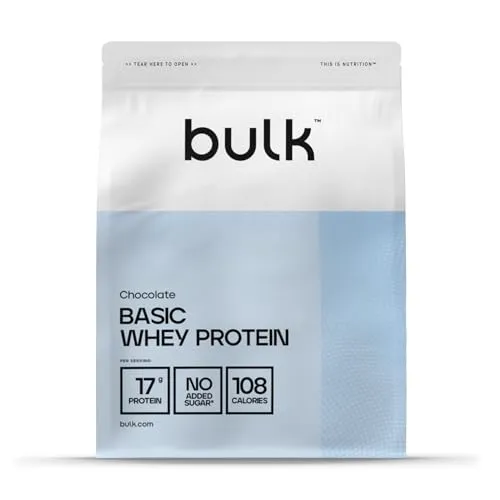
Look at the blend before you look at the price. Bulk Basic Whey is a whey and soya blend with 56g of protein per 100g, and it costs about 59p per 25g of protein in the 2.5kg bag at £32.99 on Amazon, at prices recorded between 24 September and 4 October 2026. Several of the very cheapest products sold as protein are soy or wheat blends rather than whey, and the product name will not always tell you.
A subscription is only a saving if its price beats the one-off price. Protein Works runs an OnTap subscription on some products, and the figure in its feed for those is the subscription price rather than the one-off price. Myprotein's terms say its special offers do not apply on top of Subscribe and Save, apart from spend thresholds, so read the terms before you assume the discounts add up.
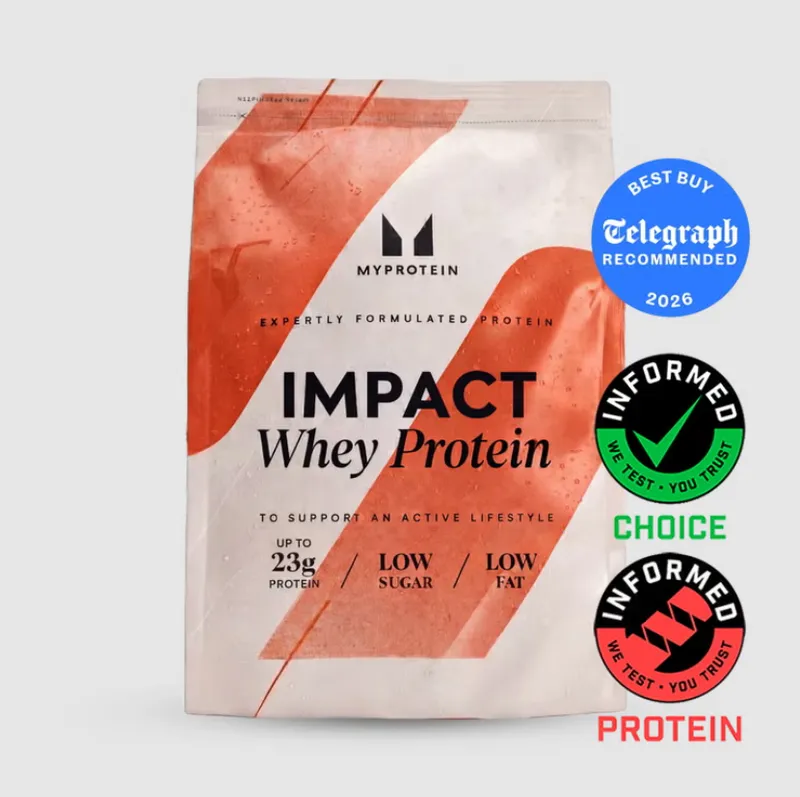
A code lowers what you pay at checkout, but it does not change the listed price we record. That is why our figures measure the shelf rather than the code, and why you should check the checkout total before you decide. The Impact Whey card below is the one we use as a yardstick.
The yardstick for mainstream whey
MyProtein Impact Whey Protein Powder
900g bag
A benchmark rather than the cheapest route. At its 3.6kg size it sits above £1 per 25g of protein before any code, so it is the figure to beat, not the figure to chase.
or compare all UK prices →The yardstick for mainstream whey
Pros
- + About 72g of protein per 100g
- + Still around £1.16 per 25g of protein at its 3.6kg size before any code
Cons
- – Above £1 per 25g of protein at its 3.6kg size, so it is no longer the cheap default
- – A code does not change the listed price we record, so check the checkout total
●Nutrition per scoop · 21.6g protein in 30g▼
Protein makes up 72%
of this 30g scoop · 113 kcal total
Prices are not the only thing that can move, since a smaller pack or a bigger scoop can cost you protein without changing the sticker. Our guide to protein powder shrinkflation in the UK shows what to check on the label.
To see where a fair price sits, read how much protein powder should cost in the UK and then check the cheapest protein powder comparison. For the cause of the rise, go back to whey protein prices in 2026, and for timing, read our guide to the best time to buy protein powder in the UK.
Frequently asked questions
Will protein powder prices go down in the UK?
Nobody can promise that they will. The wholesale series behind our price history runs to July 2026, and it shows European whey protein concentrate rising about 120% since October 2025. Some UK shelf prices fell after August, but that is shelf movement, not evidence that the ingredient has turned.
What would have to change for whey protein to get cheaper?
Processing capacity would need to grow, to turn liquid whey into concentrate and isolate, and that is a multi-year capital project. Milk supply would also need to recover, because whey comes from cheese, and GB milk production is forecast to fall 0.6% in 2026/27.
Did protein powder prices fall after August 2026?
Some did. Of 219 in-stock protein products we compared, 59 rose by more than 3% and 44 fell by more than 3%, between the last price we recorded on or before 21 August 2026 and the latest one, taken between 24 September and 4 October 2026. Bulk and MyProtein, which had risen earlier in 2026, were among the brands that came down.
Is protein powder cheaper in a bigger bag?
Usually, as long as you will finish it. Optimum Nutrition Gold Standard 100% Whey costs £1.39 per 25g of protein in the 2.27kg tub on Amazon and £1.23 in the 4.5kg tub, but the bigger bag is not always cheaper, so check the per-gram figure on every size.
Should I wait for a sale before buying protein powder?
Sales are real, but waiting for one is a bet, since the sources do not promise a fall. Check cost per 25g of protein each month, and buy when your product is at its lowest recent price rather than at the price you last paid.
Related reading
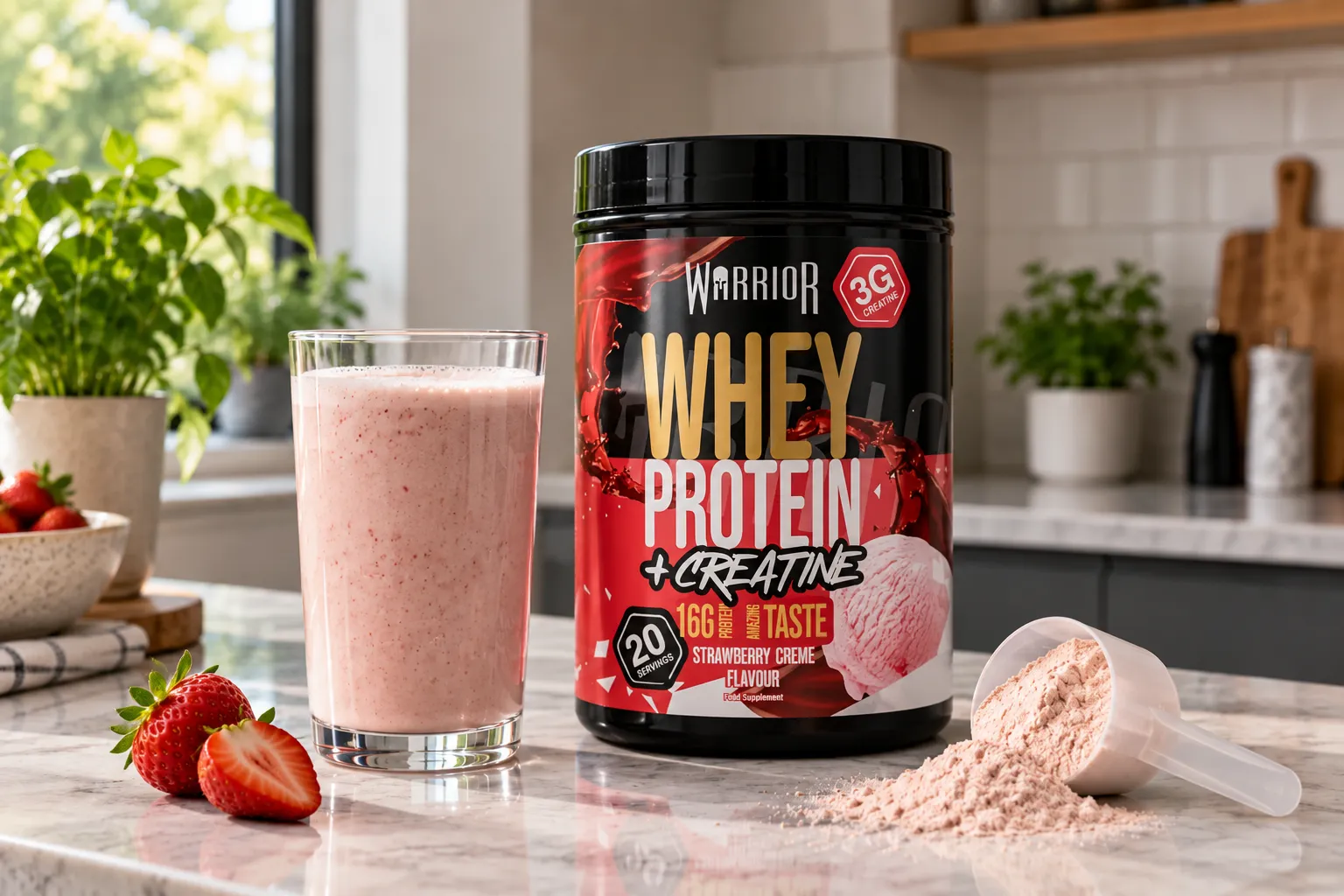
Is Warrior Protein Expensive? What Warrior Whey Costs Per 25g of Protein
Warrior Whey costs £1.16 per 25g of protein in its cheapest in-stock bag, and its cheap 1kg and 2kg sizes are sold out. What Warrior costs per scoop, how it compares with Myprotein, Bulk and Optimum Nutrition, and the cheaper Warrior protein most people miss.
8 min read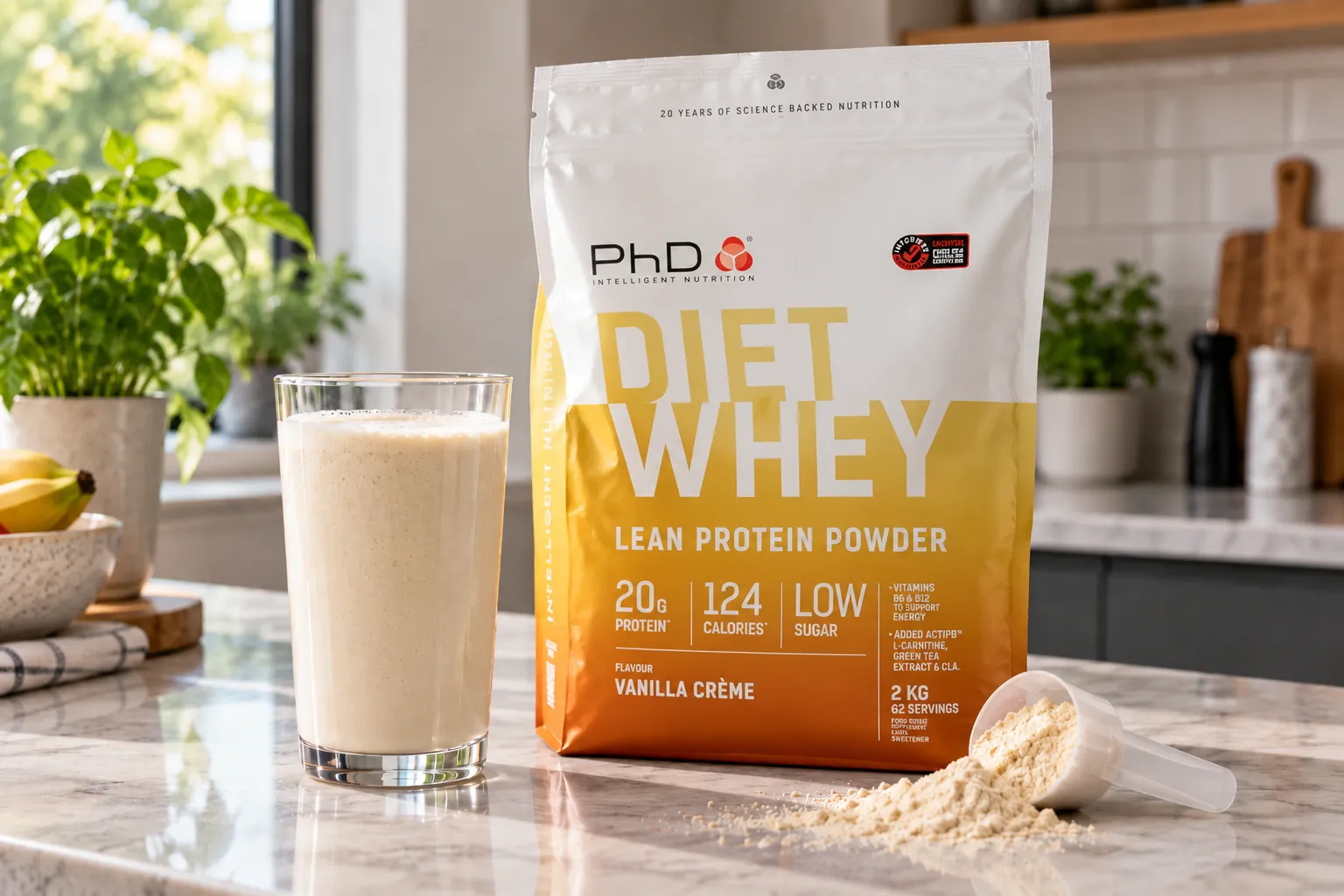
Is PhD Protein Expensive? What Diet Whey Really Costs Per 25g of Protein
Yes, PhD Diet Whey is expensive for the amount of protein you get. It costs £1.13 per 25g of protein in its cheapest pack, the 2kg Belgian Chocolate bag at £56.00 on Amazon, which is 17.8% more than Myprotein Impact Whey and 22% more than Bulk Pure Whey.
8 min read
Which Protein Brands Put Prices Up in 2026, and Which Did Not
Sixty-one UK protein products changed price by more than 3% between April and August on our own tracking, and two of the biggest brands moved in one direction only. Then we measured again: what has moved since August, and which brands reversed.
9 min readFind your cheapest protein
783 products compared from 181 brands
Sorted by best value per 25g of protein.
Compare all products