Protein Powder Shrinkflation in the UK: What to Check on the Label
Protein powder shrinkflation is when you pay the same and get less protein, through a smaller pack, a bigger scoop or a cheaper blend. The front of the bag often looks unchanged. Compare cost per 25g of protein, read protein per 100g and check the ingredients before you judge a tub by its price.
Kevin, founder of WheyWise
Quick answer
Shrinkflation in protein powder is hard to see from the front of the bag, so judge every tub on cost per 25g of protein rather than its sticker price. The three routes to less protein for the same money are a smaller pack, a bigger scoop that dilutes protein per 100g, and a cheaper protein blended in. Bulk Basic Whey shows why the label matters: it is a whey and soya blend with 56g of protein per 100g, a fair buy only if you know that is what you are getting. Read protein per 100g, work out the grams of protein in the pack, and only then compare the price.
Price rises get the headlines, but shrinkflation is the quieter way a tub can cost more without the sticker moving. Our main piece on whey protein prices in 2026 explains why the ingredient got dearer, and this article covers what a brand can change without touching the price on the front. The test is what you get for the same money, which means cost per 25g of protein.
What does protein powder shrinkflation look like?
It rarely shows up as a headline price rise. There are three common routes, and none of them is obvious from the front of the bag.
- A smaller pack at the same price. You get less powder for the same sticker, and the change is easy to miss if you buy by habit.
- A bigger scoop. The advertised protein per serving can stay put while the protein per 100g falls.
- A cheaper protein in the blend. Some of the cheapest tubs labelled as protein are soy or wheat blends rather than whey.
The last of those is not always shrinkage, since a blend can be fair value at a fair price. It is the one to check, because the name on the tub often stays the same while the ingredients do the work.
Why does the scoop matter more than the bag?
A per-serving figure tells you what one scoop contains, and it can stay the same while the tub gets worse value. A brand can leave the advertised protein per serving unchanged while reducing protein per 100g, simply by making the scoop bigger.
The front of the bag reads the same and every kilogram you buy contains less protein, which is exactly what a per-100g figure catches. Protein density runs from 56g to 90g per 100g across the products in our price guide, so a kilogram of one product can hold more than half as much protein again as a kilogram of another at the same shelf price.
What does a cheaper blend do to the label?
Some of the cheapest products sold as protein are not whey, and the name on the tub will not always tell you. Several of the very cheapest products are soy or wheat blends, so the label rather than the price decides what you are getting.
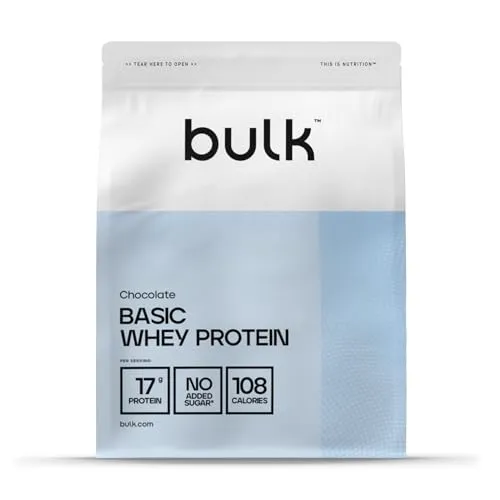
Bulk Basic Whey is the example to keep in mind. It is a whey and soya blend with 56g of protein per 100g, and it is a reasonable compromise on price at about 64p per 25g of protein in the 2.5kg bag at £35.99 on Amazon. Before 21 August the same bag was £35.99, or about 64p per 25g, so the price moved while the blend stayed the same.
The blend to read on the label
Bulk Basic Whey Protein
1.25kg bag
A reasonable compromise on price if a whey and soya blend suits you. Check the protein per 100g on the bag, then the cost per 25g, before you buy.
or compare all UK prices →The blend to read on the label
Bulk Basic Whey Protein
1.25kg bagPros
- + 56g of protein per 100g from a whey and soya blend, so the label is the first thing to read
- + From a brand with a UK trading history and a customer service department
Cons
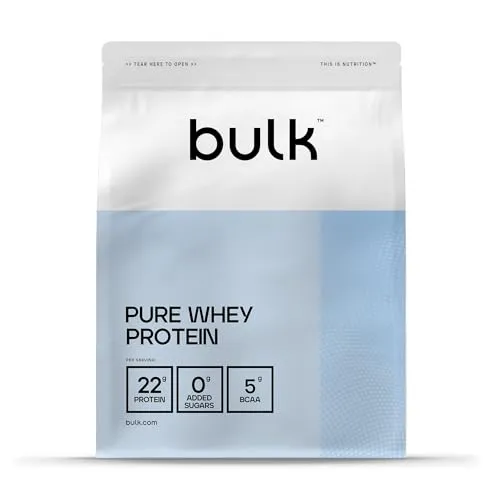
- – Less protein per 100g than Bulk Pure Whey at 71g
- – A blend rather than a pure whey, so the label matters more than the name
●Nutrition per scoop · 16.8g protein in 30g▼
Protein makes up 56%
of this 30g scoop · 92 kcal total
Which label figures should you compare?
Three figures matter on the nutrition panel. Protein per 100g is the one that catches a bigger scoop, grams of protein per serving tells you what one shake gives you, and the serving size tells you how much powder that shake uses.
Two tubs can print the same grams of protein per serving while using different scoop sizes, and only the per-100g figure shows which one contains more protein. Check the servings per tub as well, because fewer servings for the same price is the other common way shrinkage shows up.
Once you have the protein per 100g and the price, the sum in the steps below does the rest. Run it for the size you are considering and for the sizes either side, because the cheapest size is not always the biggest.
How do you check a tub in under a minute?
Four steps work on any brand. Read the protein per 100g from the label, not the figure on the front, and then turn that into grams of protein in the pack.
- Read the protein per 100g from the nutrition panel, not the per-scoop figure on the front.
- Work out the grams of protein in the pack: pack weight in grams, multiplied by protein per 100g, divided by 100.
- Divide the price by the grams of protein, then multiply by 25 to get the cost per 25g of protein.
- Check the ingredient list for whey, and only then compare the result with other tubs.
The worked example is Bulk Basic Whey in the 2.5kg bag. 2,500g at 56g per 100g is 1,400g of protein, and £35.99 divided by 1,400g, then multiplied by 25g, comes to about 64p per 25g. The same sum on each size of each brand is the only reliable way to compare tubs.
The protein powder price comparison UK applies that sum to every product we track each month. Compare your result with the bands in how much protein powder should cost in the UK.
Does a bigger tub always cut the cost per gram?
Usually, but the exception is common enough to check every time. On Myprotein's own site, Impact Whey Isolate in Chocolate Caramel cost £48.99 for 1kg and £217.49 for 4.05kg, which made the big bag about 10% dearer per gram.
| Pack | Price | Price per kg |
|---|---|---|
| 1kg, Chocolate Caramel | £48.99 | £48.99 |
| 4.05kg, Chocolate Caramel | £217.49 | £53.70 |
Myprotein's own site. Price per kg is calculated from the two prices shown: £217.49 divided by 4.05kg.
So the size on its own tells you nothing, and the per-gram figure is the only number that does. The 1kg, 2kg and 5kg tub comparison covers the wider question of which size to buy.
Is a price rise the same as shrinkflation?
No, although the two often arrive together and both leave you with less for your money. A price rise moves the sticker, while shrinkage changes the amount inside the same sticker.
Price rises are real in this market. Myprotein Impact Whey costs more per 100g in April 2026 than it did in April 2025, even at the same percentage discount.
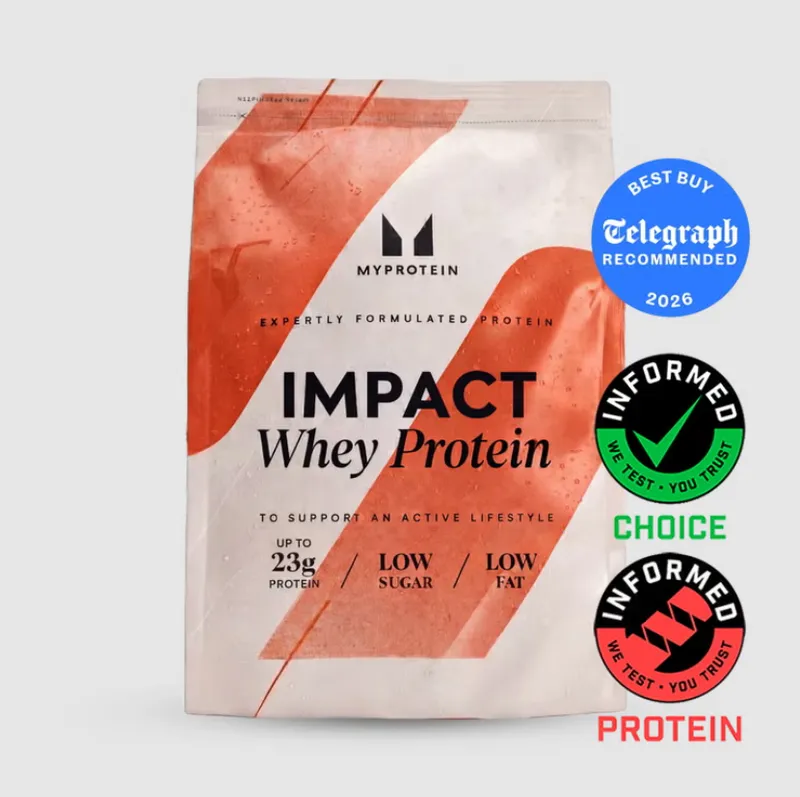
The yardstick for protein per 100g
MyProtein Impact Whey Protein Powder
900g bag
Check the protein per 100g on the label first, then the cost per 25g. At 72g per 100g it is the yardstick for this comparison.
or compare all UK prices →The yardstick for protein per 100g
Pros
- + About 72g of protein per 100g, the figure to compare any cheaper blend against
Cons
- – Above £1 per 25g of protein at its 3.6kg size before any code
●Nutrition per scoop · 21.6g protein in 30g▼
Protein makes up 72%
of this 30g scoop · 113 kcal total
For brand-by-brand movement, read which protein brands put prices up in 2026. The ingredient cost behind those rises is set out in what actually drives UK protein powder prices.
The sources behind this article do not document a pack or recipe change for any named brand, so we do not accuse one. What they do show is how far the shelf has moved: 59 of 219 in-stock protein products rose by more than 3% between 21 August and early October 2026.
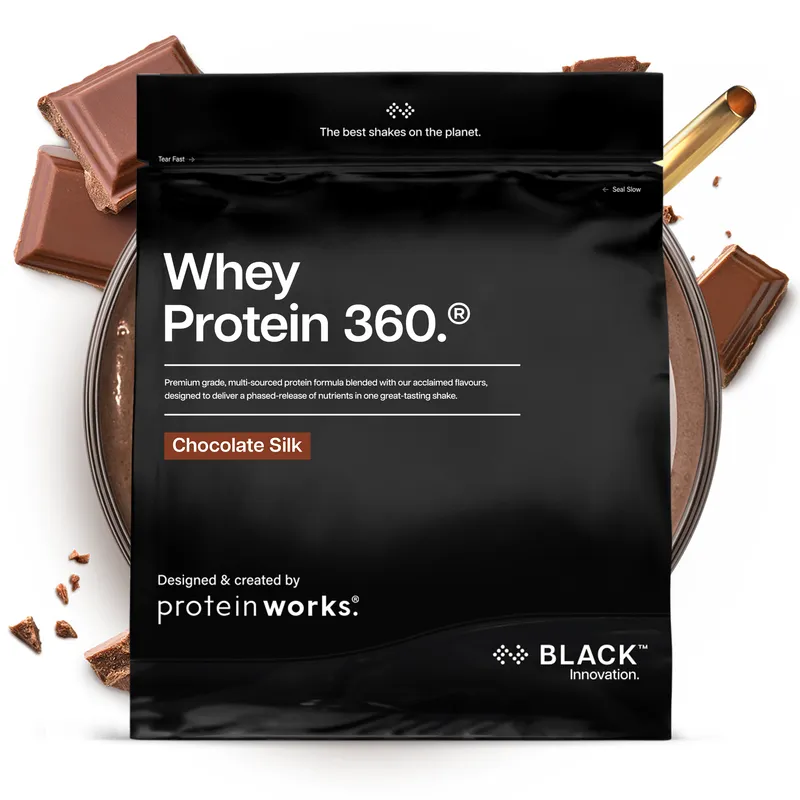
Protein density to compare against
Protein Works Whey Protein 360 Black
2.4kg bag
Protein density is the point here. At 59g per 100g it carries less protein per kilogram than Impact Whey, so cost per 25g decides it, and the subscription basis needs checking.
or compare all UK prices →Protein density to compare against
Protein Works Whey Protein 360 Black
2.4kg bagPros
- + 59g of protein per 100g, so the per-gram sum is the comparison that matters
- + Sold by Protein Works, which runs an OnTap subscription on some of its products
Cons
- – Less protein per 100g than Myprotein Impact Whey at 72g
- – On OnTap products the card can show the subscription price rather than the one-off price
●Nutrition per scoop · 17.7g protein in 30g▼
Protein makes up 59%
of this 30g scoop · 109 kcal total
If the rise is what you are seeing, whey protein prices in 2026 explains the cause, and the cheapest protein powder comparison ranks every product by cost per 25g of protein. For the outlook, read will protein powder prices go down in the UK, and for timing, see the best time to buy protein powder in the UK.
Frequently asked questions
What is protein powder shrinkflation?
It is when a tub, pouch or scoop gives you less protein for the same money, without a visible price rise. The usual routes are a smaller pack, a bigger scoop that lowers protein per 100g, or a cheaper protein blended in. The front of the bag often reads the same, so the label and a cost per 25g calculation are where to look.
How can I tell if a protein powder has shrunk?
Note the protein per 100g and the cost per 25g of protein for the tub you buy, then compare the next purchase with it. A cost per 25g that rises while the bag price stays the same is the clearest sign. Check the scoop weight too, because a bigger scoop can hide the change.
Is Bulk Basic Whey good value?
It can be, if you want a lower price from a recognised brand and accept a blend. It is a whey and soya blend with 56g of protein per 100g, and it costs about 64p per 25g of protein in the 2.5kg bag at £35.99 on Amazon.
Are the cheapest protein powders always blends?
Not always, but the cheapest tubs are the ones to read closely. Several of the very cheapest products sold as protein are soy or wheat blends rather than whey, and the product name will not always say so. Read the ingredients before you compare prices.
Does buying the biggest bag protect me?
Not on its own. Bigger bags are usually cheaper per gram, but check each size, because on Myprotein's own site Impact Whey Isolate in Chocolate Caramel cost £48.99 for 1kg and £217.49 for 4.05kg, about 10% dearer per gram in the big bag.
Related reading
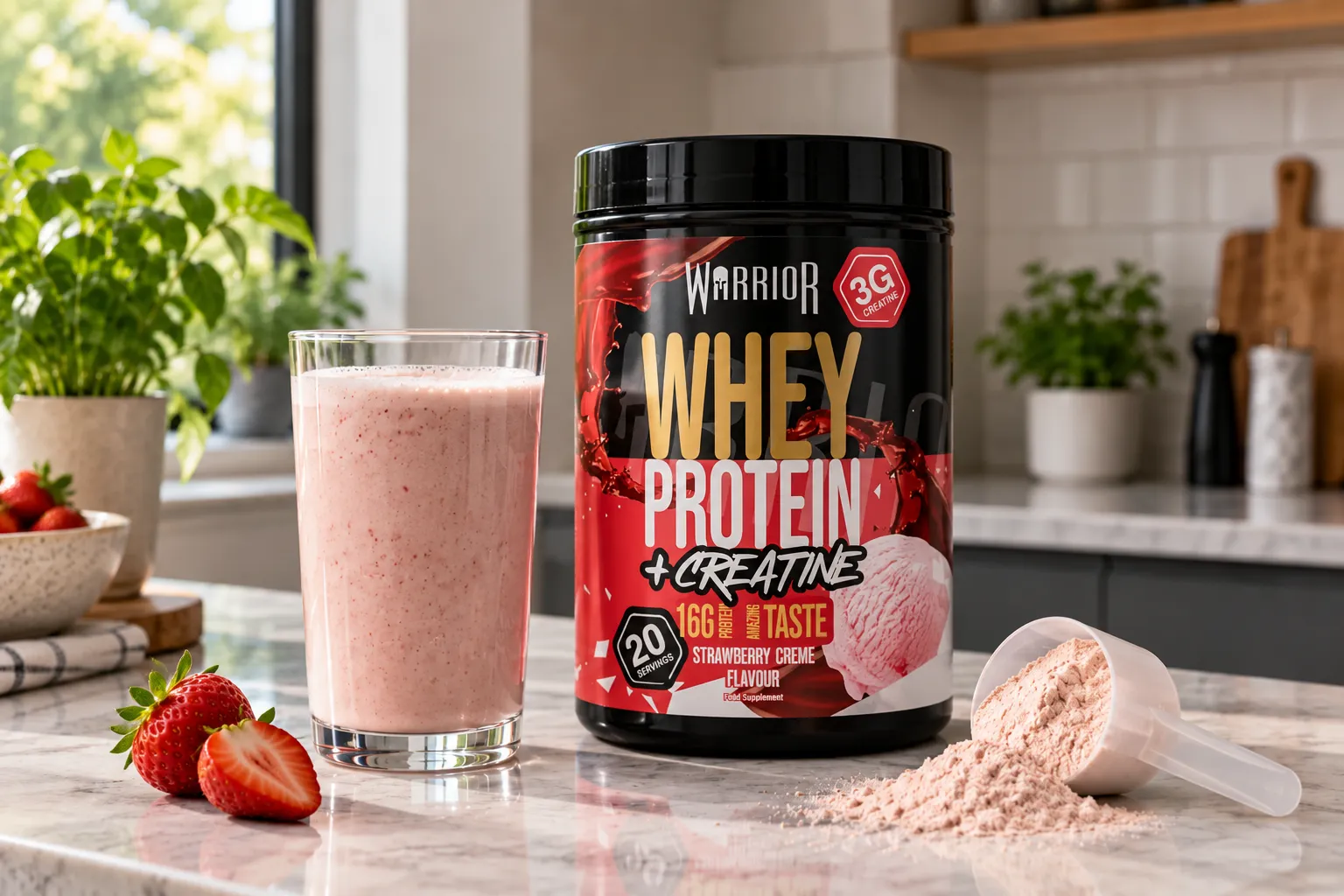
Is Warrior Protein Expensive? What Warrior Whey Costs Per 25g of Protein
Warrior Whey costs £1.16 per 25g of protein in its cheapest in-stock bag, and its cheap 1kg and 2kg sizes are sold out. What Warrior costs per scoop, how it compares with Myprotein, Bulk and Optimum Nutrition, and the cheaper Warrior protein most people miss.
8 min read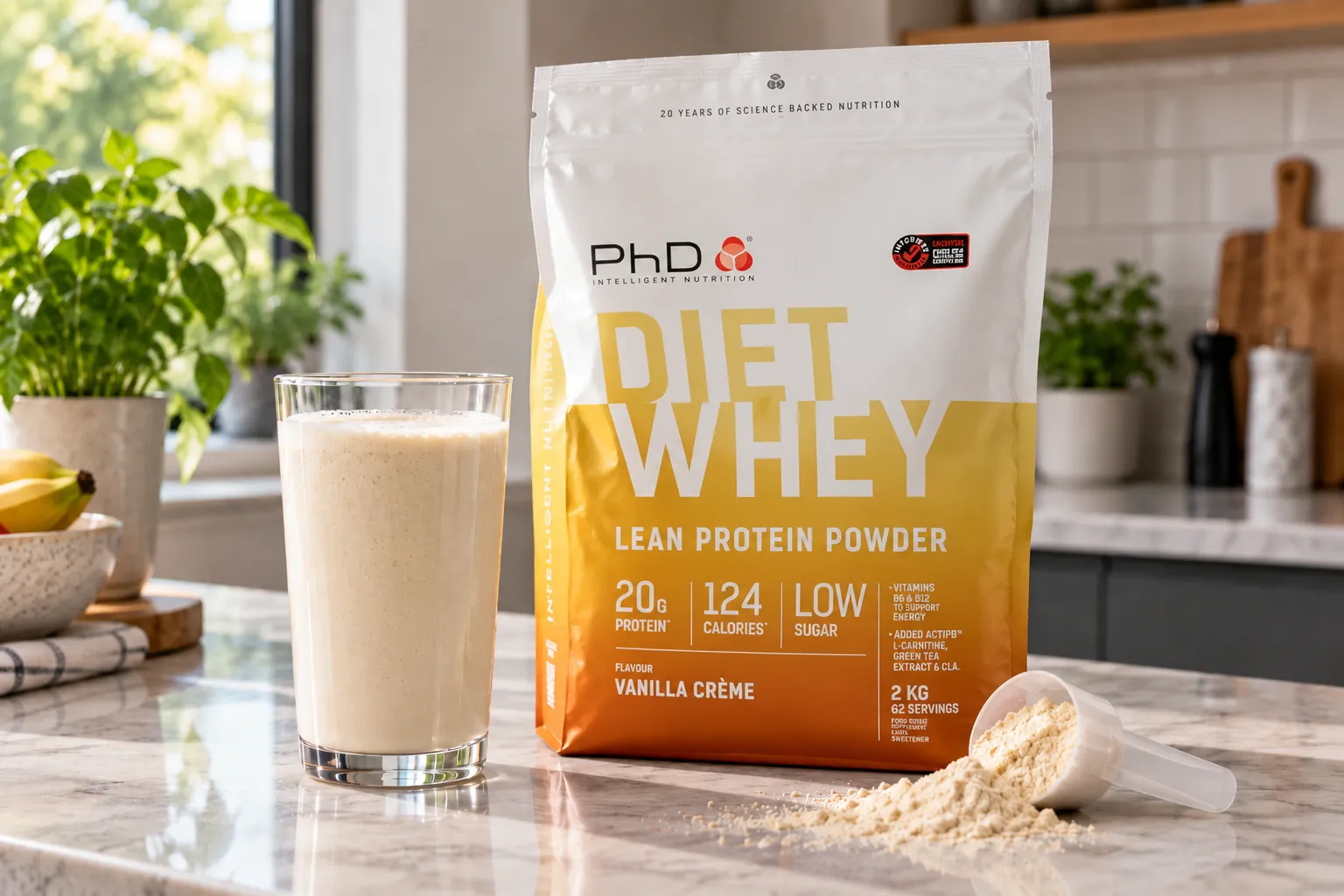
Is PhD Protein Expensive? What Diet Whey Really Costs Per 25g of Protein
Yes, PhD Diet Whey is expensive for the amount of protein you get. It costs £1.13 per 25g of protein in its cheapest pack, the 2kg Belgian Chocolate bag at £56.00 on Amazon, which is 17.8% more than Myprotein Impact Whey and 22% more than Bulk Pure Whey.
8 min read
Which Protein Brands Put Prices Up in 2026, and Which Did Not
Sixty-one UK protein products changed price by more than 3% between April and August on our own tracking, and two of the biggest brands moved in one direction only. Then we measured again: what has moved since August, and which brands reversed.
9 min readFind your cheapest protein
783 products compared from 181 brands
Sorted by best value per 25g of protein.
Compare all products