Quick answer
Pre-workout helps most when caffeine is the reason you take it, because caffeine has the clearest benefit on strength, power and perceived effort. The gain is real but modest, and it depends on dose, timing and sleep. Beta-alanine and citrulline matter for specific kinds of work, but neither turns a poor session into a good one on its own. If your sleep is poor or your programme is vague, a scoop will not fix that.
Yes, a pre-workout can make a session better, but the gain is smaller and more specific than the packaging suggests. Most of the measurable effect comes from caffeine, and the rest of the formula helps in narrower ways. If you are still choosing a product, start with our best pre-workout in the UK guide, then come back here to decide whether it is worth taking at all.
What does caffeine actually change in the gym?
Caffeine lowers perceived exertion, so a working weight feels lighter and the last reps feel less punishing. That matters because the feeling of effort is often what makes a set end early. The ISSN position stand links caffeine to better performance across strength, power and endurance work, which is why it is the ingredient with the clearest evidence behind it.
The effect depends on dose, and it wears off. Caffeine peaks in the blood 30 to 60 minutes after you take it, which is why most people drink a pre-workout 20 to 30 minutes before the first working set. A dose that suits one person can feel like too much for another, so the same scoop does not give the same result for everyone.
Many of the trials behind these figures use controlled lab conditions, and the caffeine is often given as a capsule rather than in a branded tub. That means the benefit you feel at home may be smaller, especially if you already drink coffee every morning. It is still worth having, but judge it against your own numbers rather than the promise on the label.
Does beta-alanine do anything within one session?
Beta-alanine raises carnosine in the muscle, and carnosine helps buffer the acid that builds up during efforts lasting roughly one to four minutes. That window covers many hard working sets, though it does not cover a single heavy rep. The benefit is about the muscle's capacity, not about how you feel in the next minute.
The catch is that beta-alanine works through a build-up over several weeks of daily use. A single dose before one session does little for that session, whatever the label implies. The tingle many people feel is harmless paraesthesia, and it is not a sign that the dose is working.
If you want to know whether beta-alanine is doing anything for you, track your reps on the same lift for a few weeks. Any gain you see will come from the build-up over time, not from a single scoop.
Is the citrulline pump doing anything useful?
Citrulline supports nitric oxide production and blood flow to working muscle, and that blood flow is the source of the pump. A pump feels good, and feeling strong can help you commit to a hard set. That feeling is real, even if it is not the same thing as more strength.
The research on citrulline and performance is less settled than the research on caffeine, so do not expect it to lift more weight on its own. Treat the pump as a bonus rather than the reason a session worked. If the pump is the main reason you buy a formula, it is worth checking the citrulline dose on the label before you pay for the flavour.
Citrulline appears in both stimulant and stim-free formulas, so it is not a reason to choose one over the other.
Does the training ritual count for anything?
Part of what a pre-workout gives you is a routine. Mixing the same drink, putting on the same playlist and walking to the same bench before each session can cue focus before the first set. Expectation changes how hard a set feels, and that is a real effect, even if it is not a chemical one.
This is the least discussed reason people notice a difference, and it is also the one that travels best. A routine still works if you swap to a cheaper formula or to a stim-free one. It does not work if the routine is only a cover for skipping the warm-up.
When does pre-workout make no difference?
Sleep is the biggest limit. Poor sleep blunts most of the gains a stimulant can give, and caffeine taken late in the day can cut into the sleep that recovery depends on. A scoop at 9pm is a poor trade for a slightly heavier set at 7pm.
Tolerance is the second limit. Daily stimulant use builds tolerance within one to two weeks, so the same scoop feels weaker than it did at the start. A cycle off the stimulant, or a stim-free day, usually restores the effect.
Under-dosing and a vague programme are the other two. A pre-workout that is light on caffeine or beta-alanine gives you less than a label that hits the research doses. No scoop can rescue a plan with no progression, and that is the one problem a supplement will never solve.
How should you test whether it works for you?
Run a simple test over a few weeks. Log your working weights and how hard each session felt while taking a stimulant pre-workout, then log the same things while taking nothing or a stim-free product, keeping sleep and training the same. If your numbers and effort ratings do not move, the pre-workout is not earning its price for you.
Keep the log simple: the working weight, the reps on your main lift, and a score out of ten for effort. A few weeks of consistent entries will show a pattern, which is more useful than any single session.
If evening sessions are the sticking point, a stim-free formula removes the main source of sleep trouble while keeping the pump ingredients. Our guide to stim-free pre-workout in the UK explains what these formulas still do. The card below is the stim-free option we would test first.
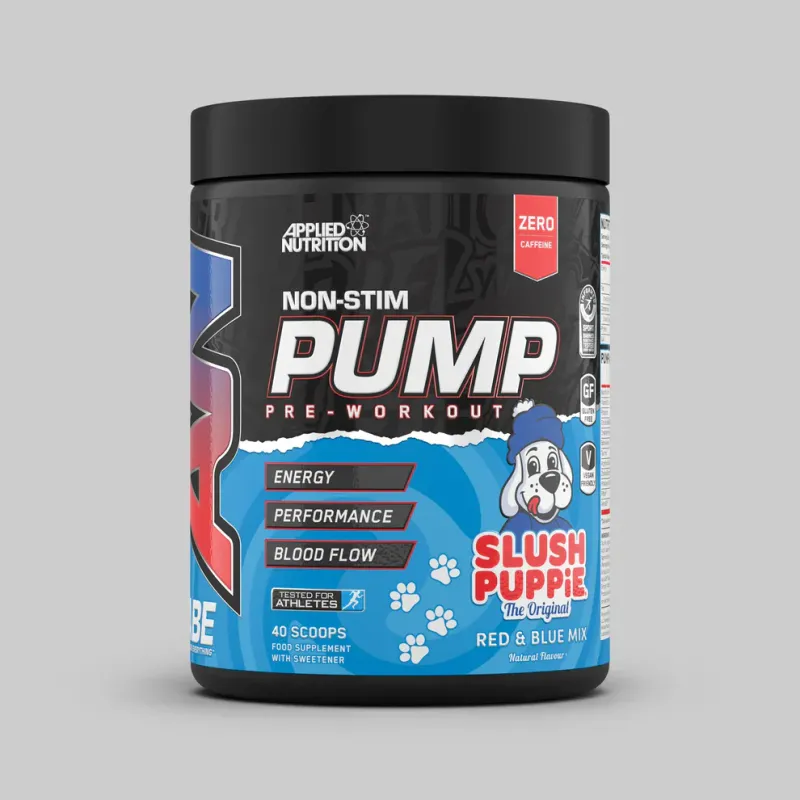
Stim-free for late sessions
Applied Nutrition ABE Pump Pre Workout
500g bag
The pump ingredients without the stimulant, for sessions late in the day.
Buy ABE Pump Pre Workout →Search Amazon for this productStim-free for late sessions
Pros
- + No caffeine, so a late session does not compete with your sleep
- + 10g citrulline malate, 3g beta-alanine and 3g creatine per serving
- + A 500g tub holds 20 full servings
Cons
- – Beta-alanine still causes the tingle
- – No caffeine, so it will not give the alertness of a stimulant formula
If you want to know whether caffeine is worth paying for at all, read our pre-workout vs coffee comparison. For the doses and the warning signs of too much stimulant, see pre-workout side effects. If heavy lifting is your focus, best pre-workout for weight training checks the label doses on the main UK options.
Once you have decided a pre-workout is worth it, pick the formula from our best pre-workout in the UK guide, and read what is in pre-workout if you want to know what each ingredient is doing in the tub.
Frequently asked questions
Does pre-workout actually work?
For most lifters, yes, and mainly through caffeine. The ISSN position stand reports benefits at roughly 3 to 6mg per kg of body weight, taken about 60 minutes before exercise. Beta-alanine and citrulline help in narrower ways, and neither replaces sleep or a sensible programme.
Do I need to feel the tingle for it to work?
No. The tingle comes from beta-alanine and is harmless paraesthesia. It is not a sign of strength, and not feeling it is not a sign that the product has failed.
Can you take pre-workout every day?
You can, but caffeine tolerance builds within one to two weeks. Cycling off the stimulant, or alternating with a stim-free session, keeps the caffeine effect worth having.
Is pre-workout better than coffee before training?
For caffeine alone, coffee does the same job for less money. Pre-workout adds citrulline, beta-alanine and sometimes creatine, so it is worth buying only if those ingredients matter to you.
Should I take pre-workout on rest days?
Not if it is a stimulant formula. The caffeine is the part that changes how a session feels, so on a rest day it only adds to your daily total. A stim-free product is the better choice if you still want the routine.