Best Vegan Protein Powder UK 2026: Ranked by Value & Protein
Best UK vegan protein powders in 2026: Form, Bulk Vegan, Protein Works Vegan 360 ranked by protein density, cost per 25g, and clean-label sourcing.
Kevin, founder of WheyWise
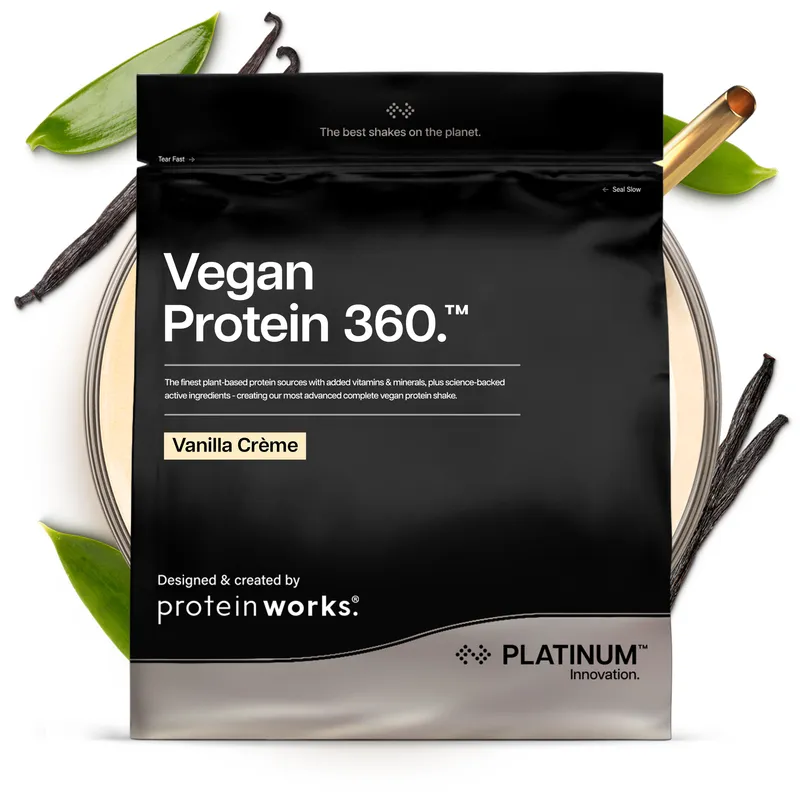
Best value
Protein Works
Vegan Protein 360 Platinum
1kg bag
Buy Vegan Protein 360 Platinum →Direct from Protein WorksQuick answer
For most people the best vegan protein powder in the UK is a pea and rice blend such as Bulk Vegan Protein, which gives a complete amino acid profile at 69g protein per 100g and is consistently the cheapest mainstream option. If taste is the priority, Protein Works Vegan Protein 360 (81g protein per 100g) is the pick. Based on WheyWise price tracking across the UK retailers we track, compare the live vegan protein ranking by cost per 25g of protein before buying.
A few years ago, vegan protein powder was an afterthought. Chalky, gritty, and low in protein per serving. That has changed. The best plant-based protein powders in the UK now rival whey for protein content, amino acid profile, and even taste. Whether you are vegan, lactose intolerant, or just looking for a dairy free protein powder, there are genuinely good options available.
This guide covers what to look for, which brands offer the best value, and whether vegan protein can actually match whey for building muscle. No hype - just honest recommendations based on real data.
Best vegan protein powder UK (2026)
Our top vegan picks right now, by need. All are dairy free with a complete or near-complete amino acid profile. Prices move weekly, so use the live link for today's cost per 25g of protein.
| Best for | Product | Protein / 100g | Live prices |
|---|---|---|---|
| Best value | Bulk Vegan Protein | 69g | Compare |
| Best taste | Protein Works Vegan 360 | 81g | Compare |
| Highest protein, low carb | Bulk Clear Vegan Protein | 80g | Compare |
| Budget single-source | Myprotein Pea Protein Isolate | 76g | Compare |
Why choose vegan protein powder?
The reasons people switch to plant based protein powder are straightforward. Lactose intolerance is the most common - roughly 5% of the UK population has some degree of dairy sensitivity, and many more experience bloating or discomfort from whey without realising the cause. A vegan protein shake removes dairy from the equation entirely.
Ethical and environmental concerns are the second driver. Plant-based protein production uses significantly less water and land than dairy farming. If you are already reducing animal products in your diet, switching your protein powder is one of the easier changes to make.
Then there is the practical side: modern vegan blends using pea and rice protein together deliver a complete amino acid profile that is comparable to whey. You are no longer making a meaningful sacrifice in protein quality. The gap has closed.
This is not just a product for vegans and vegetarians. Anyone who wants a dairy free protein powder - whether for gut comfort, skin issues, or personal preference - benefits from what plant-based protein offers in 2026.
What to look for in a vegan protein powder
Not all vegetarian protein powder is created equal. Here is what separates a good product from a mediocre one:
Protein per 100g. Aim for 70g or more of protein per 100g of powder. Some vegan protein powders are heavily padded with carbohydrates, fibre, or flavourings that bring the protein percentage down to 50-60g per 100g. That means you need a bigger serving to get the same amount of protein - and your bag runs out faster. Always check the nutrition label, not just the front-of-pack marketing.
Multiple plant sources. Pea protein combined with rice protein is the gold standard blend. Pea protein is rich in lysine and BCAAs but low in methionine. Rice protein fills that gap. Together, they create a complete amino acid profile that closely matches whey. Some brands add hemp, sunflower, or pumpkin seed protein for extra variety, but the pea-rice combination is the foundation you want.
Complete amino acid profile. Single-source vegan proteins (pea only, soy only) can be limiting in one or more essential amino acids. A blended product solves this. If a brand does not list the amino acid breakdown, that is a red flag.
Taste and texture. Vegan protein has improved hugely, but some brands are still gritty or chalky. This is the biggest complaint people have when switching from whey. Chocolate and salted caramel flavours tend to mask any plant taste best. If you are sensitive to texture, look for brands that specifically use finer-milled protein isolates.
Sweetener type. Most vegan protein powders use either stevia or sucralose. Stevia is natural but can leave a bitter aftertaste that some people dislike. Sucralose tastes more like sugar but is artificial. Neither is harmful at supplement doses - it comes down to personal preference. Some brands offer unsweetened versions if you prefer to add your own flavouring.
Best value vegan protein powders in the UK
Prices change weekly, so always check the live vegan protein price comparison before buying. Well-known brands are not always good value: Huel Complete Protein costs about twice as much per gram of protein as the cheapest blends, as our Huel protein review shows. That said, these brands consistently offer the best value for money:
Bulk Vegan Protein Powder. Bulk is one of the most reliable sources of cheap vegan protein powder in the UK. Their vegan blend uses pea and brown rice protein, delivers around 69g of protein per 100g, and is consistently priced below most competitors. Flavour options are limited compared to whey, but chocolate and strawberry are decent. If value is your priority, this is the one to start with.
Myprotein Pea Protein Isolate. A budget single-source option that works well if you are already supplementing with varied protein sources in your diet. At around 76g of protein per 100g, the protein density is excellent. The downside is that pea protein alone is not a complete protein - it is low in methionine. Taste is basic but inoffensive. Best bought during Myprotein's frequent sales events.
Protein Works Vegan Wondershake. If taste is your main concern, this is the one to try. Protein Works has invested heavily in flavour development for their vegan range. It uses a blend of pea, brown rice, and hemp protein. Protein content is slightly lower per 100g than the budget options, but for people who have given up on vegan protein because of taste, this is the product that changes minds.
Prices across all these brands fluctuate depending on sales, bag size, and stock levels. The vegan protein comparison page tracks them all in real time so you can compare cost per 100g before buying.
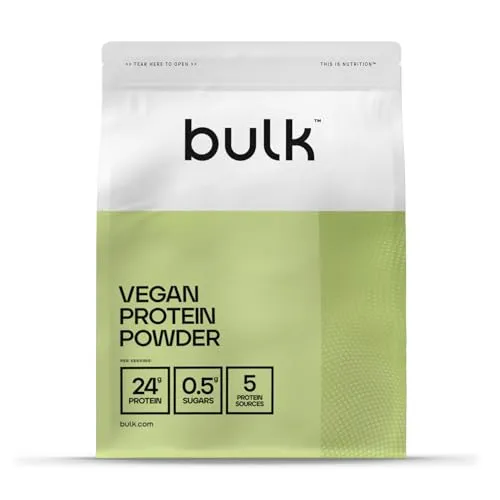
Bulk Vegan Protein Powder
1kg bag
Pea and faba bean dairy free blend from Bulk delivering 23g protein per scoop. Soy free, consistently the cheapest mainstream UK vegan protein during their weekly sales.
or compare all UK prices →Bulk Vegan Protein Powder
1kg bagPros
- + Competitive price for vegan
- + Pea and faba bean blend
- + 23g protein per serving
- + No soy allergen concerns
Cons
- – Slightly gritty plant texture
- – Earthy aftertaste some flavours
- – Lower leucine than whey
●Nutrition per scoop · 24.1g protein in 35g▼
Protein makes up 69%
of this 35g scoop · 115 kcal total
Protein Works Vegan Protein 360 Platinum
1kg bag
Protein powder from Protein Works. Compare prices across UK retailers.
or compare all UK prices →Pros
- + Very high protein content
- + Plant-based, dairy-free
Cons
- – Premium price point
●Nutrition per scoop · 29.1g protein in 35g▼
Protein makes up 83%
of this 35g scoop · 133 kcal total
Can vegan protein match whey for building muscle?
For soy, yes. A 2025 meta-analysis of 30 randomised trials found a small overall advantage to animal protein for muscle mass and none at all when the plant protein was soy, plus no difference for strength in any comparison. Pea and rice score lower on protein quality, so a single-source pea or rice powder needs a larger scoop to match a whey serving.
We have covered that comparison in full in vegan protein vs whey protein, including the DIAAS scores, the individual trials and the current UK prices on both sides. The rest of this guide is about which vegan powders to actually buy.
For a detailed breakdown of whey types, see the whey isolate vs concentrate comparison. If you are choosing between whey and vegan for muscle building specifically, whey has a marginal advantage - but vegan protein is more than good enough for the vast majority of people.
Common mistakes when buying vegan protein
These are the errors people make most often when switching to plant based protein powder:
Buying single-source pea or rice protein. Pea protein on its own is low in methionine and rice protein is low in lysine, so each scores below a blend on protein quality. Look for pea plus rice at minimum. Soy is the exception: it is a complete protein on its own, scoring a DIAAS of 91 against 85 for whey in a 2020 analysis, so a soy-only powder does not need blending. See what is a complete protein for the full table.
Ignoring protein per 100g. Some vegan powders look cheap until you realise the protein content is only 55-60g per 100g. The rest is carbohydrates, fibre, and flavouring. You end up needing a bigger scoop to get the same protein, and the bag runs out faster. Compare products on a per-100g-of-protein basis, not bag price.
Expecting it to taste like whey. It will not. Vegan protein has a different texture and flavour profile. Some people love it, some tolerate it, and some never get used to it. That is fine. Try chocolate or salted caramel first - they tend to be the most palatable across brands. Do not judge all vegan protein by one bad experience with an unflavoured pea protein isolate.
Paying a premium for "organic" protein. Organic certification on protein powder often means lower protein content per 100g because the processing is less aggressive. You are paying more for less protein. Unless organic sourcing is genuinely important to you for ethical reasons, the conventional version of the same product is usually better value and higher in protein.
How to find the cheapest vegan protein in the UK
The cheapest vegan protein powder is not always the one with the lowest bag price. You need to compare by cost per 25g of protein - that accounts for differences in bag size, serving size, and protein percentage. A £30 bag with 75g of protein per 100g can work out cheaper per serving than a £20 bag with 55g of protein per 100g.
WheyWise tracks vegan protein prices across every UK retailer we track and normalises everything to cost per 100g so you can compare fairly. Check the vegan protein price comparison for today's cheapest options.
For active discount codes and promotional deals, visit the deals and discount codes page. Many vegan protein brands run frequent sales - Myprotein in particular discounts their plant range heavily during payday sales and seasonal events.
Buying bigger bags always improves the per-serving price. A 2.5kg bag typically costs 15-25% less per 100g than a 1kg bag of the same product. If you know you like a product, buy the largest size available.
Whether you are looking for protein for vegetarians, a dairy free alternative, or simply the cheapest vegan protein shake available, the key is to compare on protein content and normalised cost - not marketing claims or bag size.
Vegan protein powder FAQs
What is the best vegan protein powder in the UK?
For most people a pea and rice blend such as Bulk Vegan Protein is the best all-round choice: a complete amino acid profile at around 69g protein per 100g and consistently the cheapest mainstream option. Protein Works Vegan Protein 360 is the pick if taste matters most.
Is vegan protein as good as whey for building muscle?
Almost. Whey has a slight edge on absorption speed and leucine content, but modern pea and rice blends have a complete amino acid profile and trigger muscle protein synthesis. When total daily protein is matched, studies find no significant difference in muscle or strength gains.
What is the cheapest vegan protein powder in the UK?
It changes weekly, but Bulk Vegan Protein is usually the cheapest mainstream option, especially in larger bags. Compare by cost per 25g of protein rather than bag price, since protein density varies a lot between vegan powders. See the live vegan protein ranking for today's cheapest.
Is pea protein a complete protein on its own?
Not quite. Pea protein is high in lysine but low in methionine, so a pea-only powder is technically incomplete. Pairing it with rice protein fills the gap, which is why blended pea and rice powders are the recommended choice for vegans.
Related reading
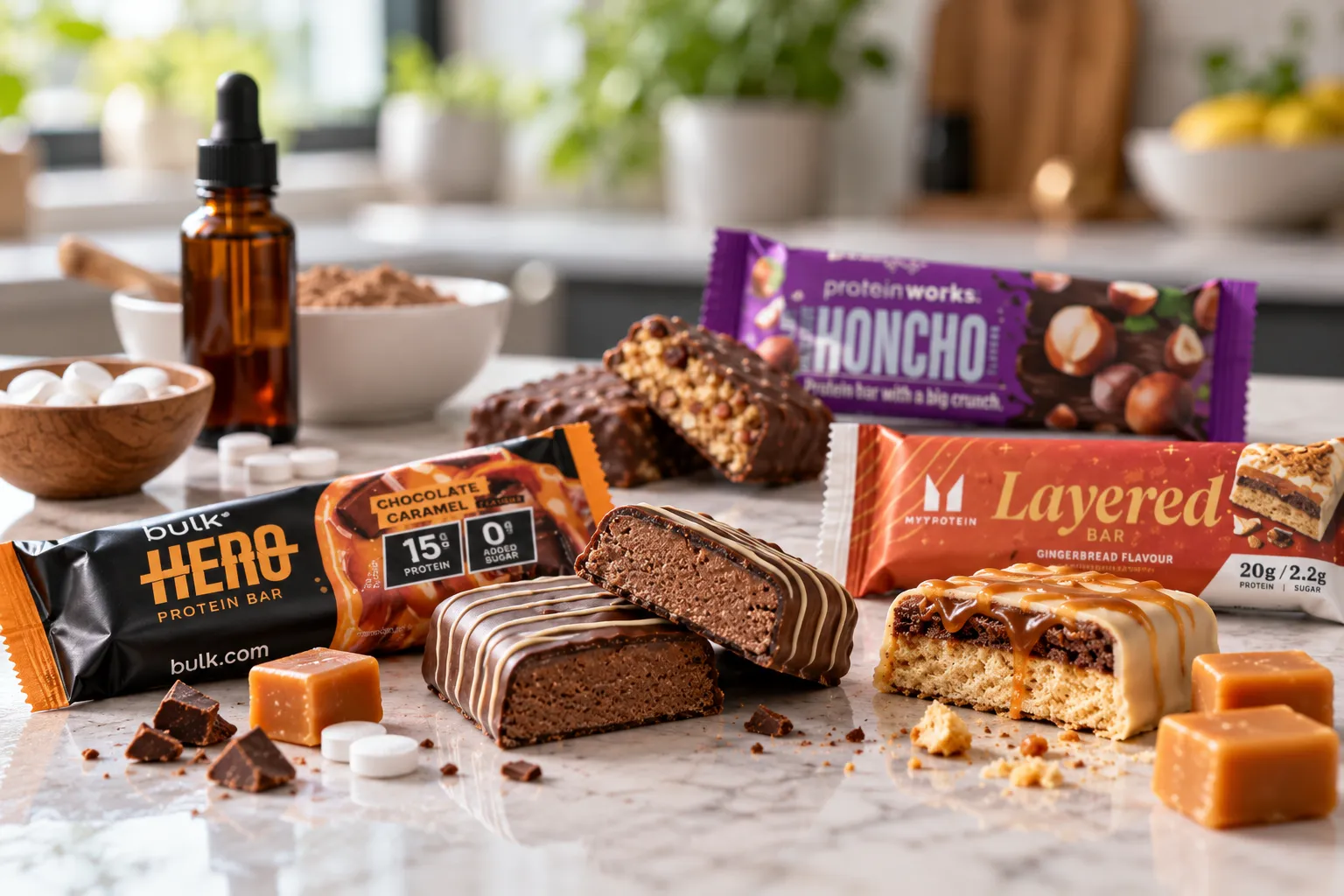
What Are the Best Protein Bars in the UK? (2026)
Myprotein, Protein Works and Bulk protein bars ranked on protein per calorie, sugar, sweeteners, palm oil and cost per 10g of protein, with Layered vs Impact, the best vegan bar and the best bar for weight loss. Prices and labels checked at source.
10 min read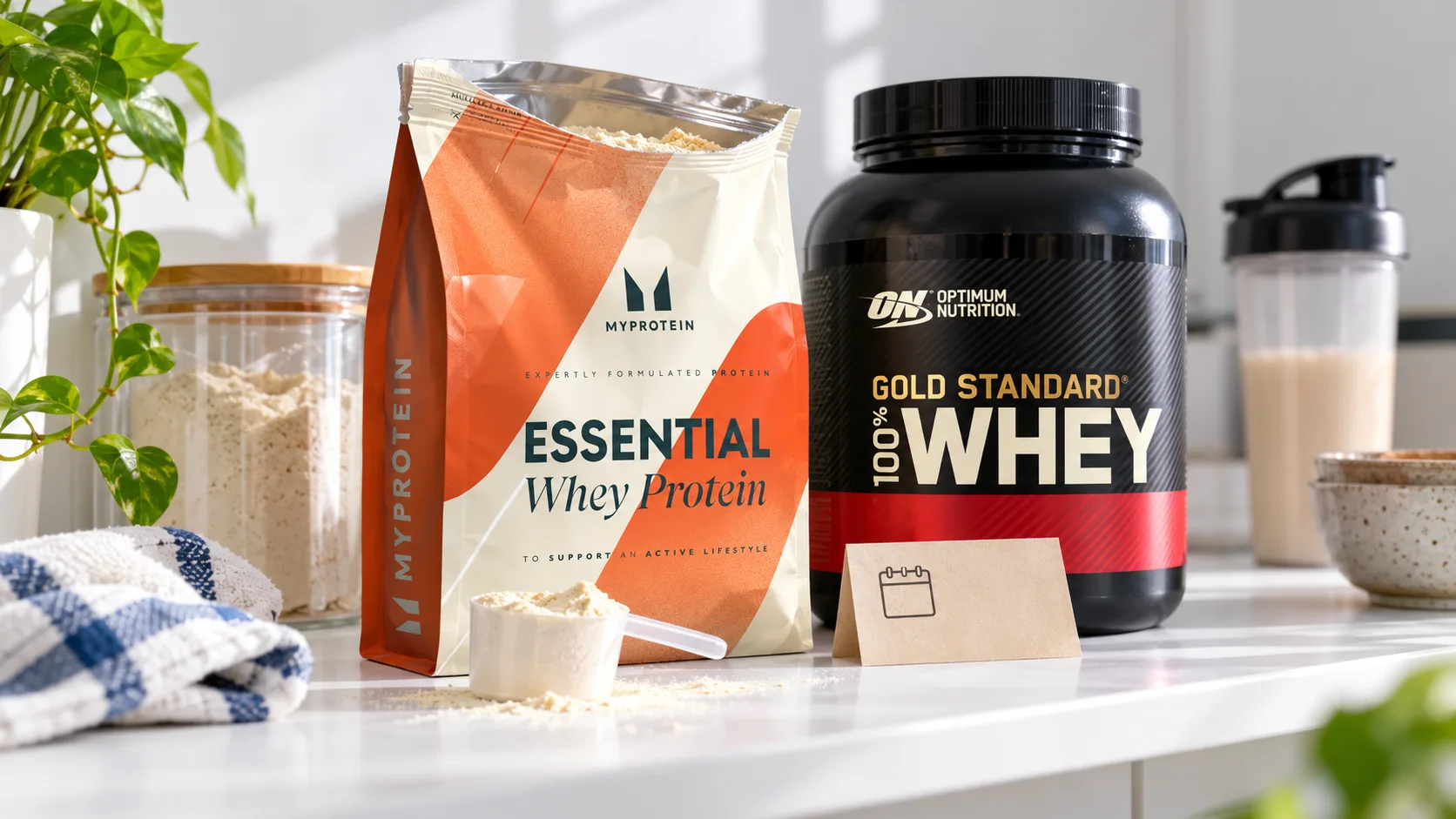
Does Protein Powder Expire? Shelf Life and Big Bag Value
What a best before date on protein powder means, how long whey lasts, the signs it has gone off, and how long a 5kg bag takes to finish, with bag-size prices per 25g of protein checked in September 2026.
6 min read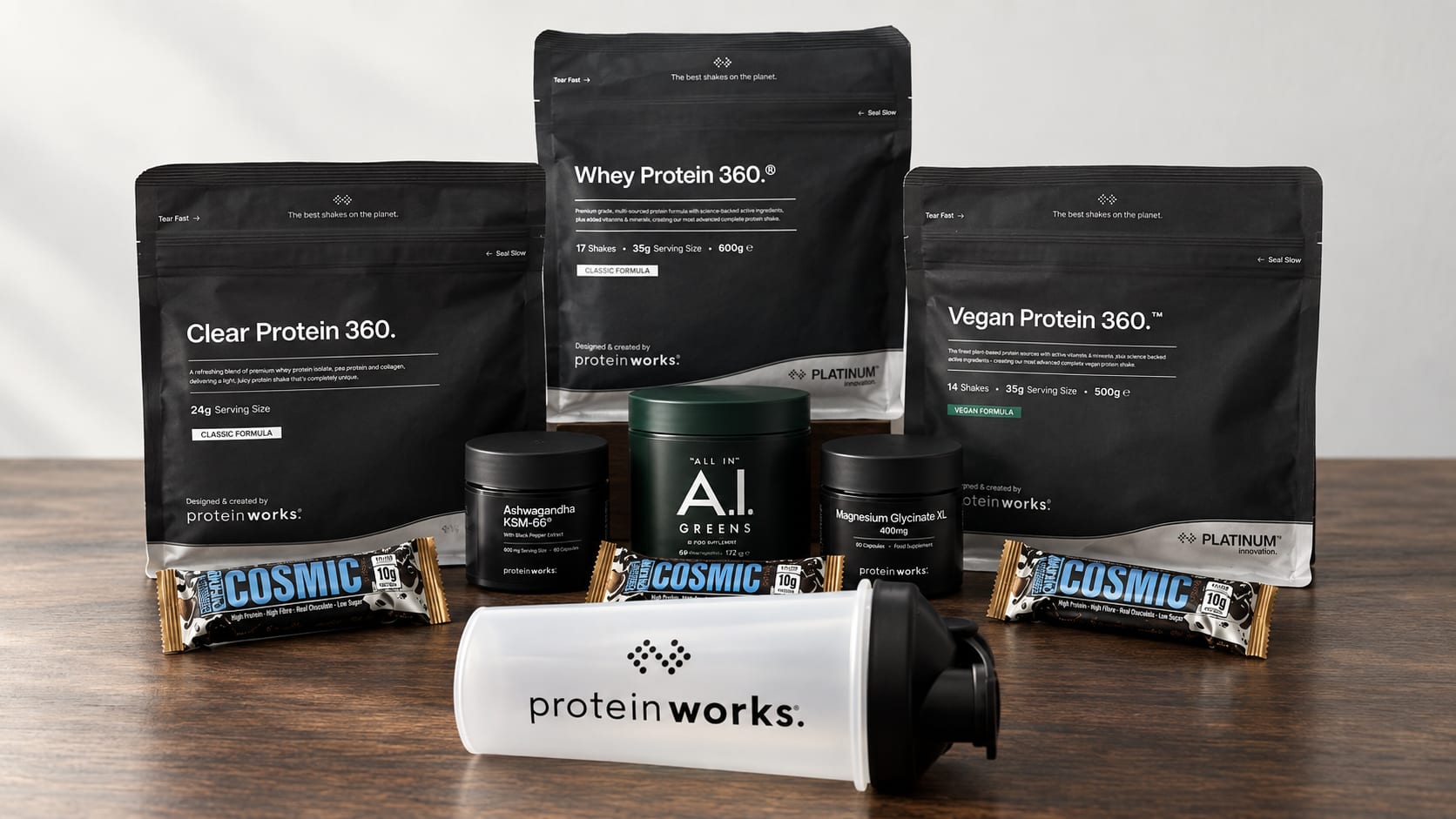
Protein Works Compare UK 2026: Every Range, Tier and Price
Protein Works sells almost everything in Black, Gold and Platinum. We checked every label and price in the range to find which tier is worth paying for, and what each one actually changes.
8 min readFind your cheapest protein
715 products compared from 180 brands
Sorted by best value per 25g of protein.
Compare all products