Best Protein for Muscle Recovery UK 2026: Whey, Casein and How Much You Need
The best protein for muscle recovery in the UK: why fast whey post-workout and slow casein overnight both help, the leucine threshold that matters, how much protein you actually need to recover, and the value picks to buy.
Kevin, founder of WheyWise
Quick answer
For muscle recovery, a fast-digesting whey taken soon after training is the best single choice, because it delivers protein and leucine quickly enough to switch on muscle protein synthesis. Optimum Nutrition Gold Standard is the reliable default at 24g protein and 5.5g of BCAAs per serving, comfortably over the roughly 2.5g of leucine that triggers recovery. If you train hard and want to support overnight repair, add a slow-release casein before bed. Timing helps at the margins, but hitting your total daily protein target, around 1.6 to 2.2g per kg of bodyweight, matters far more than any single shake.
"Recovery" protein is not a separate category you need to buy, it is about picking the right type and getting enough of it. This guide covers which protein actually helps you recover, why whey and casein suit different moments, how much you genuinely need, and which value options to buy, without the marketing gloss around recovery blends.
What protein is best for muscle recovery?
The best protein for recovery is a complete, fast-digesting one with enough leucine to trigger muscle protein synthesis, the process that repairs and builds muscle after training. Whey is the standout because it is rapidly absorbed and naturally high in leucine: a 24g serving of a quality whey clears the roughly 2.5g leucine threshold that flips the recovery switch. Both whey isolate and a good concentrate do this job; isolate is just leaner and lower in lactose.
Plant proteins recover you too, provided the daily total is there, but you typically need a slightly larger serving of a pea and rice blend to match whey's leucine. If you avoid dairy, our best vegan protein guide covers the blends that come closest.
Whey vs casein for recovery
Whey and casein are both milk proteins, but they recover you on different schedules:
- Whey digests in under an hour, spiking amino acids and muscle protein synthesis fast. This makes it the ideal post-workout choice.
- Casein forms a gel in the stomach and releases amino acids slowly over several hours. This makes it useful before bed, feeding overnight repair while you sleep.
You do not have to choose. Many people use whey after training and casein at night, which our best casein guide covers in detail. But if you only buy one, make it whey, and get your overnight protein from a casein-rich whole food like Greek yoghurt or cottage cheese instead.
How much protein do you need to recover?
Recovery is driven far more by your daily protein total than by any single shake. The evidence points to roughly 1.6 to 2.2g of protein per kg of bodyweight per day for people training to build or maintain muscle, split across three to five servings of about 20 to 40g each. A perfectly timed post-workout shake does little if the daily total falls short, and pushing well beyond this range does not speed recovery further.
When to take protein for recovery
The old advice to slam a shake within 30 minutes or lose your gains is largely a myth for most trainees. The post-workout window is several hours wide, so a shake within an hour or two is comfortably enough. Spreading protein evenly across the day matters more than any single timer, and a serving before bed arguably helps overnight recovery more than racing to drink one in the changing room.
Best protein picks for recovery
A fast whey for after training and a slow casein for overnight, plus a value whey if you want one tub that does most of the work:
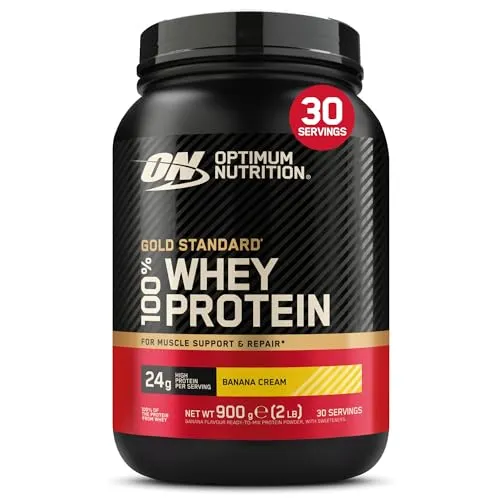
Best for post-workout recovery
Optimum Nutrition Gold Standard 100% Whey Protein
896g bag
Optimum Nutrition Gold Standard delivers 24g protein per scoop and holds 4.6 stars across 55,000+ Amazon UK reviews. The default benchmark whey for buyers who want proven consistency over the lowest cost.
Buy Gold Standard 100% Whey Protein →See the price on AmazonBest for post-workout recovery
Pros
- + 24g protein per scoop blended WPI WPC and hydrolysate
- + Most reviewed whey protein on Amazon UK with 55,000+ ratings
- + Instantised formulation mixes cleanly in cold water
- + 20+ flavour range with Double Rich Chocolate consistently 4.6 stars
Cons
- – Premium price tier above MyProtein and Bulk
- – Contains soy lecithin and artificial sweeteners
- – Smaller 450g tubs poor value vs 900g and 2.27kg sizes
●Nutrition per scoop · 23.6g protein in 31g▼
Protein makes up 76%
of this 31g scoop · 114 kcal total
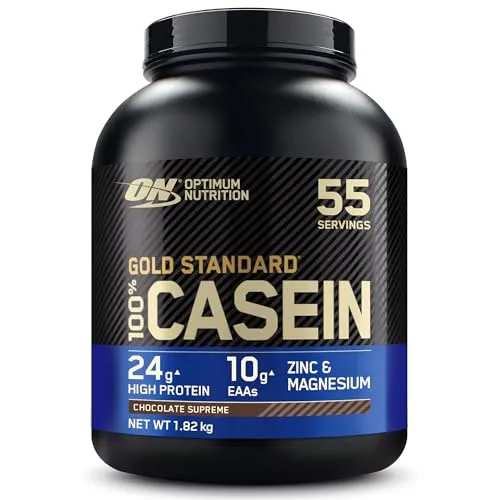
Best for overnight recovery
Optimum Nutrition Gold Standard 100% Casein Elite
1.82kg bag
Protein powder from Optimum Nutrition. Compare prices across UK retailers.
Buy Gold Standard 100% Casein Elite →See the price on AmazonBest for overnight recovery
Pros
- + Very high protein content
- + Slow release, great before bed
Cons
- – Premium price point
●Nutrition per scoop · 24.4g protein in 33g▼
Protein makes up 74%
of this 33g scoop · 113 kcal total
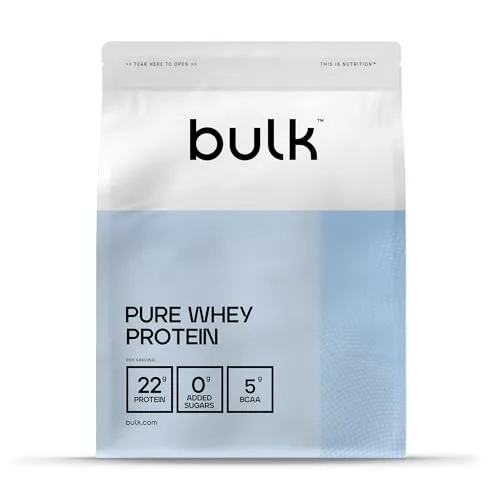
Best value everyday whey
Bulk Pure Whey Protein
1kg bag
Budget-friendly Informed Sport tested whey from Bulk with 50+ flavours. Consistently among the cheapest per serving in the UK.
or compare all UK prices →Best value everyday whey
Bulk Pure Whey Protein
1kg bagPros
- + Among cheapest UK whey options
- + Huge 50+ flavour range
- + 22g protein per 30g scoop
- + Informed Sport batch tested
Cons
- – 70-75% protein purity only
- – Some flavours overly artificial
- – Can cause bloating if lactose-sensitive
●Nutrition per scoop · 22.7g protein in 32g▼
Protein makes up 71%
of this 32g scoop · 120 kcal total
Compare every UK protein ranked by real cost per 25g of protein on the main comparison table, check this week's discounts on the deals page, and if your goal is size rather than just recovery, see the best protein for muscle gain guide.
Muscle recovery FAQs
What protein is best for muscle recovery?
A fast-digesting whey taken soon after training, because it delivers amino acids and over 2.5g of leucine quickly enough to trigger muscle protein synthesis. Optimum Nutrition Gold Standard is a reliable default at 24g protein and 5.5g of BCAAs per serving.
Is whey or casein better for recovery?
Different jobs. Whey digests fast and suits post-workout; casein digests slowly and suits before bed for overnight repair. Using whey after training and casein at night gets the best of both, but total daily protein matters more than either.
How much protein do I need for muscle recovery?
Roughly 1.6 to 2.2g of protein per kg of bodyweight per day, split across meals at about 20 to 40g per serving. A single shake will not recover you if the daily total is too low.
When should I take protein for recovery?
The 30-minute window is mostly a myth. A shake within an hour or two of training is plenty; spreading enough total protein across the day, including a serving before bed, matters more.
Related reading
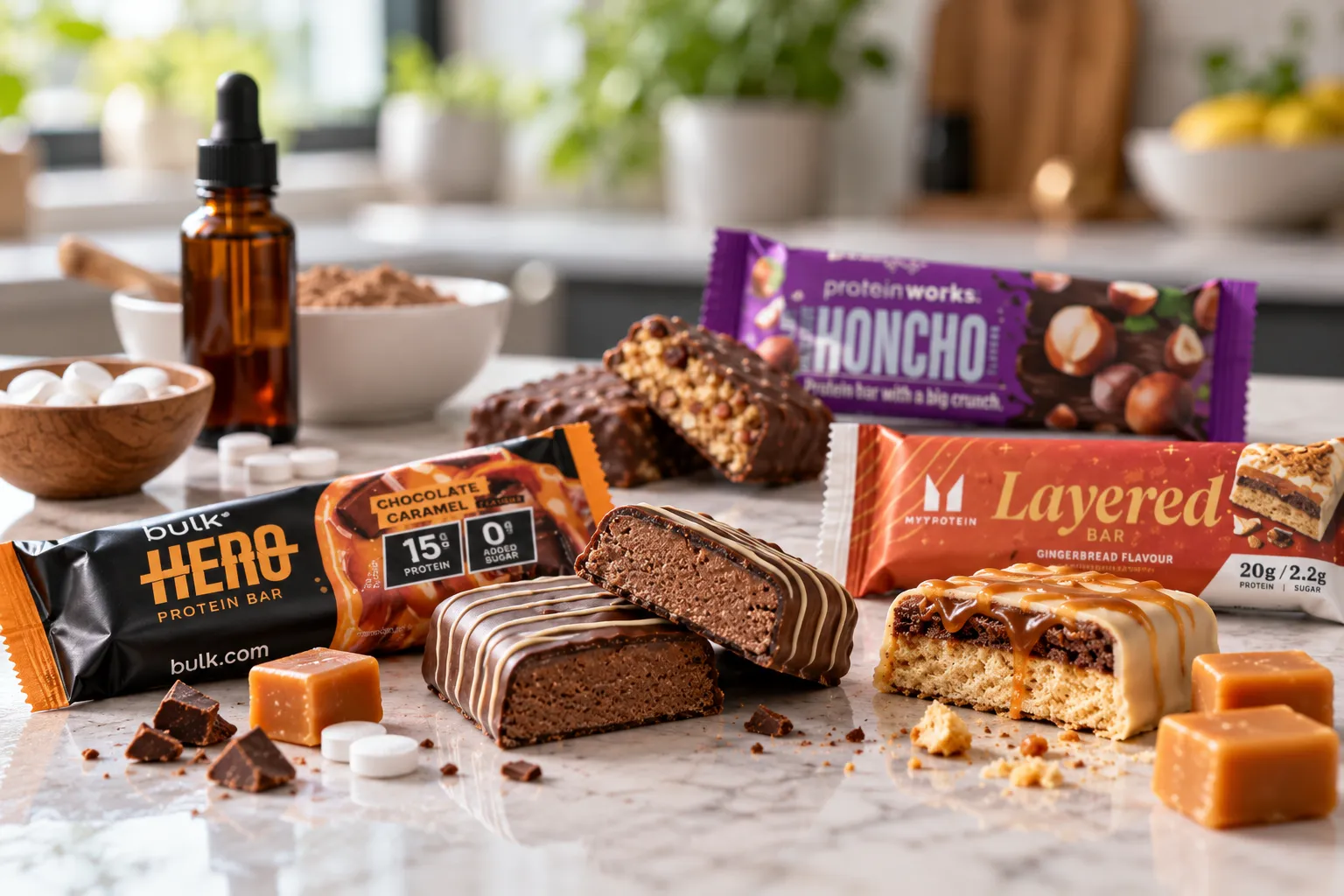
What Are the Best Protein Bars in the UK? (2026)
Myprotein, Protein Works and Bulk protein bars ranked on protein per calorie, sugar, sweeteners, palm oil and cost per 10g of protein, with Layered vs Impact, the best vegan bar and the best bar for weight loss. Prices and labels checked at source.
10 min read
Does Protein Powder Expire? Shelf Life and Big Bag Value
What a best before date on protein powder means, how long whey lasts, the signs it has gone off, and how long a 5kg bag takes to finish, with bag-size prices per 25g of protein checked in September 2026.
6 min read
Protein Works Compare UK 2026: Every Range, Tier and Price
Protein Works sells almost everything in Black, Gold and Platinum. We checked every label and price in the range to find which tier is worth paying for, and what each one actually changes.
8 min readFind your cheapest protein
719 products compared from 181 brands
Sorted by best value per 25g of protein.
Compare all products