The protein in the stack
Prozis
Supreme Whey Protein
907g bag
Buy Supreme Whey Protein →Direct from ProzisGet 10% off your order
What to take after the gym and why: how much protein, when creatine works, whether you need electrolytes, when carbs matter, what to leave out, and what a recovery stack costs per day with Prozis and Protein Works.
Kevin, founder of WheyWise
The protein in the stack
Prozis
907g bag
Buy Supreme Whey Protein →Direct from Prozis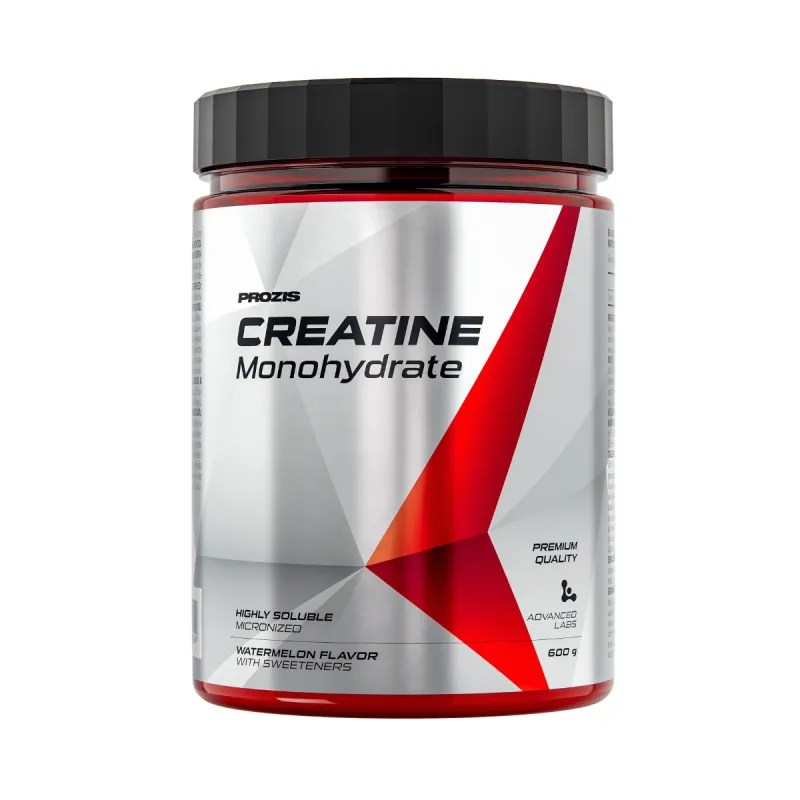
The creatine in the stack
Prozis
600g bag
Buy Creatine Monohydrate →Direct from Prozis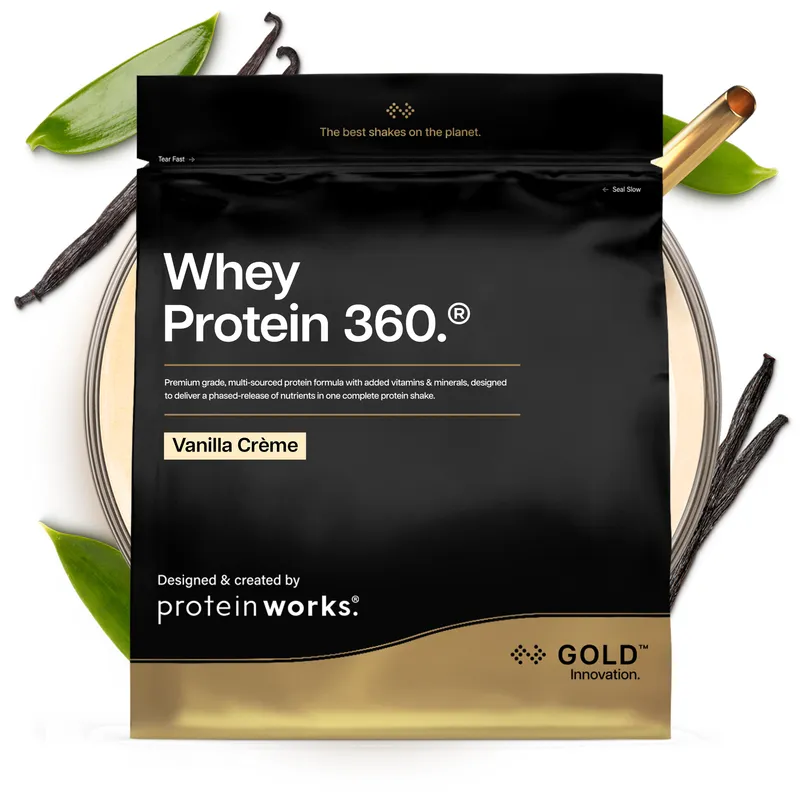
Protein Works alternative
Protein Works
1.2kg bag
Buy Whey Protein 360 Gold →Direct from Protein WorksQuick answer
After the gym you need three things: 20 to 40g of protein, 3 to 5g of creatine at any time of day, and enough fluid and salt to replace what you sweated out. Carbohydrate only needs priority if you train again within about four hours. The simplest stack is Prozis Supreme Whey Protein plus Prozis Creatine Monohydrate, which costs about £1.44 a day with code WHEYWISE for a 30g scoop and 5g of creatine. BCAAs are the supplement to leave out: on their own they show no muscle-building effect in human studies, and a whey shake already contains them.
A recovery stack is the short list of things that help you recover between training sessions, and most of it is food, not supplements. This guide covers what the research supports after a gym session, how much of each you need, what you can skip, and what the supplement part costs per day.
After the gym, take 20 to 40g of protein, keep up 3 to 5g of creatine a day, and replace the fluid and salt you sweated out. Carbohydrate matters most when your next session is within four hours. Everything else is optional.
| Part of the stack | How much | When | Needed? |
|---|---|---|---|
| Protein | 20 to 40g (about 0.25g per kg) | Within a couple of hours | Yes |
| Creatine monohydrate | 3 to 5g a day | Any time | Yes, if you lift |
| Fluid and salt | About 150% of what you lost | Over the next few hours | Yes, more after long or hot sessions |
| Carbohydrate | 1.0 to 1.2g per kg per hour | Straight away, for 4 hours | Only if you train again soon |
| BCAAs | None | - | No |
You need about 0.25g of protein per kg of body weight after a workout, which is 20 to 40g for most adults, according to the International Society of Sports Nutrition position stand on protein (Jäger et al., 2017, PMID 28642676). In one study of 48 men, 20g of whey was enough to maximise muscle protein synthesis after leg training, and 40g mostly raised the amount of protein burned for energy (Witard et al., 2014, PMID 24257722).
Timing matters less than total intake. A meta-analysis of more than 20 studies found that, once total daily protein was accounted for, protein timing had no significant effect on muscle or strength gains (Schoenfeld et al., 2013, PMID 24299050). Aim for 1.4 to 2.0g of protein per kg of body weight across the day, spread over meals every three to four hours, and treat the post-workout shake as an easy way to reach that total. For which protein suits recovery best, see our guide to the best protein for muscle recovery.
The protein in the stack
907g bag
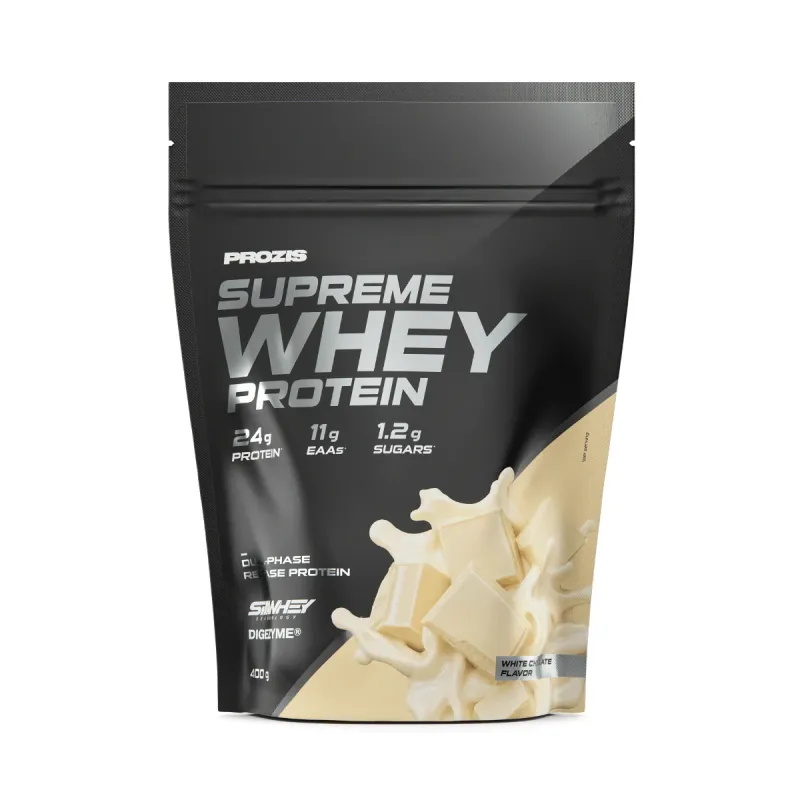
Prozis Supreme Whey Protein covers the protein part of a recovery stack with 24g of protein per 30g scoop, at £1.22 per 25g of protein with code WHEYWISE.
or compare all UK prices →The protein in the stack
Pros
Cons
Protein makes up 80%
of this 30g scoop · 112 kcal total
Protein Works alternative
1.2kg bag
Protein Works Whey Protein 360 GOLD is the Protein Works option for the protein part of the stack, with code WW12 taking 12% off one-off orders and pouches up to 4.8kg.
or compare all UK prices →Protein Works alternative
Pros
Cons
Protein makes up 68%
of this 30g scoop · 113 kcal total
Yes, if you lift weights: creatine monohydrate is one of the few supplements with strong evidence behind it. The International Society of Sports Nutrition recommends 3 to 5g a day, found no compelling evidence of harm at up to 30g a day for five years, and reports weight gain as the only consistent side effect (Kreider et al., 2017, PMID 28615996). Its position stand also cites faster strength recovery after muscle-damaging exercise in creatine users.
When you take it does not matter much. A 2022 review of the timing studies found small effects at most and could not name a best time (Candow et al., 2022, PMID 35669557), so add it to your shake or take it with breakfast. Without a loading phase, 3 to 5g a day fills your muscle stores in three to four weeks. For dosing in detail, see how much creatine per day, and for putting it in the same shake, mixing creatine with protein powder.
The creatine in the stack
600g bag
Prozis Creatine Monohydrate is plain creatine monohydrate at 27p per 5g serving with code WHEYWISE. Buy the 300g tub, which is cheaper per gram than the 600g.
or compare all UK prices →The creatine in the stack
Pros
Cons
Protein Works creatine
500g bag
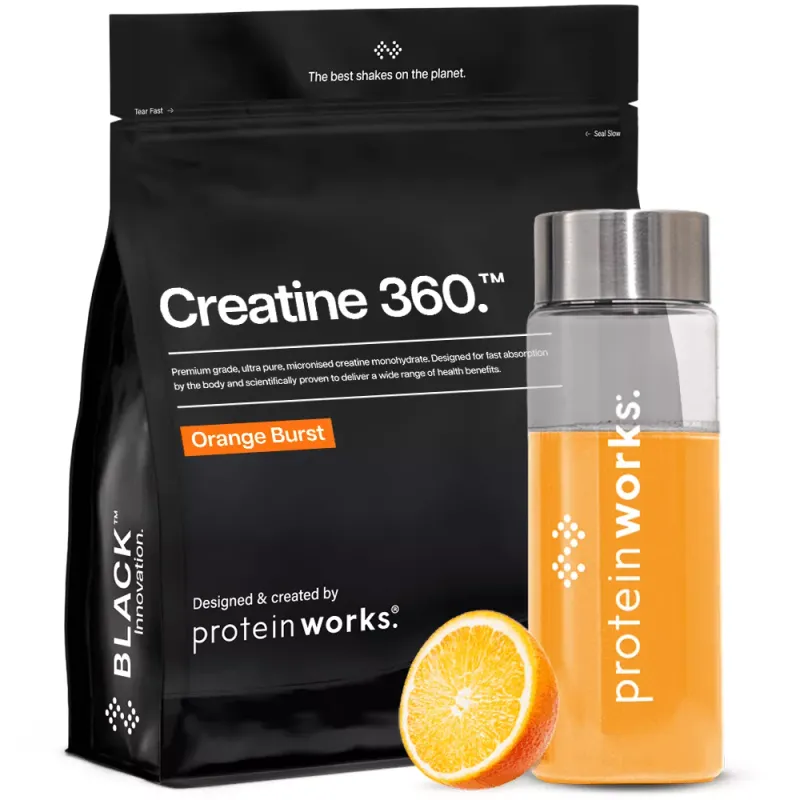
Protein Works Creatine 360 BLACK is the creatine to add if you already order Protein Works protein, so the whole stack arrives in one delivery with code WW12.
or compare all UK prices →Protein Works creatine
Pros
Cons
After a normal gym session, water and your next meal replace what you lost, so you do not need an electrolyte drink. After long, hot or very sweaty sessions, electrolytes help. In a study of 506 athletes, sweat carried about 36 mmol of sodium per litre on average, at about 1.2 litres an hour (Baker et al., 2016, PMID 26070030), which is roughly 1g of sodium an hour, with wide variation between people.
To rehydrate fully, drink about 150% of the fluid you lost, with some sodium. In a controlled study, men who drank 150% of their sweat loss stayed in fluid balance, and drinks with more sodium were kept rather than lost as urine (Shirreffs et al., 1996, PMID 8897383). Milk was also retained better than water in a 2016 study of 72 men (Maughan et al., 2016, PMID 26702122), so a whey shake made with milk does double duty. Weigh yourself before and after a long session: each kg lost is about a litre of sweat.
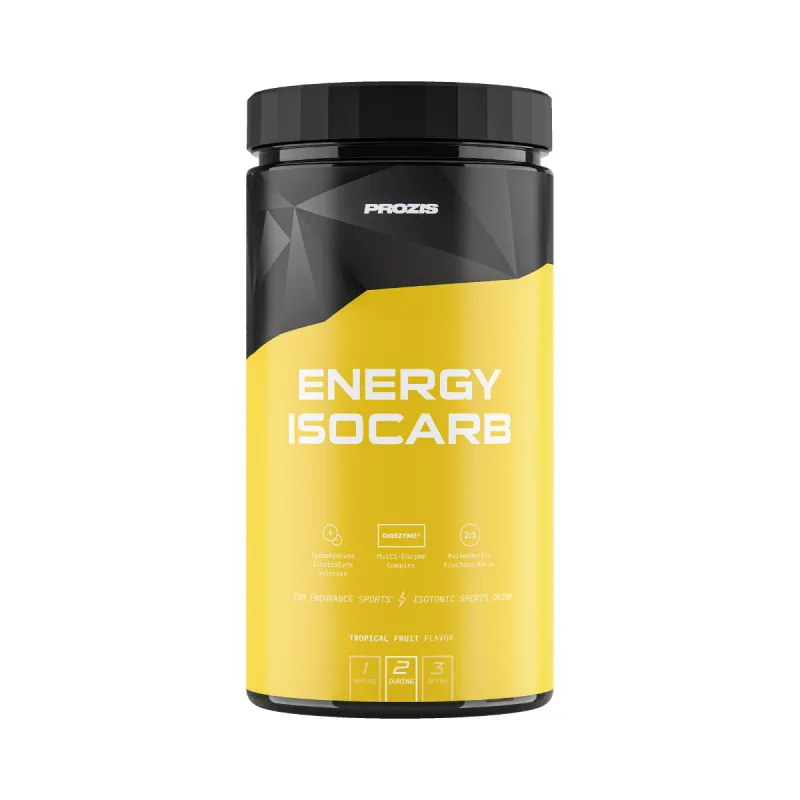
For long or sweaty sessions
800g bag
Prozis Energy Isocarb is an isotonic carbohydrate drink for long or hot sessions, at £12.72 for 800g. After a normal gym session, water and a meal do the same job.
or compare all UK prices →For long or sweaty sessions
Pros
Cons
Carbohydrate matters for recovery when you train again within about four hours, because muscle glycogen has to be refilled quickly. In that case, aim for 1.0 to 1.2g of carbohydrate per kg of body weight per hour for the first four hours (Podlogar and Wallis, 2022, PMID 36173597), or about 0.8g per kg per hour with 0.2 to 0.4g of protein per kg per hour (Kerksick et al., 2017, PMID 28919842). If your next session is tomorrow, the total carbohydrate you eat over the day matters more than when you eat it.
Leave out BCAAs if you already eat enough protein. A 2017 review found no human study showing that BCAAs on their own build muscle (Wolfe, 2017, PMID 28852372), and a whey shake already contains them. Tart cherry juice has modest evidence: a 2021 meta-analysis of 14 studies found a small effect on soreness and a moderate effect on strength recovery (Hill et al., 2021, PMID 33440334), so it is optional at best.
The core of a recovery stack costs about £1.44 a day with Prozis and code WHEYWISE: a 30g scoop of Prozis Supreme Whey Protein from the 907g pouch costs about £1.17, and 5g of Prozis Creatine Monohydrate from the 300g tub costs 27p.
| Part | Product | Serving | Cost per day, with WHEYWISE |
|---|---|---|---|
| Protein | Prozis Supreme Whey Protein, 907g | 30g scoop | £1.17 |
| Creatine | Prozis Creatine Monohydrate, 300g | 5g | 27p |
| Fluid and salt | Water and food | - | - |
| Total | £1.44 |
Prozis UK prices less the 10% WHEYWISE code. For cheaper protein per gram, compare all wheys on the whey comparison, and creatine on the creatine comparison.
A simple routine is one shake and one habit. Mix a scoop of whey with water or milk after training, add your 5g of creatine to the same shaker, drink to thirst over the next few hours, and eat a normal meal with carbohydrate and protein. If you train fasted or late in the evening, a slow-digesting protein such as Prozis 100% Real Casein before bed is an option: the ISSN suggests 30 to 40g of casein before sleep (Jäger et al., 2017).
For runners and endurance athletes, where carbohydrate and sodium matter far more, see our marathon nutrition guide.
A protein shake with 20 to 40g of protein is the most useful single thing to take after a workout, as part of a daily protein total of 1.4 to 2.0g per kg of body weight. Add 3 to 5g of creatine a day if you lift, and replace sweat losses with fluid and some salt.
It makes little difference. The International Society of Sports Nutrition gives no timing advice, and a 2022 review of the timing studies found small effects at most and could not name a best time. Take 3 to 5g every day, whenever you will remember it.
Usually not after a normal gym session, where water and your next meal replace what you lost. Electrolytes help after long or hot sessions with heavy sweating: sweat carries about 36 mmol of sodium per litre on average, and drinking about 150% of the fluid you lost, with sodium, restores balance better than water alone.
Not if you already eat enough protein. A 2017 review found no human study showing that BCAAs on their own build muscle, and whey already contains them. Spend the money on protein instead.
A 30g scoop of Prozis Supreme Whey Protein plus 5g of Prozis Creatine Monohydrate costs about £1.44 a day with code WHEYWISE: about £1.17 for the protein and 27p for the creatine. Water and food cover the rest for most gym sessions.
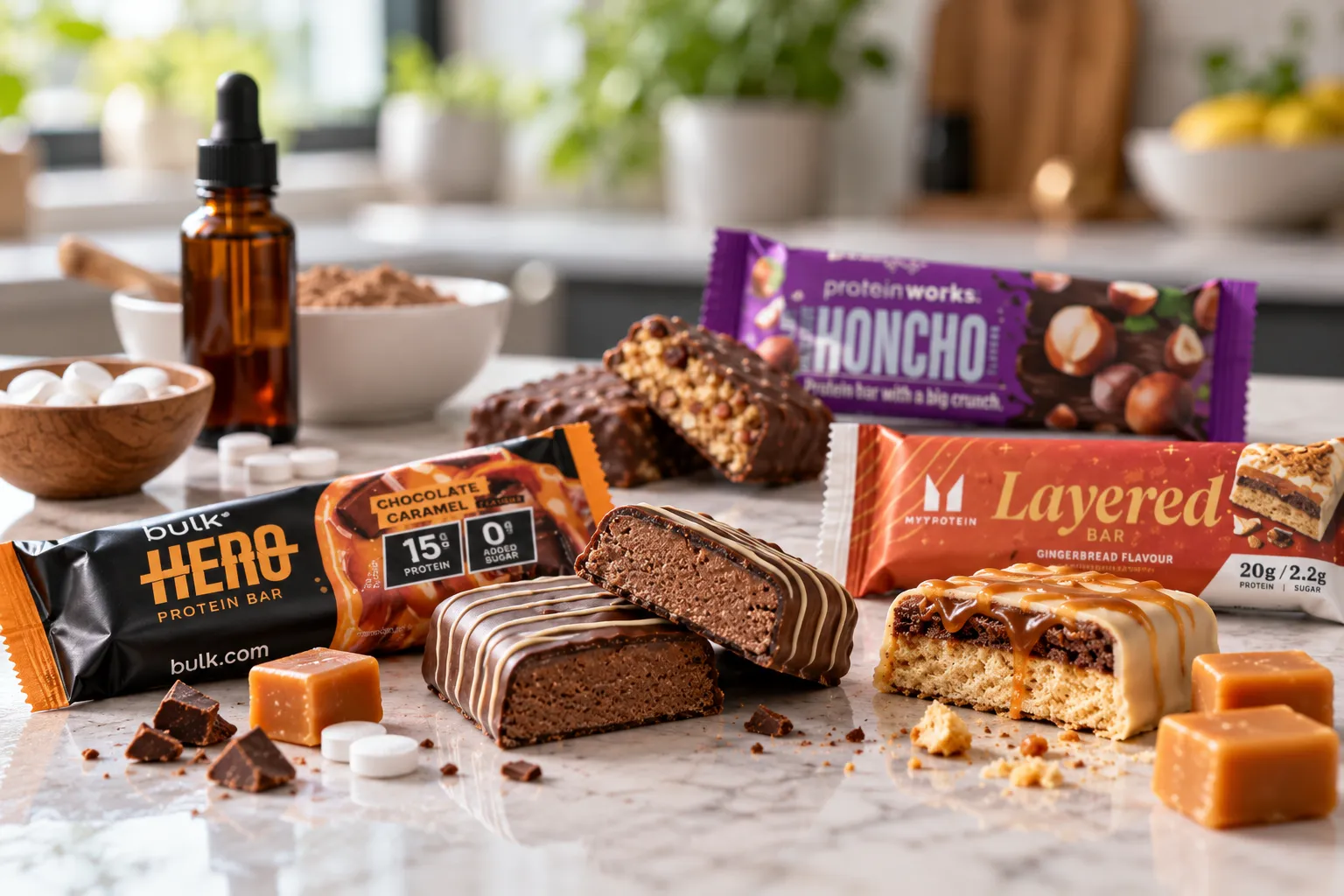
What Are the Best Protein Bars in the UK? (2026)
Myprotein, Protein Works and Bulk protein bars ranked on protein per calorie, sugar, sweeteners, palm oil and cost per 10g of protein, with Layered vs Impact, the best vegan bar and the best bar for weight loss. Prices and labels checked at source.
10 min read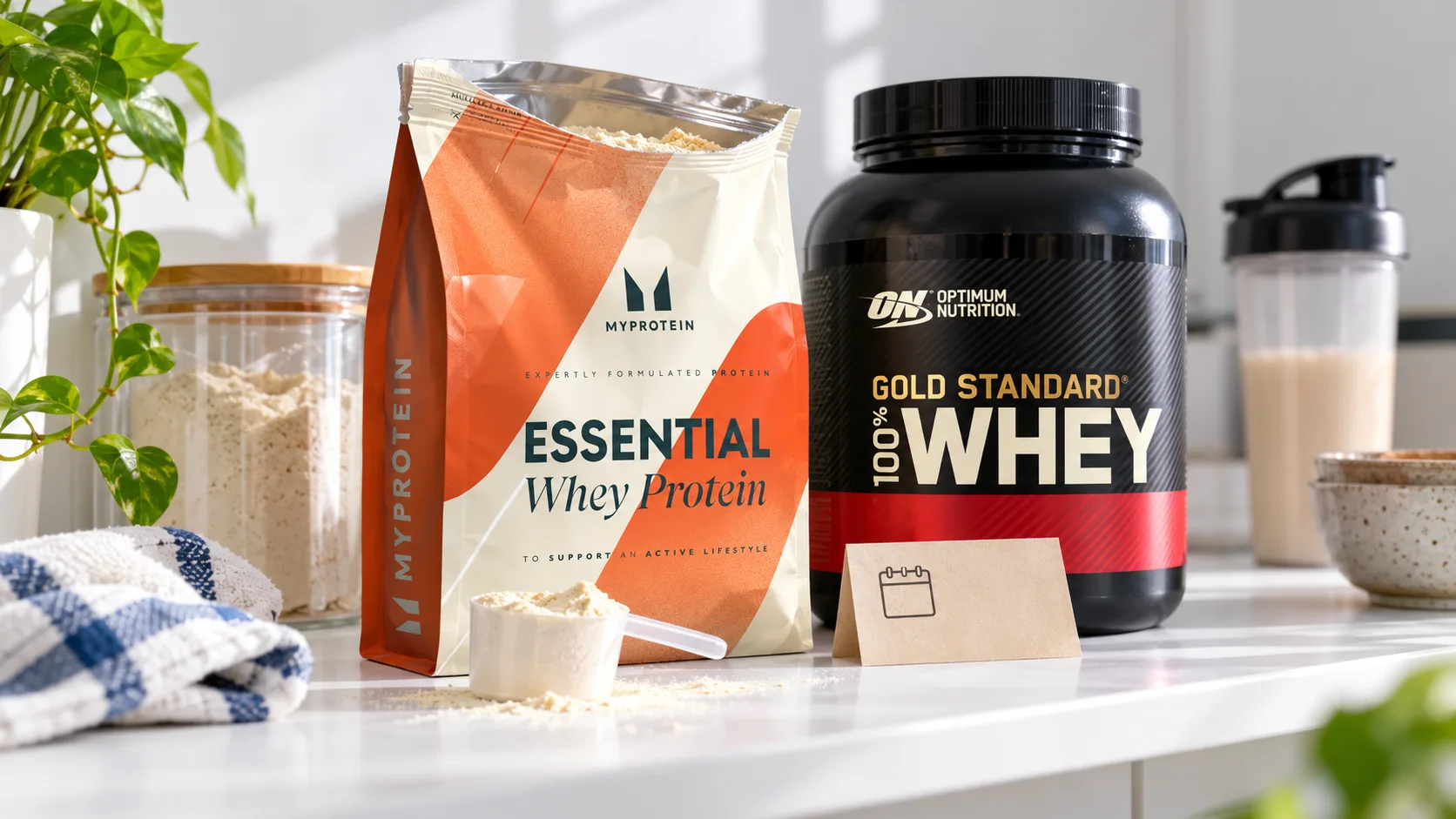
Does Protein Powder Expire? Shelf Life and Big Bag Value
What a best before date on protein powder means, how long whey lasts, the signs it has gone off, and how long a 5kg bag takes to finish, with bag-size prices per 25g of protein checked in September 2026.
6 min read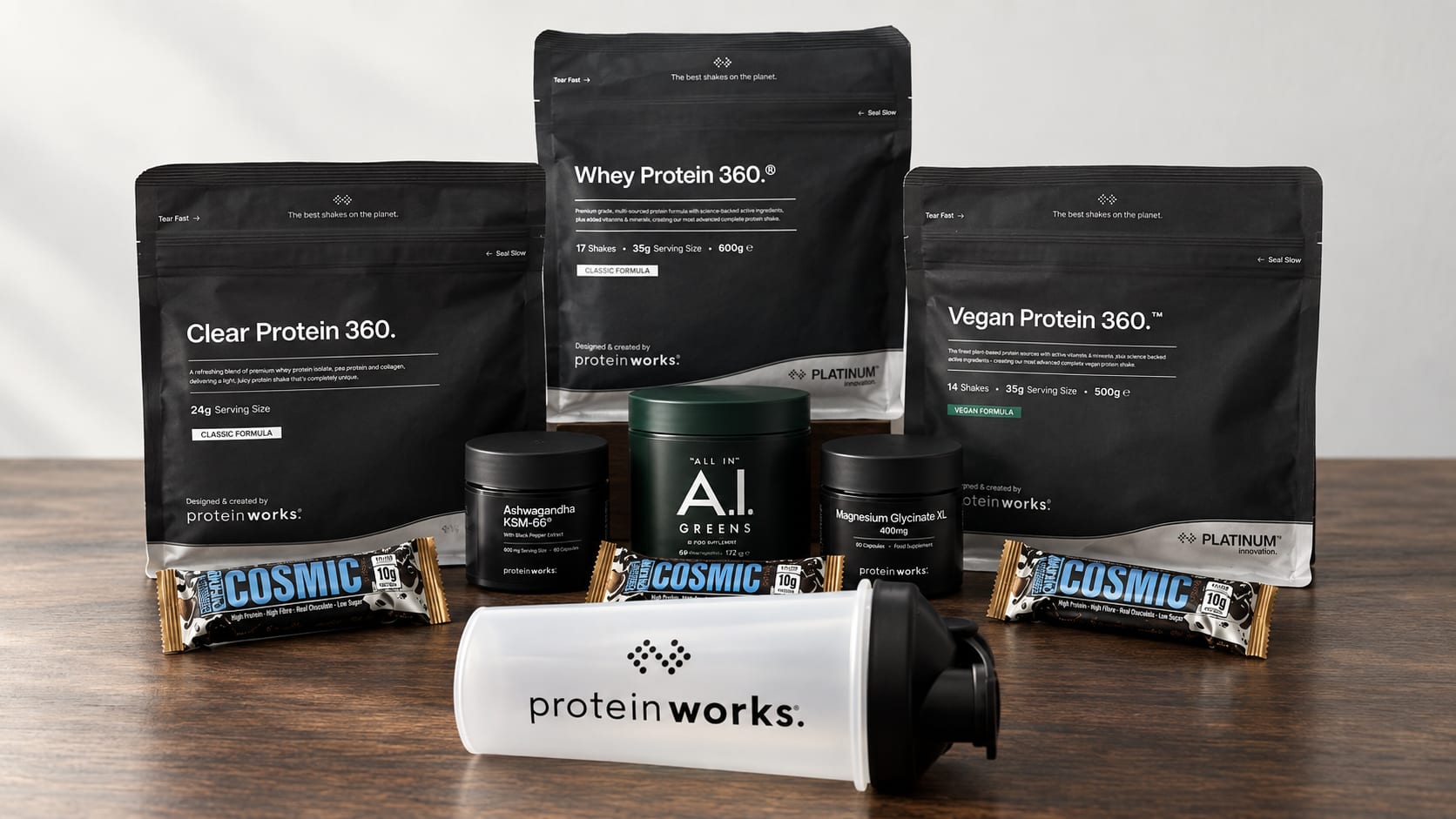
Protein Works Compare UK 2026: Every Range, Tier and Price
Protein Works sells almost everything in Black, Gold and Platinum. We checked every label and price in the range to find which tier is worth paying for, and what each one actually changes.
8 min readFind your cheapest protein
774 products compared from 182 brands
Sorted by best value per 25g of protein.
Compare all products