If you lift weights, set your protein goal at around 1.6g per kg of bodyweight a day: a 2018 meta-analysis of 49 trials found that protein beyond 1.62g per kg added no further muscle. For a 70kg person that is 112g a day, more than double the UK minimum of 0.75g per kg, or 52.5g.
If you lift weights, set your protein goal at around 1.6g per kg of bodyweight a day: a 2018 meta-analysis of 49 trials found that protein beyond 1.62g per kg added no further muscle. For a 70kg person that is 112g a day, more than double the UK minimum of 0.75g per kg, or 52.5g. WheyWise took every target on this page from the British Nutrition Foundation, the International Society of Sports Nutrition and that 2018 analysis.
Your protein goal depends on your weight and what you train for, so it is a number per kilogram rather than a fixed amount. The quickest way to get yours is the WheyWise protein calculator. This page explains where the targets come from.
What should my protein goal be?
If you train with weights, aim for 1.4 to 2.0g of protein per kg of bodyweight a day, the range the International Society of Sports Nutrition calls sufficient for most exercising people (Jäger et al., 2017). Within that range, about 1.6g per kg is the number to remember: a meta-analysis of 49 trials and 1,863 people found that protein beyond 1.62g per kg a day brought no further gains in muscle mass during resistance training (Morton et al., 2018).
Goal
Daily target per kg
For a 70kg person
Source
Not training (UK minimum)
0.75g
52.5g
UK RNI, British Nutrition Foundation
Active, strength or endurance
1.2g to 2.0g
84g to 140g
ACSM, quoted by the BNF
Building muscle
1.4g to 2.0g
98g to 140g
ISSN, 2017
Where muscle gains levelled off
1.62g
113g
Morton et al., 2018
Cutting calories, already trained
2.3g to 3.1g
161g to 217g
ISSN, 2017
The 70kg column is bodyweight multiplied by the target. The ACSM range is as quoted on the British Nutrition Foundation's protein page.
How much protein does the UK say I need?
The UK Reference Nutrient Intake is 0.75g of protein per kg of bodyweight a day for adults, which the British Nutrition Foundation puts at 56g a day for men and 45g for women, based on bodyweights of 75kg and 60kg. It is a figure for the general population, and the BNF notes that athletes and older adults may need more. Most people already clear it: on the BNF's figures, UK men eat about 85g of protein a day and women about 67g.
How do I split my protein goal across the day?
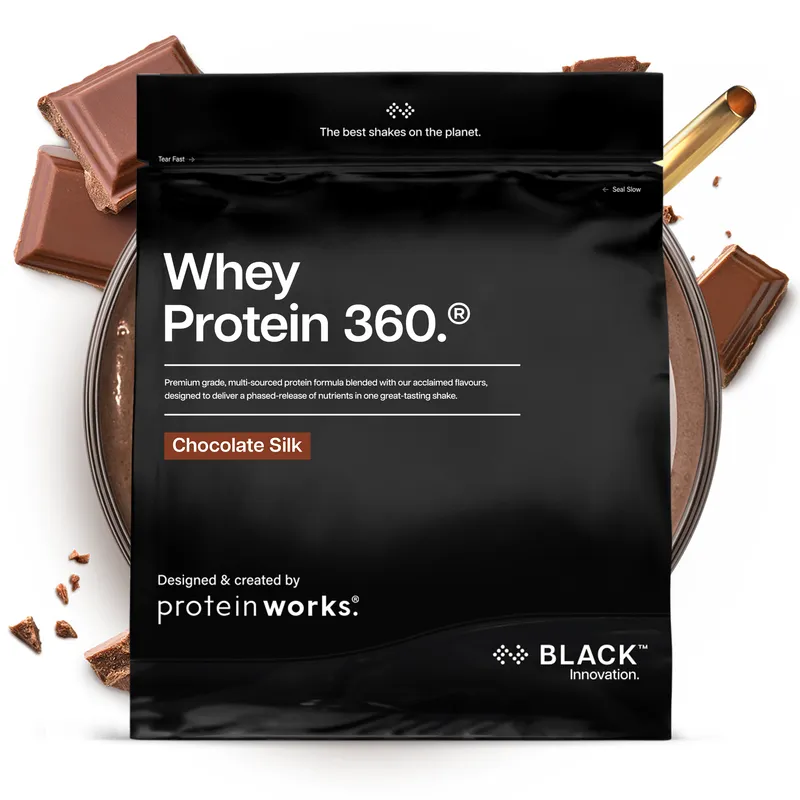
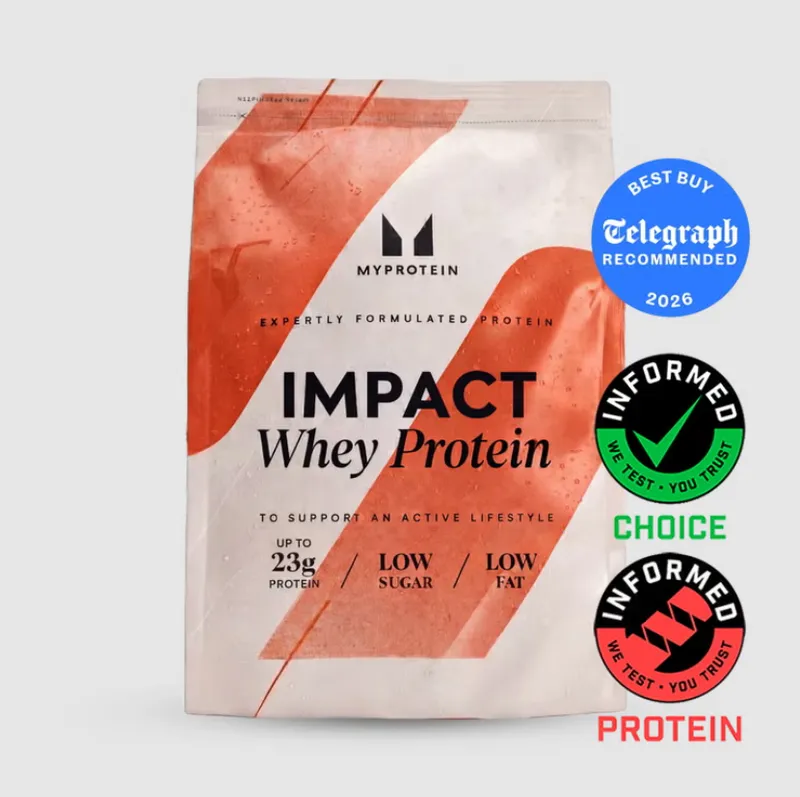
Split it into servings of 20g to 40g, or about 0.25g per kg of bodyweight, every 3 to 4 hours, which is the ISSN's general advice (Jäger et al., 2017). For a 70kg person on a 112g goal, that is four servings of 28g. A 30g scoop of Protein Works Whey Protein 360 Black covers 18g, and Myprotein Impact Whey 22g, so one shake fills most of one serving. For how many scoops make sense alongside food, read how much protein powder to take per day.
Multiply your bodyweight in kilograms by a target per kg. At 1.6g per kg, a 70kg person needs 112g of protein a day and an 85kg person 136g. The International Society of Sports Nutrition puts the range for most people who exercise at 1.4 to 2.0g per kg, and the WheyWise protein calculator does the sum for you.
Is 2g of protein per kg too much?
It is within published sports nutrition ranges, but more than most people need for muscle. 2.0g per kg is the top of the ISSN's 1.4 to 2.0g range for people who exercise, and a 2018 meta-analysis found no extra muscle gain above 1.62g per kg. The ISSN says 2.3 to 3.1g per kg may help trained lifters keep muscle while cutting calories.
How much protein do I need a day if I don't work out?
The UK Reference Nutrient Intake is 0.75g per kg of bodyweight, which the British Nutrition Foundation puts at 56g a day for men and 45g for women. The average UK man already eats about 85g of protein a day and the average woman about 67g, so most people meet it from food.