Organic Protein Powder UK 2026: Best Certified Picks and the Real Cost
The best organic protein powder in the UK for 2026: certified organic whey and organic-sourced plant blends compared on protein per 100g, certification and cost per 25g, plus an honest look at whether the organic mark is worth the premium.
Kevin, founder of WheyWise
Quick answer
Organic protein powder is made from certified-organic milk (organic whey) or organic-sourced plants, produced without synthetic pesticides and, for whey, from cows on organic feed. In the UK the best certified option is The Organic Protein Co Organic Whey (around 79g protein per 100g). Certified organic plant protein is far thinner on the ground, so plant eaters chasing the same clean sourcing usually settle for a clean-label blend such as Vivo Life Perform (fermented pea and hemp, 69g per 100g, no artificial sweeteners or gums). Expect a premium: organic protein runs roughly £1.20 to £1.70+ per 25g of protein, against 60 to 80p for a conventional whey concentrate, and organic whey usually carries slightly less protein per 100g because it is processed more gently. Choose organic if pesticide-free, traceable sourcing matters to you; if you only care about protein and price, conventional whey is better value.
"Organic" on a protein tub is a sourcing claim, not a protein claim. It tells you how the milk or plants were farmed, not how much protein ends up in your scoop. This guide explains what the organic mark actually certifies, names the genuinely organic options on UK shelves, shows what you pay for the badge, and gives you an honest answer on whether it is worth it.
What counts as organic protein powder?
Organic protein powder is a protein supplement certified by a recognised body, in the UK usually the Soil Association or an EU-equivalent organic standard. For whey, certification means the milk comes from cows raised on organic feed without routine antibiotics. For plant protein, it means the peas, rice or hemp are grown without synthetic pesticides or fertilisers. The mark certifies the farming and sourcing, not the final protein density.
That distinction matters because it is easy to conflate "organic" with "high protein" or "clean". An organic whey and a conventional whey can have near-identical ingredient lists; the difference is upstream, on the farm. If your goal is the shortest ingredient list rather than certified farming, read our cleanest protein powder guide instead, because clean-label and organic are not the same thing.
The best organic protein powders in the UK
There are far fewer genuinely organic proteins than the marketing suggests, because certification is expensive and cuts into the protein-per-pound the big brands compete on. These are the options actually worth buying, with a conventional whey included at the end so you can see the premium in context.
Best organic whey
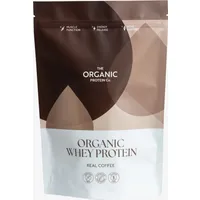
Organic Protein Company Organic Whey Protein
600g bag
The Organic Protein Co delivers Soil Association certified organic whey at around 79g protein per 100g, as a single-ingredient unflavoured powder. It is the cleanest genuinely-organic whey in the UK, at a premium of roughly £1.40 or more per 25g of protein.
or compare all UK prices →Best organic whey
Pros
- + Soil Association certified organic whey
- + Around 79g protein per 100g
- + Single ingredient, no sweeteners or additives
- + From organic grass-fed milk, traceable sourcing
Cons
- – Premium price, roughly £1.40+ per 25g protein
- – Unflavoured only, best mixed into food or a smoothie
- – Lower protein density than a conventional isolate
●Nutrition per scoop · 19.8g protein in 25g▼
Protein makes up 79%
of this 25g scoop · 98 kcal total
Best clean-label plant
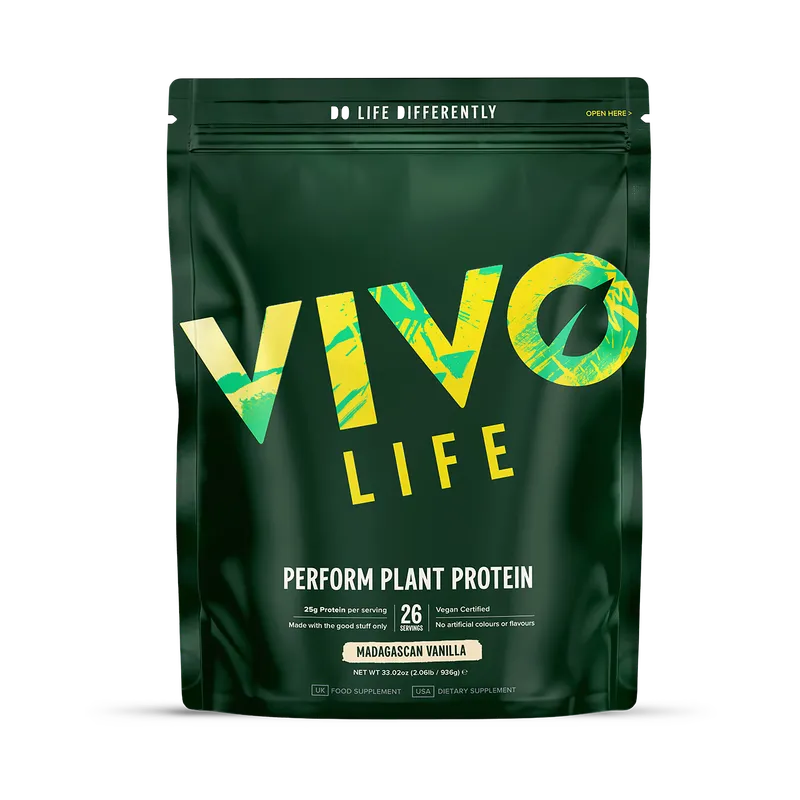
Vivo Life Perform Plant Protein
936g bag
Vivo Life Perform is a fermented pea and hemp blend at 25g protein per 36g serving, with no artificial sweeteners, soy or gums. It is not certified organic, so treat it as the clean-label plant option rather than an organic one, at a premium of roughly £1.70 per 25g of protein.
or compare all UK prices →Best clean-label plant
Vivo Life Perform Plant Protein
936g bagPros
- + Fermented pea and hemp protein, no soy
- + 25g protein per 36g serving at 139 calories
- + No artificial sweeteners, gums or fillers
- + Turmeric added, naturally high in iron
Cons
- – Premium price, roughly £1.70+ per 25g protein
- – 69g protein per 100g, below a good whey
- – Not certified organic, so it is a clean-label pick rather than an organic one
●Nutrition per scoop · 25g protein in 36g▼
Protein makes up 69%
of this 36g scoop · 135 kcal total
Non-organic value benchmark
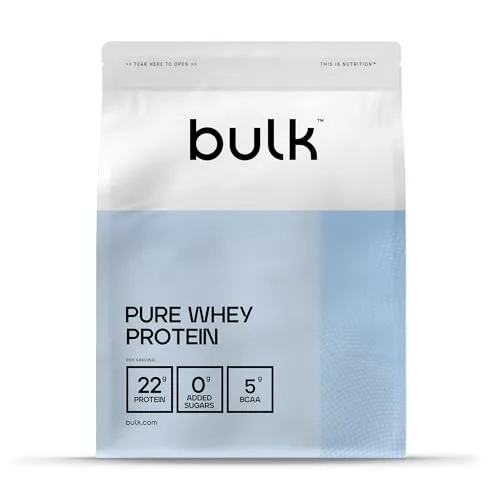
Bulk Pure Whey Protein
1kg bag
Bulk Pure Whey is the non-organic value benchmark at 60 to 80p per 25g of protein, roughly half the cost of organic whey. Informed Sport tested but conventionally farmed, so pick it when price beats the organic mark.
or compare all UK prices →Non-organic value benchmark
Bulk Pure Whey Protein
1kg bagPros
- + Among the cheapest UK whey at 60 to 80p per 25g
- + Informed Sport batch tested
- + 50+ flavours to choose from
- + Roughly half the cost of organic whey
Cons
- – Not organic or certified grass-fed
- – Concentrate at 70 to 75% protein
- – Flavoured versions contain sweeteners
●Nutrition per scoop · 22.7g protein in 32g▼
Protein makes up 71%
of this 32g scoop · 120 kcal total
Is organic protein powder worth it?
Organic protein powder is worth it if pesticide-free, higher-welfare and traceable sourcing genuinely matters to you, and you accept paying 2 to 3 times more per gram of protein for it. The Organic Protein Co at around £1.02 per 25g versus Bulk Pure Whey at 60 to 80p is a real, ongoing cost difference, not a one-off.
It is not worth it if your only goal is hitting a daily protein target at the lowest price. In that case a conventional whey concentrate wins on both cost and protein density, and the organic mark adds nothing you can measure in your training. There is no evidence that organic protein builds more muscle; the benefit is about how the raw ingredients were farmed, which is an ethical and food-quality choice rather than a performance one.
Which organic source suits you
The organic question is separate from the whey-versus-plant one. Organic whey is easier to find certified and gives you a complete amino acid profile from a single source. Organic plant blends are the route if you are vegan or dairy-sensitive, and the trade-off worth knowing is that the cleanest plant blends often are not certified organic at all, so you may end up choosing between the short ingredient list and the certification. If you are weighing plant against dairy on the merits rather than on certification, see vegan protein vs whey protein.
Whichever you choose, compare live prices before you buy, because organic products go on sale less often than the big conventional brands, so the gap to a discounted conventional whey can be even wider than the sticker price suggests. See current prices in the whey concentrate comparison and the vegan protein comparison, or browse every UK protein ranked by cost per 25g on the main comparison table. For related reading, see our guides to the cleanest protein powders and the best vegan protein.
Frequently asked questions
What is the best organic protein powder in the UK?
The Organic Protein Co Organic Whey is the best certified organic whey in the UK, delivering around 79g of protein per 100g from organic grass-fed milk with a single-ingredient label. Genuinely certified organic plant proteins are rare on UK shelves, so plant eaters who want the same clean sourcing usually land on Vivo Life Perform, a fermented pea and hemp blend with no artificial sweeteners, soy or gums. Both sit at a premium of roughly £1.20 to £1.70 per 25g of protein.
Is organic protein powder better than regular protein powder?
Organic protein powder is not higher in protein than regular protein powder, and is usually a little lower per 100g because it is processed more gently. What the organic mark certifies is the sourcing: organic whey comes from cows on organic feed without routine antibiotics, and organic plant protein is grown without synthetic pesticides. It is better only if that sourcing matters to you.
Does organic whey have less protein?
Yes, organic whey typically has slightly less protein per 100g than a conventional isolate. Organic whey concentrates sit around 75 to 80g protein per 100g, while a conventional whey isolate reaches 85 to 90g. The gentler, additive-free processing that keeps the powder organic also means a less concentrated final protein figure.
Is organic protein powder worth the extra cost?
Organic protein powder is worth the extra cost if you specifically want pesticide-free, traceable, higher-welfare sourcing and are willing to pay 2 to 3 times more per gram of protein. If your priority is hitting a protein target at the lowest price, a conventional whey concentrate at 60 to 80p per 25g is much better value than organic at £1.20 or more.
Related reading
Why Does My Protein Bar Taste Artificial? Ingredients to Avoid
Why protein bars taste artificial and cause bloating: maltitol, sucralose, polydextrose, chicory fibre, IMO and collagen explained, plus which Myprotein, Protein Works and Bulk bars skip sweeteners, palm oil and seed oils. Ingredient lists.
8 min read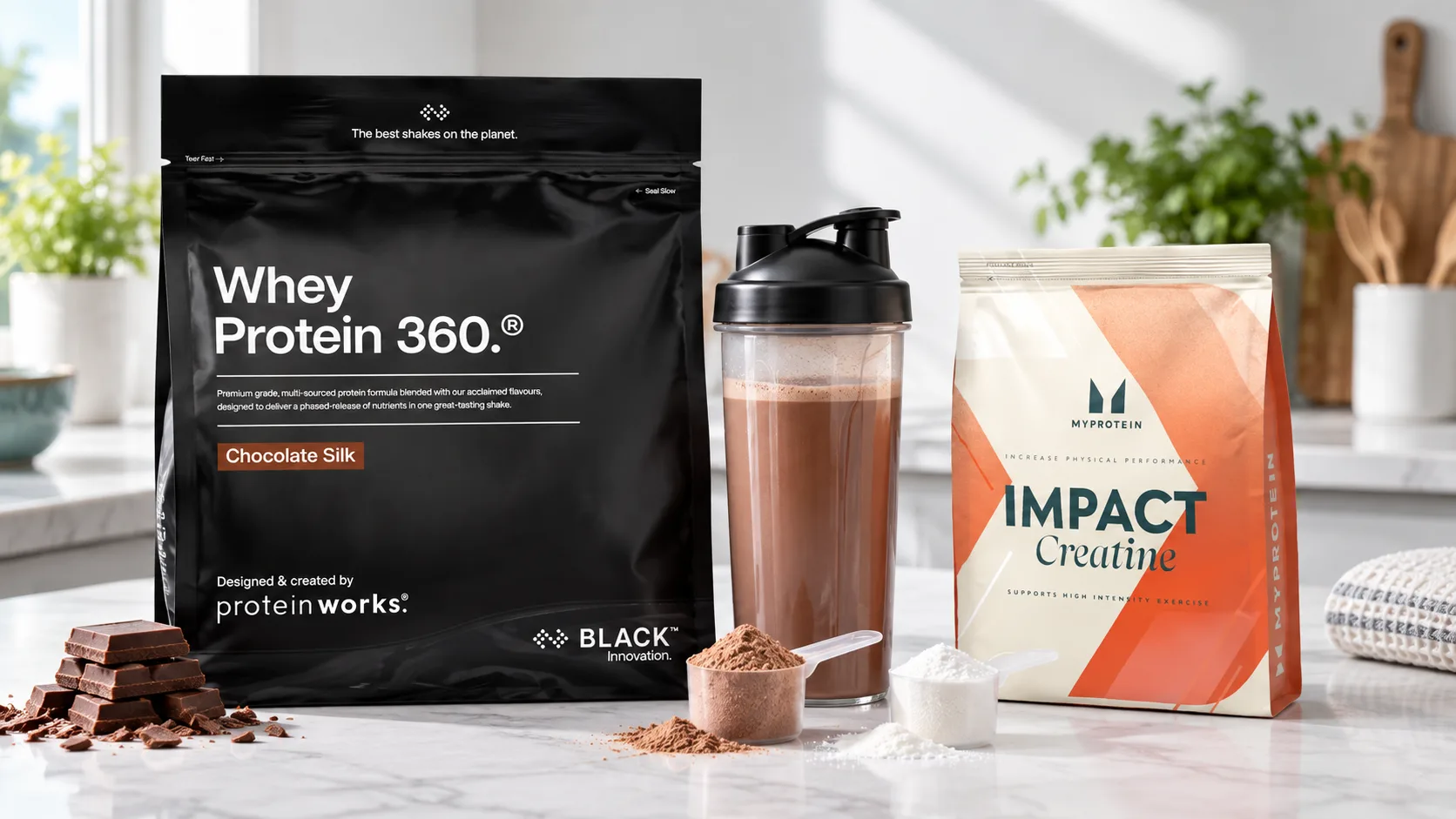
Can You Mix Creatine With Protein Powder? Cost Per Day
Whether creatine and protein powder can go in the same shake, what the research says about taking them together, when to drink it, and what the combination costs per day, checked September 2026.
6 min read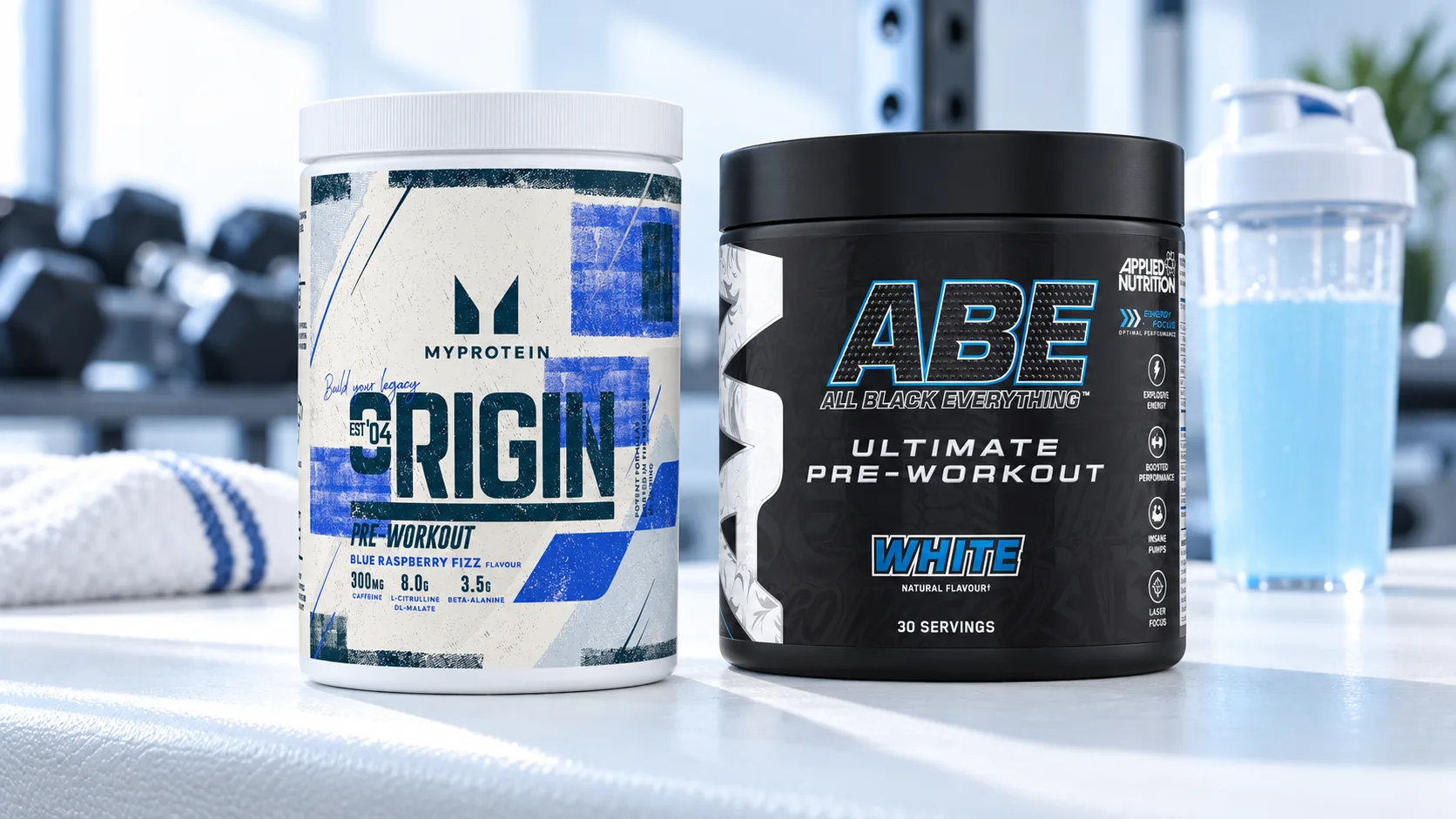
What Is in Pre-Workout, and What Does It Cost?
The ingredients in a typical UK pre-workout, what the evidence says caffeine, citrulline and beta-alanine do, when to take it, and the price per serving of Applied Nutrition ABE and Myprotein Origin, checked September 2026.
7 min readFind your cheapest protein
719 products compared from 181 brands
Sorted by best value per 25g of protein.
Compare all products