UK Protein Brands Worth Buying in 2026, and the Ones That Are Just Loud
2026 was the year UK protein brands changed hands rather than launched. Who bought whom, which brand has genuine momentum, which is quietly shrinking, and the unfamiliar British names that undercut everything on cost per gram of protein.
Kevin, founder of WheyWise
Quick answer
The real protein brand story of 2026 is consolidation, not new arrivals. Lactalis completed its purchase of The Protein Works, and Danone was cleared by the CMA on 20 August 2026 to buy Huel. The one genuine independent momentum story is Applied Nutrition, which grew first-half FY26 revenue 57% to £74.5m. On price, the brand worth buying is one most people have never heard of: Pure Source Nutrition's soy protein isolate costs about 22p per 25g of protein in the 5kg bag, against 96p for Myprotein Impact Whey and £1.23 for Optimum Nutrition Gold Standard. If you want whey rather than soy, NutriSport Whey Protein Isolate is about 46p. And the new UK entrants are not startups, they are established foreign brands buying distribution.
Which UK protein brands are worth buying in 2026?
If you buy on cost per gram of protein, the answer is a set of British brands most people have never heard of. WheyWise price checks put Pure Source Nutrition's soy protein isolate at about 22p per 25g of protein and XCelerate Nutrition's pea protein isolate at 25p, with Sports Fuel at 25p bought direct. Myprotein Impact Whey is 96p and Optimum Nutrition Gold Standard £1.23.
If you buy on flavour and consistency, the familiar names still earn their premium, and this guide is not going to pretend otherwise. But the gap is now large enough that it is worth knowing what you are paying for.
The real 2026 story: who bought whom
Lactalis completed its acquisition of The Protein Works. The business carried roughly £55m of turnover and 150 staff, and the Liverpool headquarters and Speke manufacturing plant were retained. Lactalis is one of the largest dairy groups in the world, which puts a whey-heavy brand inside a company that controls a lot of the raw material.
Danone was cleared by the CMA on 20 August 2026 to acquire Huel for £860m. Huel reported £254m of revenue with UK sales of £139.3m, up 26.5%. Worth being precise here: as at the time of writing the competition authority had cleared an anticipated acquisition, which is not the same as the deal having completed.
For a buyer, consolidation cuts both ways. Ownership by a dairy major can mean better raw-material access and more stable pricing. It can also mean range rationalisation and less of the aggressive independent discounting that made these brands cheap in the first place. Neither has played out yet, and anyone telling you it definitely will is guessing.
Which brands actually have momentum?
Applied Nutrition is the genuine UK growth story. FY25 revenue was £107.1m, up 24%, and first-half FY26 revenue reached £74.5m, up 57%, with full-year guidance upgraded twice to around £148m. It also bought a US manufacturer in June 2026. That is real commercial momentum rather than social-media noise, and it is unusual for a brand at that size.
Optimum Nutrition is growing by raising prices. Glanbia reported like-for-like Performance Nutrition growth of 22.0% in Q2 2026, of which 12.4 percentage points came from pricing rather than volume, with ON first-half sales up 25%. The company has raised ON prices twice since November 2025. That is the market data behind what buyers notice on the shelf, and it is covered in more detail in why Optimum Nutrition is so expensive.
MyProtein has stabilised. Q4 2025 revenue was £157.2m, up 8.5% in constant currency, a fifth consecutive quarter of growth. But margin fell from 5.9% to 4.7%, and the growth is coming from licensed products, TikTok Shop and Amazon rather than from cheap powder.
The new arrivals are not startups. ESN, a large German brand whose parent group turns over around €683m, launched in the UK in January 2025 and already appears in our tracking with four protein products, from £46.40 for a 1kg bag on Amazon UK. Glanbia brought Isopure into UK retail in October 2025 through Holland and Barrett, Boots, Sainsbury's and Ocado. The Australian brand Bodie'z arrived in January 2026. Buying distribution is how you enter the UK protein market now, and that says something about how hard it has become to start from nothing.
The momentum brand
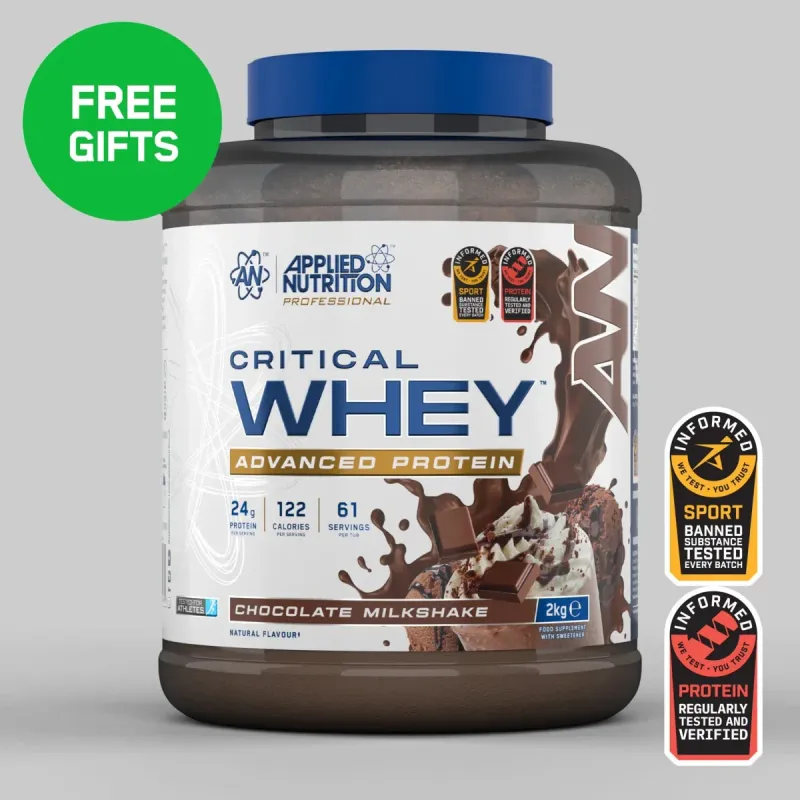
Applied Nutrition Critical Whey Protein Powder
825g bag
The brand with the clearest commercial momentum in UK protein right now, and priced in the middle rather than at the top. About 93p per 25g of protein at about 72g per 100g.
Buy Critical Whey Protein Powder →See the price on AmazonThe momentum brand
Pros
- + First-half FY26 revenue up 57% to £74.5m, the strongest independent growth of any UK protein brand this year
- + About 93p per 25g of protein in the 2kg bag on Amazon, just under Myprotein Impact Whey at 96p and well under Optimum Nutrition Gold Standard at £1.23
- + About 72g of protein per 100g, more than Bulk Basic Whey at 56g
Cons
- – About 34p more per 25g of protein than Bulk Basic Whey, though Bulk Basic is a whey and soy blend
- – Growth has not translated into price cuts: prices rose on 9 of the 12 Applied Nutrition products we compared since late August
●Nutrition per scoop · 23.8g protein in 33g▼
Protein makes up 72%
of this 33g scoop · 128 kcal total
Supermarket own-label is now a real price anchor
Supermarket protein stopped being a joke somewhere around 2025. Aldi expanded its protein range with nine new lines, explicitly citing the protein-ball virality on TikTok and Instagram as the reason.
The strategic point matters more than any individual product. When a discounter puts protein on a mainstream shelf at a mainstream price, it sets a reference point that the specialist brands have to answer. That pressure is part of why the gap between the cheapest specialist brands and the best-known ones has widened rather than narrowed.
We have covered how supermarket options stack up against the direct-to-consumer brands in supermarket protein powder in the UK.
The British brands you have not heard of
This is where the actual value is, and it is worth naming them properly rather than gesturing at "budget brands". Pure Source Nutrition is the cheapest we can verify at about 22p per 25g of protein, and all four brands below cost less than half as much per gram of protein as Myprotein Impact Whey.
| Brand | Products we track | Cheapest product | Protein per 100g | Cheapest per 25g protein |
|---|---|---|---|---|
| Pure Source Nutrition | 4 | Soy Protein Isolate, 5kg, £39.99 on Amazon | 90g | 22p |
| XCelerate Nutrition | 3 | Pea Protein Isolate, 5kg, £39.99 on Amazon | 80g | 25p |
| Sports Fuel | 4 | Premium Protein (whey, casein, soy and wheat blend), 5kg, £39.99 direct or £49.99 on Amazon | 79g | 25p direct, 32p on Amazon |
| NutriSport | 5 | Whey Protein Isolate, 5kg, £69.99 on Amazon | 76.5g | 46p |
Cheapest in-stock pack per brand at the UK retailers we track, with protein per 100g from each brand's own label (Sports Fuel's label lists 79.04g). Sports Fuel's direct price is Bodybuilding Warehouse's. Brands are only listed where we could confirm the label figure.
Two things stand out. Three of the four cheapest are plant isolates or blends rather than whey: the cheapest whey we can verify is NutriSport Whey Protein Isolate at about 46p, still less than half the price of Myprotein Impact Whey at 96p. And plain soy and pea isolates carry 80g to 90g of protein per 100g, which is a big part of why they come out so cheap per gram.
The honest caveat: at the very bottom of this range you are usually trading flavour for price. UK buyers on Reddit who have bought the 5kg budget bags consistently report that the flavouring is faint enough that some products are close to unflavoured. That is a real cost if you are going to drink it every day, and it is why the sensible move with an unfamiliar brand is a small bag first.
Best brand you have not heard of
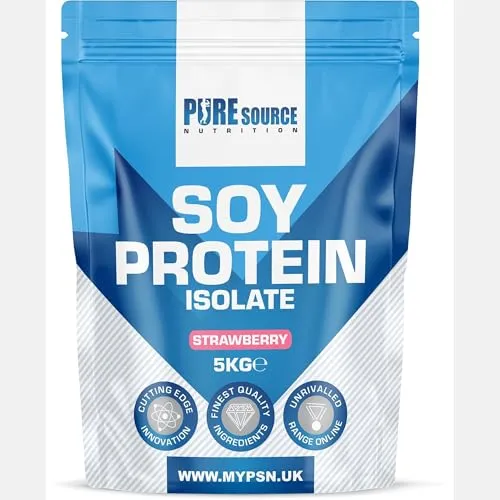
Pure Source Nutrition PSN Soy Protein Powder
2.5kg bag
The clearest case for an unfamiliar brand: a plain soy isolate at 90g of protein per 100g for about 22p per 25g of protein, under a quarter of the price of Myprotein Impact Whey. Buy a small bag first if flavour matters to you.
Buy PSN Soy Protein Powder →See the price on AmazonBest brand you have not heard of
Pros
- + About 22p per 25g of protein in the 5kg bag on Amazon at £39.99, the cheapest protein per gram we can verify
- + 90g of protein per 100g on Pure Source Nutrition's own label
- + Soy protein isolate, a complete plant protein
Cons
- – Soy rather than whey, so the taste and texture differ from a whey shake
- – No large public review record to check flavour against before you buy
●Nutrition per scoop · 27g protein in 30g▼
Protein makes up 90%
of this 30g scoop · 114 kcal total
Which brands are quietly shrinking?
Grenade is the cautionary tale nobody writes about. UK sales fell from £83.3m to £71.5m in 2024, and the Mondelez-owned business swung from a £12.1m profit to a £237,763 pre-tax loss, in a year when the wider UK protein category grew.
That is a commercial signal, not a product one. Nothing about the powder changed. But a brand in decline tends to mean fewer flavours in stock, thinner distribution and less promotional activity over time, which are the things a regular buyer actually notices.
The opposite case is worth naming too, because reputation lags reality in both directions. Sci-MX, a brand many UK lifters mentally filed under "2010s", is alive and growing under Supreme plc, which now reports it as the UK's fastest growing vegan powder inside a group turning over £270.2m, up 17%. You can see its current range on the Sci-MX brand page.
How to judge a brand you have never heard of
Three checks, in order of how much they tell you.
1. Protein per 100g, not per serving. A per-serving figure can be made to look good by growing the scoop. Per 100g cannot. If a product only advertises grams per serving and hides the per-100g figure, that is the single most useful red flag there is. Anything from 70g per 100g up is a normal concentrate; 80g and above is isolate territory.
2. A real company behind it. A UK registered address, a trading history and more than one product. A brand with a single listing and no range is more likely to be a white-label reseller than a manufacturer, which is not automatically bad but does mean nobody is accountable for consistency between batches.
3. Independent testing, if it matters to you. Informed Sport certification means batch testing against banned substances. It matters enormously if you compete and almost not at all if you do not, and it does cost money, which is part of why budget brands rarely carry it. We cover this properly in the best third-party tested protein powders.
What is not a useful check: how slick the branding is, how many influencers have posted about it, or how new it looks. On the evidence above, the brands with the most marketing presence in 2026 are also the most expensive per gram of protein, and one of the loudest is shrinking.
You can browse every brand we track on the brand comparison index, rank the whole market by value on the cheapest protein comparison, or put two brands head to head in the protein comparison tool. If you would rather answer a few questions than read a table, the protein finder takes about a minute.
Frequently asked questions
Which UK protein brand is the best value in 2026?
On cost per gram of protein, the best value comes from brands most buyers have not heard of. Pure Source Nutrition's soy protein isolate costs about 22p per 25g of protein in the 5kg bag on Amazon and XCelerate Nutrition's pea protein isolate about 25p, while Sports Fuel Premium Protein, a whey, casein, soy and wheat blend, is 25p bought direct. The cheapest whey we can verify is NutriSport Whey Protein Isolate at about 46p. For comparison Myprotein Impact Whey is 96p and Optimum Nutrition Gold Standard £1.23. The trade-off is usually flavouring rather than protein content.
Are there any genuinely new protein brands in the UK?
Not many startups. The credible new arrivals of 2025 and 2026 are established foreign brands buying UK distribution: ESN from Germany launched in the UK in January 2025, Glanbia brought Isopure to UK retail in October 2025, and the Australian brand Bodie'z arrived in January 2026. ESN already appears in our price tracking with four protein products, from £46.40 for a 1kg bag on Amazon UK.
Is it safe to buy a protein brand nobody has heard of?
Usually, if you check three things. Look for a stated protein per 100g on the label rather than only a per-serving figure, since a per-serving number can be inflated by a bigger scoop. Look for a UK company address and a real trading history. And look at whether the product carries independent testing such as Informed Sport if that matters to you. A brand being unfamiliar is not a quality signal either way.
Which protein brand changed hands in 2026?
Two of the biggest UK-owned brands. Lactalis completed its acquisition of The Protein Works, keeping the Liverpool headquarters and the Speke plant. Danone received CMA clearance for its £860m purchase of Huel, though at the time of writing that deal had been cleared rather than completed.
Is Grenade still a good protein brand?
Grenade's UK sales fell from £83.3m to £71.5m in 2024 and the Mondelez-owned business went from a £12.1m profit to a £237,763 pre-tax loss, in a year when the wider UK protein category grew. That is a commercial signal rather than a product one: the powder itself did not change. But a shrinking brand tends to mean fewer flavours, thinner stock and less discounting over time.
Related reading
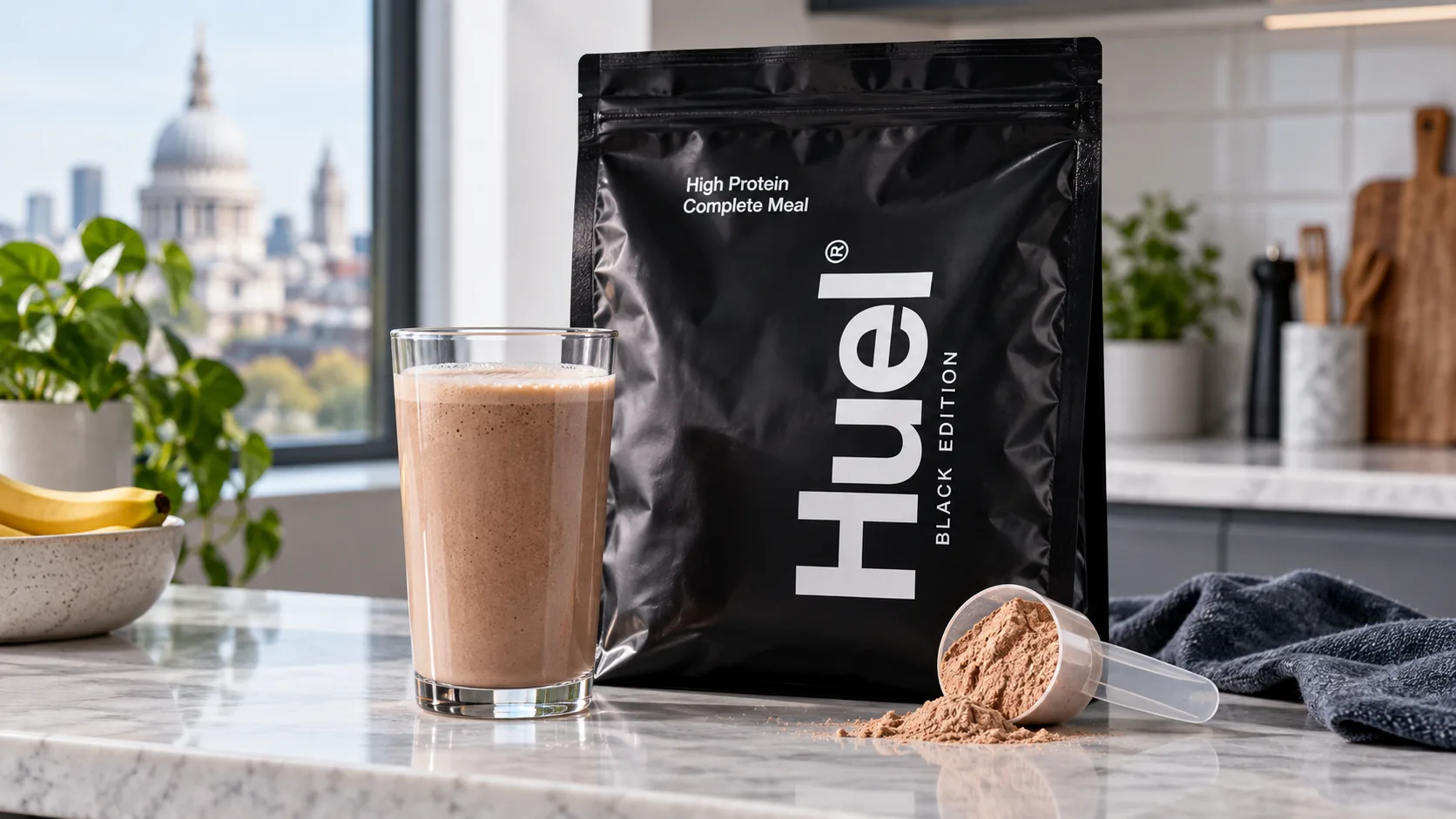
Is Huel Protein Powder Good? Price Per 25g Checked
Huel Complete Protein on its UK label and price: what is in it, 20g of protein per scoop, £1.20 per 25g of protein, and how it compares with whey and cheaper vegan powders, checked September 2026.
6 min read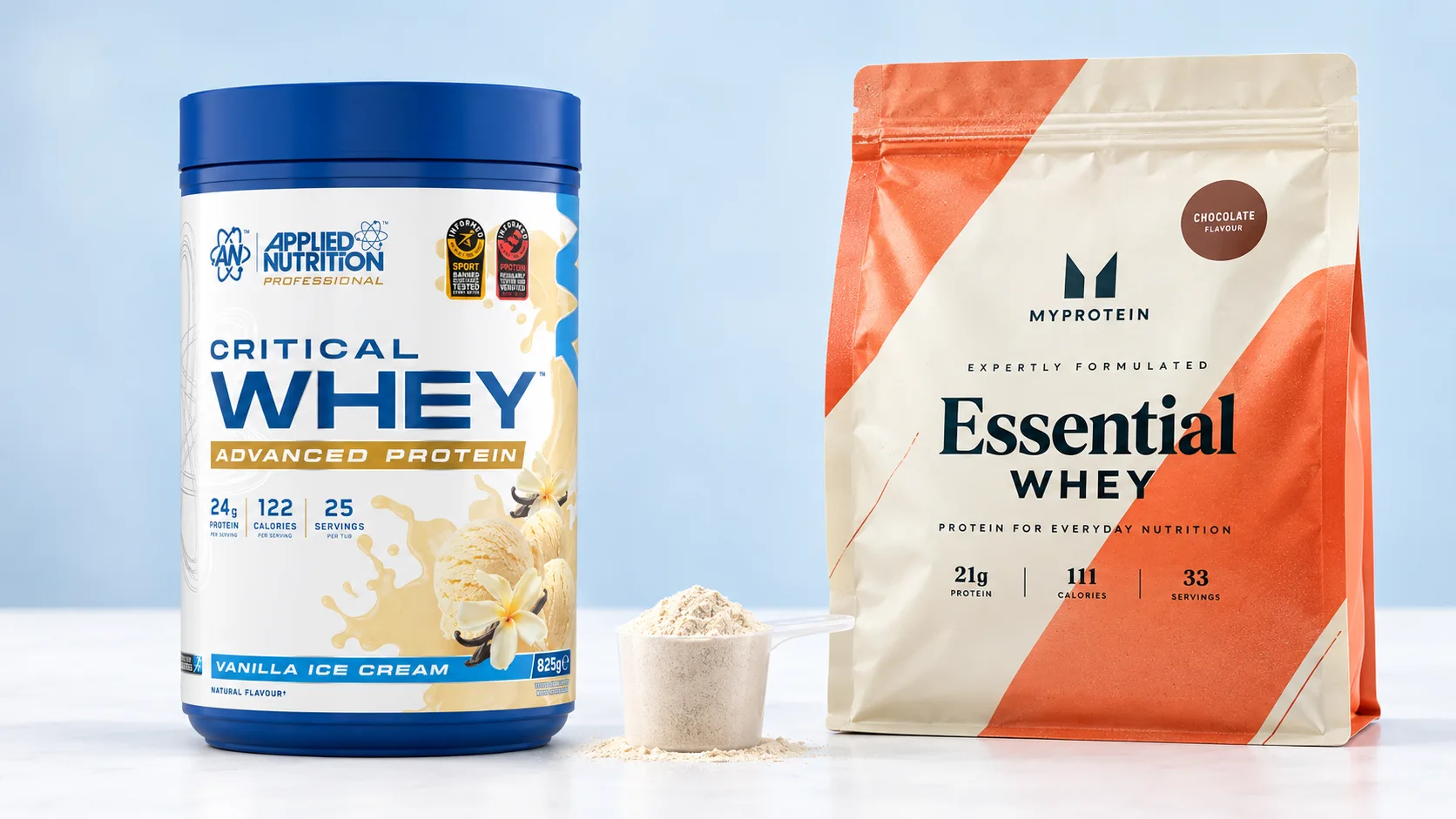
Applied Nutrition vs Myprotein 2026: Which Is Cheaper?
Applied Nutrition Critical Whey against Myprotein Impact Whey on cost per 25g of protein at matching bag sizes, protein per scoop, Trustpilot scores and Informed Sport testing, using prices and labels checked in September 2026.
6 min read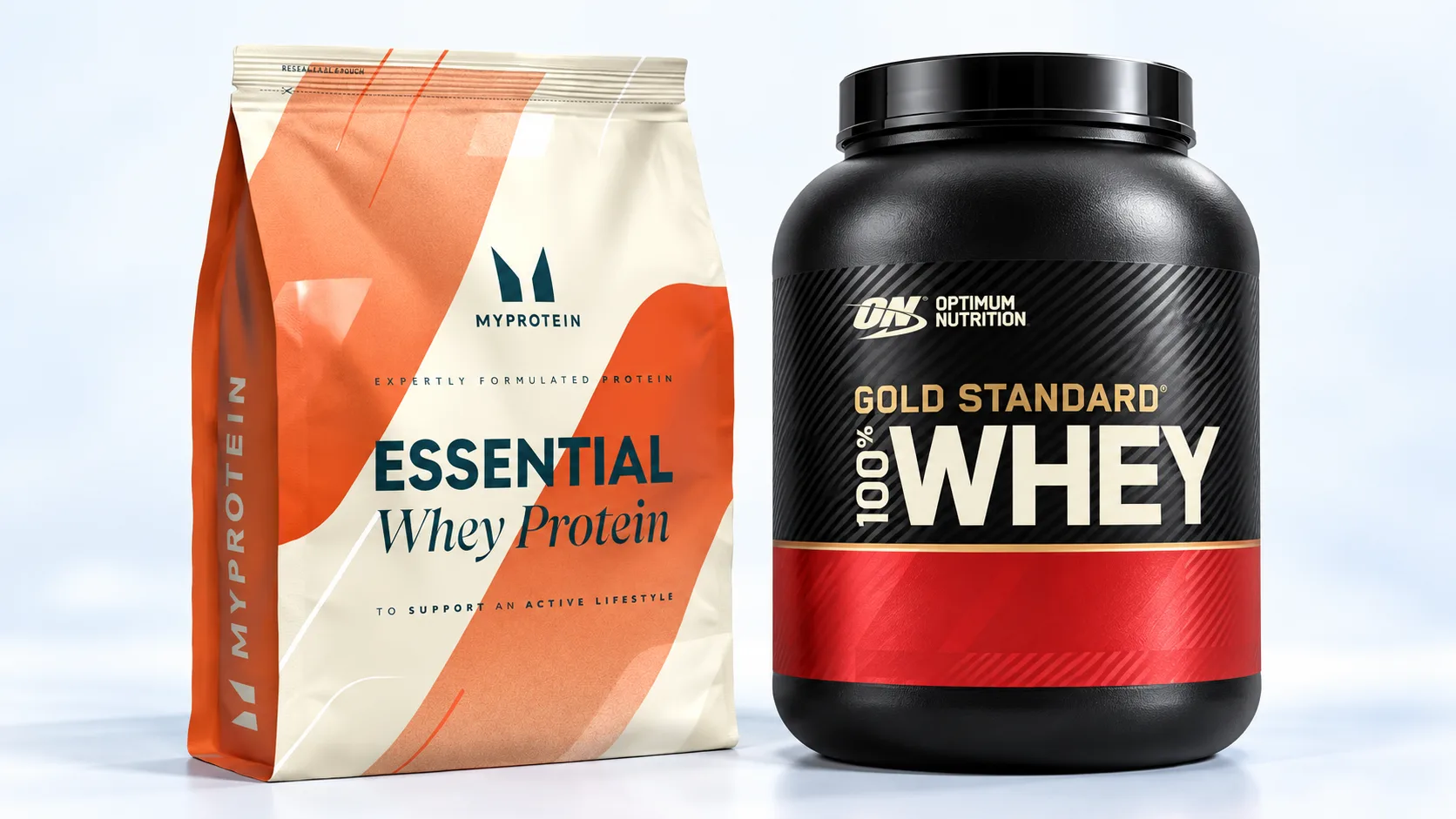
Myprotein vs Optimum Nutrition 2026: Which Is Cheaper?
Myprotein Impact Whey against Optimum Nutrition Gold Standard 100% Whey on cost per 25g of protein at every bag size, protein per scoop, taste and where to buy, using prices and labels checked in September 2026.
7 min readFind your cheapest protein
717 products compared from 180 brands
Sorted by best value per 25g of protein.
Compare all products