Cheapest Mass Gainer UK - Are They Worth It?
Most mass gainers are mostly maltodextrin. Here is what the cheapest options in the UK actually contain and which ones offer real value.
Kevin, founder of WheyWise
Quick answer
Most mass gainers are largely maltodextrin, cheap carbs with some whey stirred in, so the ingredient list matters far more than the marketing. Of the cheap options, Optimum Nutrition Serious Mass gives the most reliable value, while Applied Nutrition Critical Mass carries the highest real protein per serving if that is your priority. Honestly, you can match most gainers by blending oats, milk and a scoop of your normal whey for less. Buy a ready-made gainer only for the convenience, not because it does something you cannot do yourself.
Mass gainers are one of the most marketed supplements in the UK fitness space. Big tubs, big calorie counts, big promises. But if you flip the bag over and read the ingredients, most of them are selling you something you could buy for a fraction of the price at any supermarket: maltodextrin.
That does not mean every mass gainer is a waste of money. A few offer genuinely useful formulas with decent protein content and cleaner carb sources. The trick is knowing which ones are worth it and which ones are overpriced sugar.
We track prices across 85+ UK protein brands on WheyWise, so we have the data to compare them fairly. Here is what the cheapest mass gainers in the UK actually contain.
What is a mass gainer and who needs one?
A mass gainer is a high-calorie protein powder designed for people who struggle to eat enough food to gain weight. They are sometimes called weight gainers or bulking powders.
The target audience is hardgainers: people with fast metabolisms or small appetites who find it physically difficult to eat enough calories from food alone. If you are already hitting your calorie target through regular meals, you almost certainly do not need one.
Mass gainers are meant to sit alongside a proper diet. They fill the gap between what you can eat and what you need to eat. If you can close that gap with food, save your money.
What's actually in a mass gainer?
Here is the honest truth: most mass gainers are mostly maltodextrin. That is a cheap, highly processed carbohydrate derived from corn or wheat starch. It has a high glycemic index, no nutritional value beyond calories, and costs manufacturers very little to produce.
A typical mass gainer ingredient breakdown looks like this:
- 60 to 70% maltodextrin or similar carb filler
- 20 to 30% whey protein or a protein blend
- Flavouring, sweeteners, thickeners
- Sometimes added creatine, glutamine, or vitamins
Some premium options use oat flour, sweet potato powder, or MCT oil instead of maltodextrin. These are better choices nutritionally, but they cost more.
The protein quality varies hugely between brands. Some use 100% whey protein concentrate or isolate. Others pad the blend with cheap soy protein or wheat protein to hit a number on the label without spending on quality ingredients.
The cheapest mass gainers in the UK right now
Compare the cheapest mass gainer productsFor live, updated prices across every mass gainer we track, check the mass gainer comparison table. Prices change weekly, so always check before buying.
Ingredients compared: what separates good from bad
Not all mass gainers are created equal. Here is what to look for on the label.
Good signs
- Whey protein concentrate or isolate listed as the first protein source
- Oat flour or ground oats as the main carbohydrate
- Low sugar content (under 10g per 100g)
- Short ingredient list with recognisable ingredients
Bad signs
- Maltodextrin as the first ingredient
- Protein blend that includes soy protein or wheat protein
- More than 10 ingredients
- Sugar content above 15g per 100g
MyProtein Impact Weight Gainer and Applied Nutrition Critical Mass use cleaner formulas than most. MyProtein uses oat flour as its primary carb source, which provides slower energy release and more fibre than maltodextrin. Applied Nutrition includes added creatine, which is a genuinely useful addition.
Always compare by protein per 100g. Serving sizes can be 200g or even 300g+, which makes per-serving comparisons misleading. A product with "50g protein per serving" sounds good until you realise the serving is 334g.
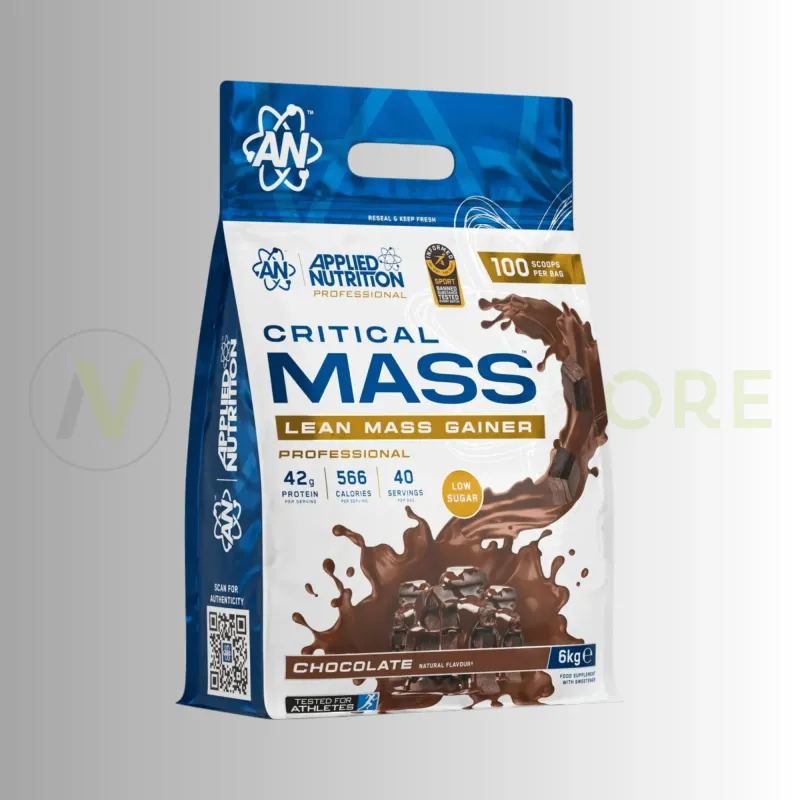
Applied Nutrition Critical Mass Professional Lean Mass Gainer
6kg bag
One of the most affordable protein powder options in the UK. Strong cost efficiency.
Buy Critical Mass Professional Lean Mass Gainer →See the price on AmazonPros
- + Strong value per 100g
- + Widely available in the UK
Cons
- – High serving size
●Nutrition per scoop · 42g protein in 150g▼
Protein makes up 28%
of this 150g scoop · 557 kcal total
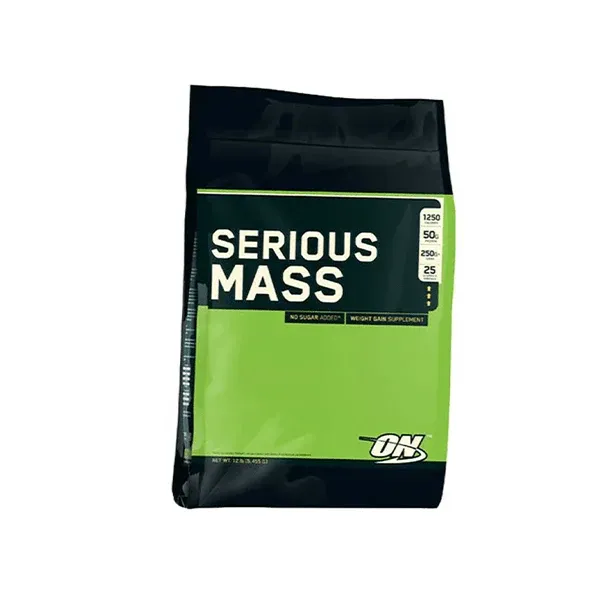
Optimum Nutrition Serious Mass Gainer
5.45kg bag
Competitively priced protein powder from Optimum Nutrition. Good balance of quality and value.
Buy Serious Mass Gainer →See the price on AmazonOptimum Nutrition Serious Mass Gainer
5.45kg bagPros
- + Competitive pricing
- + Widely available in the UK
Cons
- – Lower protein ratio
- – High serving size
●Nutrition per scoop · 50.3g protein in 335g▼
Protein makes up 15%
of this 335g scoop · 1263 kcal total
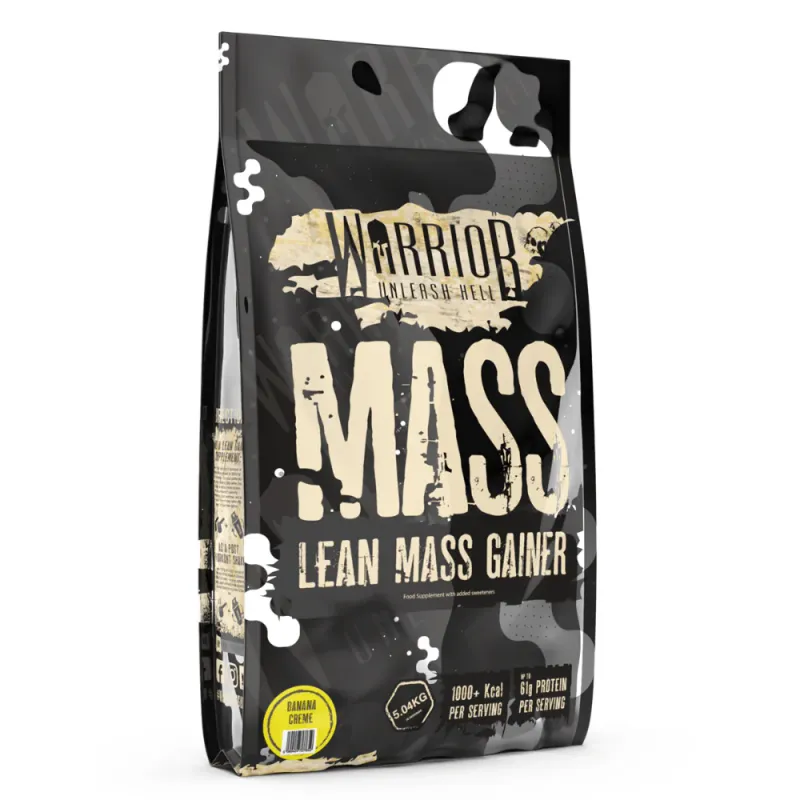
Warrior Mass Gainer Protein Powder
5kg bag
One of the most affordable protein powder options in the UK. Strong cost efficiency.
Buy Mass Gainer Protein Powder →See the price on AmazonPros
- + Strong value per 100g
- + Widely available in the UK
Cons
- – Lower protein ratio
- – High serving size
●Nutrition per scoop · 61g protein in 280g▼
Protein makes up 22%
of this 280g scoop · 1047 kcal total
Mass gainer vs making your own
The cheapest mass gainer of all is the one you make yourself. A DIY mass gainer shake is simple:
- 1 scoop whey protein (25g protein)
- 80g oats (blended into powder)
- 1 tablespoon peanut butter
- 1 banana
- 300ml whole milk
That gives you roughly 700 calories and 45g of protein. The cost? Roughly 1 to 1.50 per shake using supermarket ingredients and a decent whey concentrate.
A commercial mass gainer typically costs 2 to 4 per shake, depending on the brand and bag size. So DIY saves you roughly 50 to 70% per serving.
The trade-off is convenience. Commercial mass gainers are faster to prepare: scoop, shake, done. A DIY shake needs a blender and a few minutes of prep. If you are rushing between lectures or shifts, that matters.
For a deeper dive into the cost breakdown, read our affordable mass gainer UK guide.
Mass gainer vs whey protein - which should you buy?
This is the question most people should ask before buying a mass gainer. In most cases, whey protein is the better buy.
Whey protein gives you more protein per pound spent. A typical whey concentrate delivers 70 to 80g of protein per 100g. A typical mass gainer delivers 20 to 30g. Per gram of protein, whey is dramatically cheaper.
If you can eat enough food to hit your calorie target, buy whey protein and eat more food. It is cheaper, cleaner, and gives you more flexibility with your diet.
Mass gainers only make sense in one specific scenario: your appetite is genuinely too low to eat enough solid food. If you are eating three meals a day and still not gaining weight, a mass gainer shake between meals can help bridge the gap.
For most people, buying a bag of whey concentrate and adding your own carbs is the smarter move.
The verdict
Most mass gainers are overpriced maltodextrin. That is the blunt reality. You are paying a premium for convenience and marketing, not for quality nutrition.
But a few options stand out. MyProtein Impact Weight Gainer uses oat-based carbs and delivers 29g protein per 100g. Applied Nutrition Critical Mass offers 28g protein per 100g with added creatine. These are the ones worth considering if you genuinely need a commercial mass gainer.
For the latest prices on every mass gainer we track, check the mass gainer comparison table. It updates weekly and sorts by best value per serving.
Related reading
Can You Mix Creatine With Protein Powder? Cost Per Day
Whether creatine and protein powder can go in the same shake, what the research says about taking them together, when to drink it, and what the combination costs per day, checked September 2026.
6 min read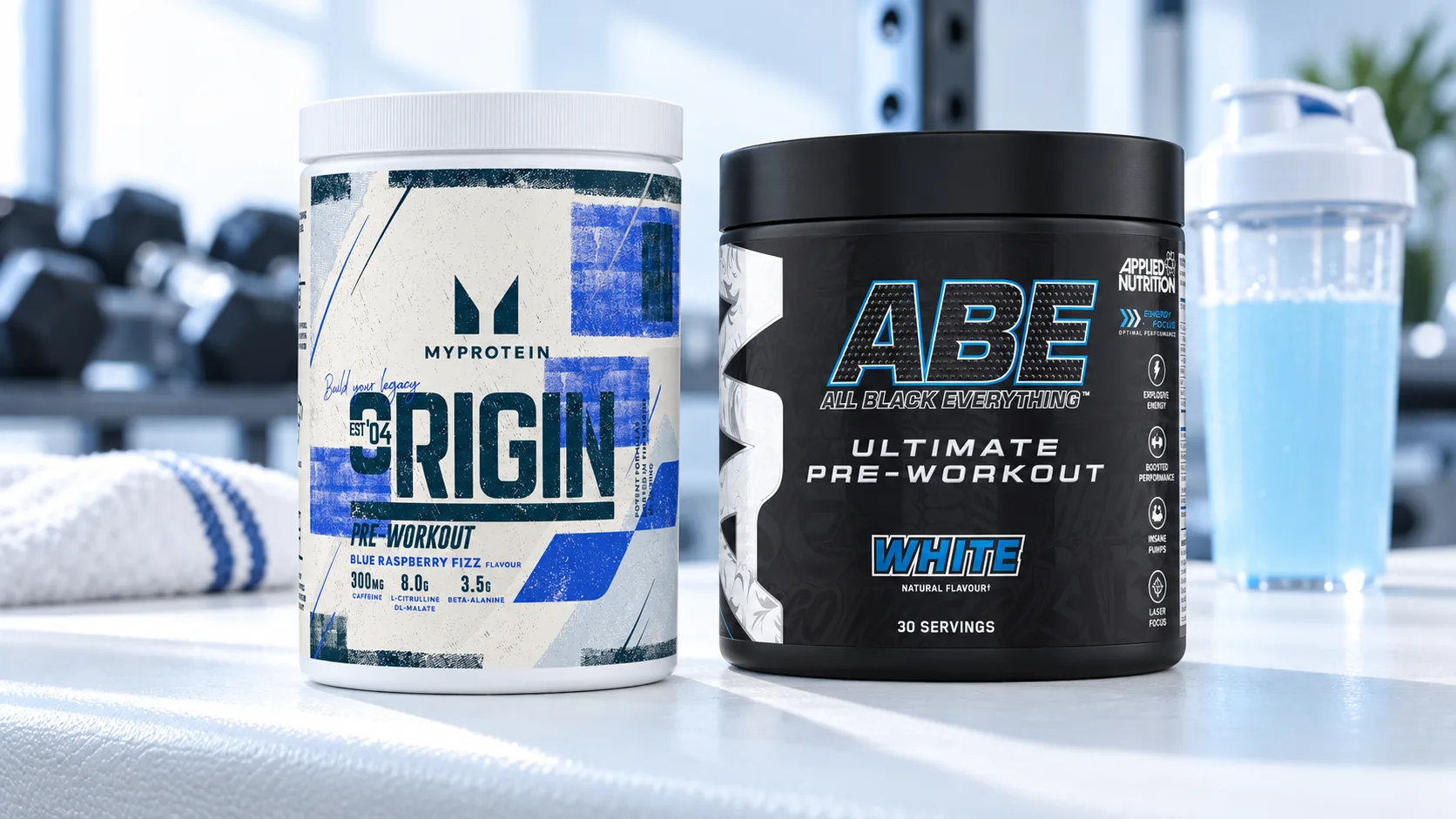
What Is in Pre-Workout, and What Does It Cost?
The ingredients in a typical UK pre-workout, what the evidence says caffeine, citrulline and beta-alanine do, when to take it, and the price per serving of Applied Nutrition ABE and Myprotein Origin, checked September 2026.
7 min read
Vegan Protein vs Whey: What the Evidence Actually Says
Soy actually outscores whey on the modern protein-quality metric, pea and rice do not, and at the budget end of the UK market plant now costs less per gram of protein. A head to head on the evidence rather than the marketing.
9 min readFind your cheapest protein
711 products compared from 179 brands
Sorted by best value per 25g of protein.
Compare all products