Quick answer
If a shake gives you a headache, the usual culprit is E150c, a caramel colouring in a lot of chocolate-flavoured powders. Check your tub's ingredients for it, and for artificial sweeteners, and if it is there, switch to an unflavoured or clean-label powder with a short ingredient list. That fix sorts it for most people. If the headaches carry on even with a clean powder, it is worth mentioning to your GP.
If you have ever had a headache after drinking a protein shake, you are not imagining it. For most people, protein powder is perfectly fine. But for those with food sensitivities - particularly to artificial additives - certain ingredients commonly used in flavoured protein powders can trigger headaches, bloating, or general discomfort.
One of the most common culprits is an additive you have probably never heard of: E150c.
What is E150c?
E150c, also known as ammonia caramel or caramel colour III, is a food colouring used to give products a brown or caramel appearance. It is found in chocolate-flavoured protein powders, cola drinks, soy sauce, and many processed foods. It is technically approved for use in the UK and EU, but that does not mean everyone tolerates it well.
E150c is produced by heating sugars with ammonia compounds. During this process, a byproduct called 4-methylimidazole (4-MEI) can form. Research has raised questions about 4-MEI, and while the amounts in food are generally considered low, people with additive sensitivities may react to even small quantities.
Why some protein shakes trigger headaches
Flavoured protein powders - especially chocolate, caramel, and toffee variants - often contain multiple additives beyond just E150c. Common ingredients that can contribute to headaches in sensitive individuals include:
- E150c (caramel colour) - the brown colouring in chocolate and caramel flavours
- Artificial sweeteners - sucralose, acesulfame-K, and aspartame are widely used in low-sugar protein powders. Some people report headaches from these, particularly aspartame.
- Artificial flavourings - the "flavour systems" used to make chocolate mint or salted caramel taste convincing involve multiple synthetic compounds
- Thickeners and emulsifiers - xanthan gum, carrageenan, and soy lecithin can cause digestive discomfort in some people, which can present as headaches
The combination matters. A protein powder with E150c, sucralose, and artificial flavouring is stacking multiple potential triggers. If you are sensitive to one, you may be getting a dose of several at once.
How to check your protein powder
Flip to the ingredients list on the back of your protein powder. Look for:
- Colour: Caramel (E150c) or just E150c - common in chocolate flavours
- Sweetener: Sucralose, Acesulfame K, Aspartame - listed near the bottom
- A long ingredients list in general - the more additives, the more potential triggers
Unflavoured protein powders typically have the shortest ingredients lists. A pure whey isolate, for example, might contain only whey protein isolate and sunflower lecithin (an emulsifier). No colours, no sweeteners, no flavourings.
What to try instead
If you suspect your protein shake is causing headaches, the simplest approach is to switch to an unflavoured or minimally flavoured product for a couple of weeks and see if the headaches stop. You do not need to give up protein powder entirely.
Options worth considering:
- Unflavoured whey isolate - typically just whey protein isolate and lecithin. No colours, no sweeteners. The taste is mild and mixes into smoothies without issue.
- Vegan protein blends - pea and rice protein blends tend to have simpler ingredient lists and fewer additives. Some people with dairy sensitivities find these easier to digest overall.
- Naturally flavoured options - some brands use cocoa powder for chocolate flavour instead of synthetic flavourings and E150c. Check for "natural flavourings" on the label.
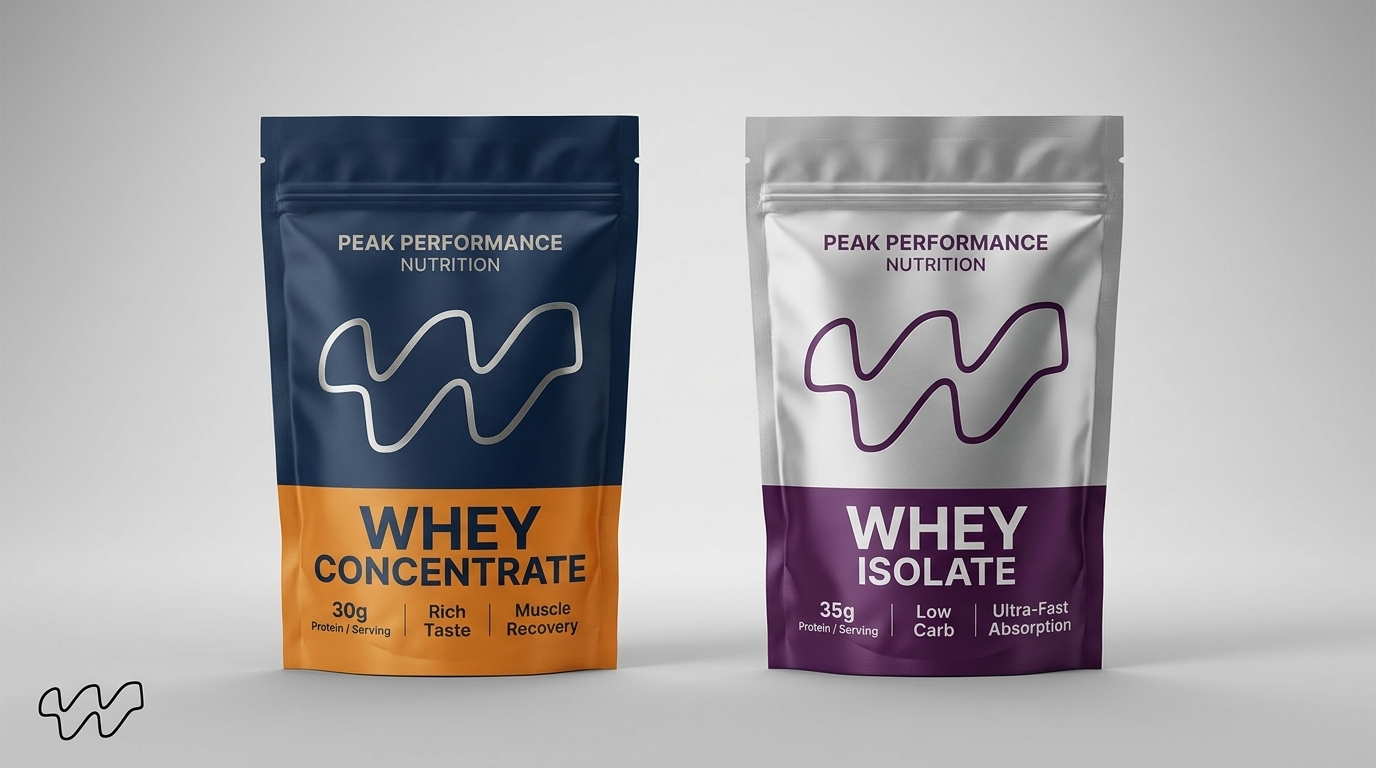
You can compare unflavoured and clean-label options on the protein powder price comparison - filter by brand or type and sort by price to find the best value. The whey isolate category is a good starting point since isolates are more processed and tend to have fewer additives than concentrates.
When to see a doctor
If switching to a cleaner protein powder does not resolve your headaches, or if the headaches are severe, persistent, or accompanied by other symptoms, speak to your GP. Headaches can have many causes beyond food additives, and a medical professional can help rule out other factors.
For most people, the fix is straightforward: check the label, try a simpler product, and pay attention to how your body responds. You should not have to choose between hitting your protein goals and feeling well.