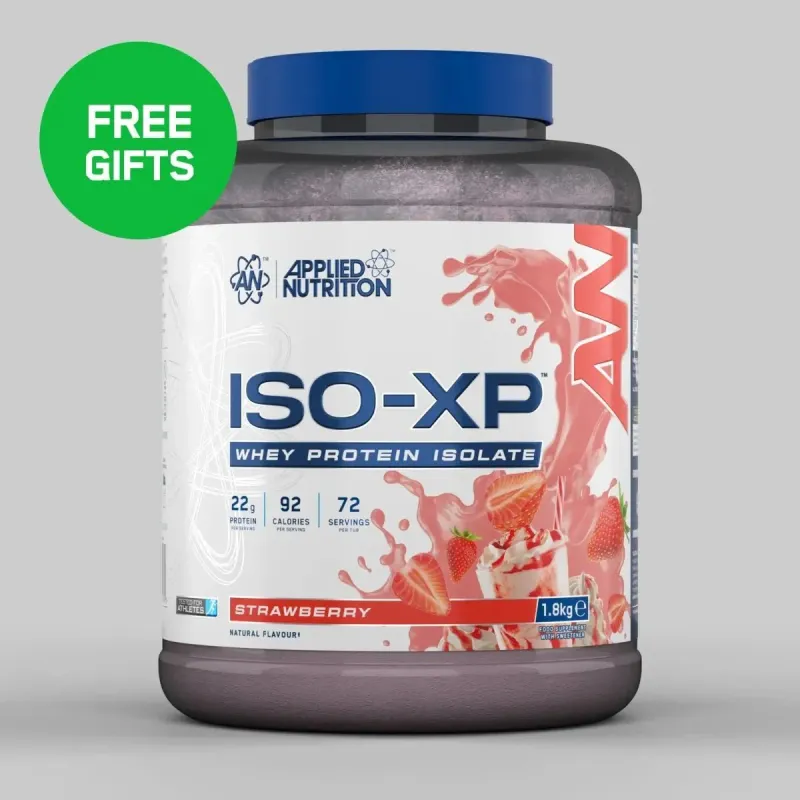
Highest purity, 90% isolate
Applied Nutrition
ISO XP
850g bag
Buy ISO XP →Live price across UK retailersProtein spiking and amino spiking explained: how manufacturers game protein tests, the 3 checks that expose it, and the UK whey proteins that pass, using live price and protein-density data.
Kevin, founder of WheyWise
Highest purity, 90% isolate
Applied Nutrition
850g bag
Buy ISO XP →Live price across UK retailers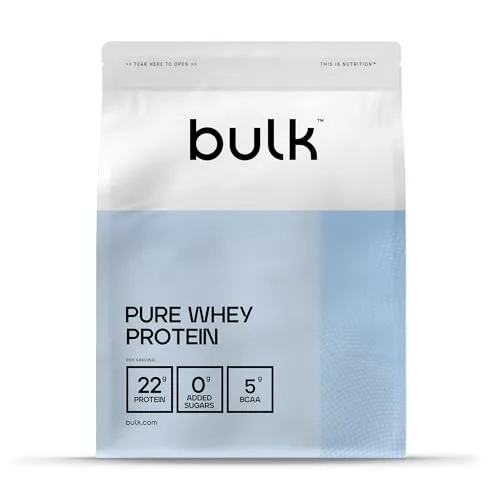
Best value, Informed Sport
Bulk
1kg bag
Buy Pure Whey Protein →Live price across UK retailersQuick answer
Protein spiking (or amino spiking) is when a brand pads a powder with cheap amino acids or fillers so it passes a nitrogen-based protein test and claims more protein than it really delivers. To spot it, run three checks: the label lists a full amino profile with no proprietary blend, it has roughly 2.5g of leucine per 25g of protein, and the price per 25g of protein is not suspiciously cheap. Based on WheyWise data across every UK retailer we track, a fair price is roughly 70p to £1.10 per 25g of protein, and genuine whey rarely costs much less.
Protein spiking is one of the oldest tricks in the supplement industry, and with UK protein prices climbing it is worth understanding before you buy. The good news: you do not need a lab to protect yourself. A few numbers on the back of the tub tell you almost everything, and WheyWise already tracks the two that matter most, protein density and real cost per 25g of protein, across every UK retailer we track.
Protein spiking is when a manufacturer dumps cheap ingredients into a powder so it passes a protein test and can claim a higher protein content than it truly has. It is also called amino spiking, because the cheap ingredients are usually free-form amino acids. The motive is simple: whole whey protein is expensive, free-form aminos and fillers are not, so spiking cuts cost while keeping the headline protein number high.
It matters because not all amino acids are equal. The protein you actually want from whey is rich in the muscle-building aminos, especially leucine. Spiking robs you of those and replaces them with cheaper filler that does far less for recovery or muscle protein synthesis.
Many labs test protein by measuring nitrogen content rather than the individual amino acids. Since every amino acid contains nitrogen, the nitrogen reading is used to estimate protein. That works only if the manufacturer is honest. There are two common ways to game it:
So a tub might claim 25g of protein per serving, but once you subtract the spiked aminos you could be getting far less actual whey. If the front of the pack advertises the protein but the back label does not list the individual amino acids, you simply cannot tell.
You can rule out most spiked products in under a minute with these three checks:
Rather than name and shame, here are established UK whey proteins that pass all three checks: high protein density with no filler padding, a published amino profile with no proprietary blend, and a sane price per 25g of protein. Figures are live from WheyWise; use the links for today's exact price.
| Product | Protein / 100g | From / 25g | Why it passes |
|---|---|---|---|
| Applied Nutrition ISO-XP | 90g | ~£0.97 | 90% isolate, near-zero carbs, full amino profile |
| Bulk Pure Whey Isolate | 84g | ~£1.01 | 84% isolate, full amino profile published |
| Optimum Nutrition Gold Standard | 79g | ~£0.84 | Published multi-source blend, no proprietary blend |
| MyProtein Impact Whey | 72g | ~£0.75 | 72% protein, published amino profile, fair price |
| Bulk Pure Whey | 71g | ~£0.70 | Informed Sport batch tested, best value |
Our best-value pick that also carries third-party testing is Bulk Pure Whey, which is Informed Sport batch tested and consistently among the cheapest per 25g of protein in the UK:
1kg bag
Budget-friendly Informed Sport tested whey from Bulk with 50+ flavours. Consistently among the cheapest per serving in the UK.
or compare all UK prices →Pros
Cons
Protein makes up 71%
of this 32g scoop · 120 kcal total
For the full list of certified options, see our guide to the best third-party tested protein powder in the UK, and for the shortest, cleanest ingredient lists see the cleanest protein powder guide.
Whey is a global commodity, so its base cost does not vary much between honest brands. That is exactly why price is such a useful spiking signal. If one powder is dramatically cheaper per 25g of protein than everything else, and its label is vague, the saving often comes from what has been left out or padded, not from a better deal.
This is where comparing on real cost per 25g of protein beats comparing sticker prices. WheyWise normalises every product to cost per 25g of protein across every UK retailer we track, so a genuinely cheap, honest whey stands out from a cheap, spiked one. Check the cheapest protein powder ranking to see where a product sits, and read is cheap whey protein any good for how to tell a bargain from a red flag.
Pass those checks and you are almost certainly getting what you pay for. Fail them and you are rolling the dice on quality, so buy something else.
Protein spiking, also called amino spiking, is when a manufacturer adds cheap free-form amino acids or fillers such as glycine, taurine, creatine or beta-alanine to a powder so it passes a nitrogen-based protein test and can claim more protein on the label than it actually delivers as whole protein.
Run three checks. First, the label should list a full amino acid profile with no proprietary blend. Second, whey is about 11% leucine, so you want roughly 2.5g of leucine per 25g of protein. Third, the price should not be suspiciously cheap: genuine whey rarely costs much less than about 70p per 25g of protein in the UK.
Yes. Gold Standard publishes its full multi-source blend with no proprietary blend, delivers 24g of protein per scoop, and sits in a normal price band per 25g of protein. It passes all three quality checks.
Not on its own. Clear whey is usually whey isolate or hydrolysate, which is high quality. Reputable brands like MyProtein and Bulk publish the amino profile on request. A missing profile from an unknown brand with a suspiciously low price is the combination to be cautious of.
Yes, that is close to real whey, which is about 25% BCAAs and 11% leucine as a share of protein. Slightly under is normal variation. It becomes a red flag only when the numbers are far below that, or when amino acids are listed but total protein is not.
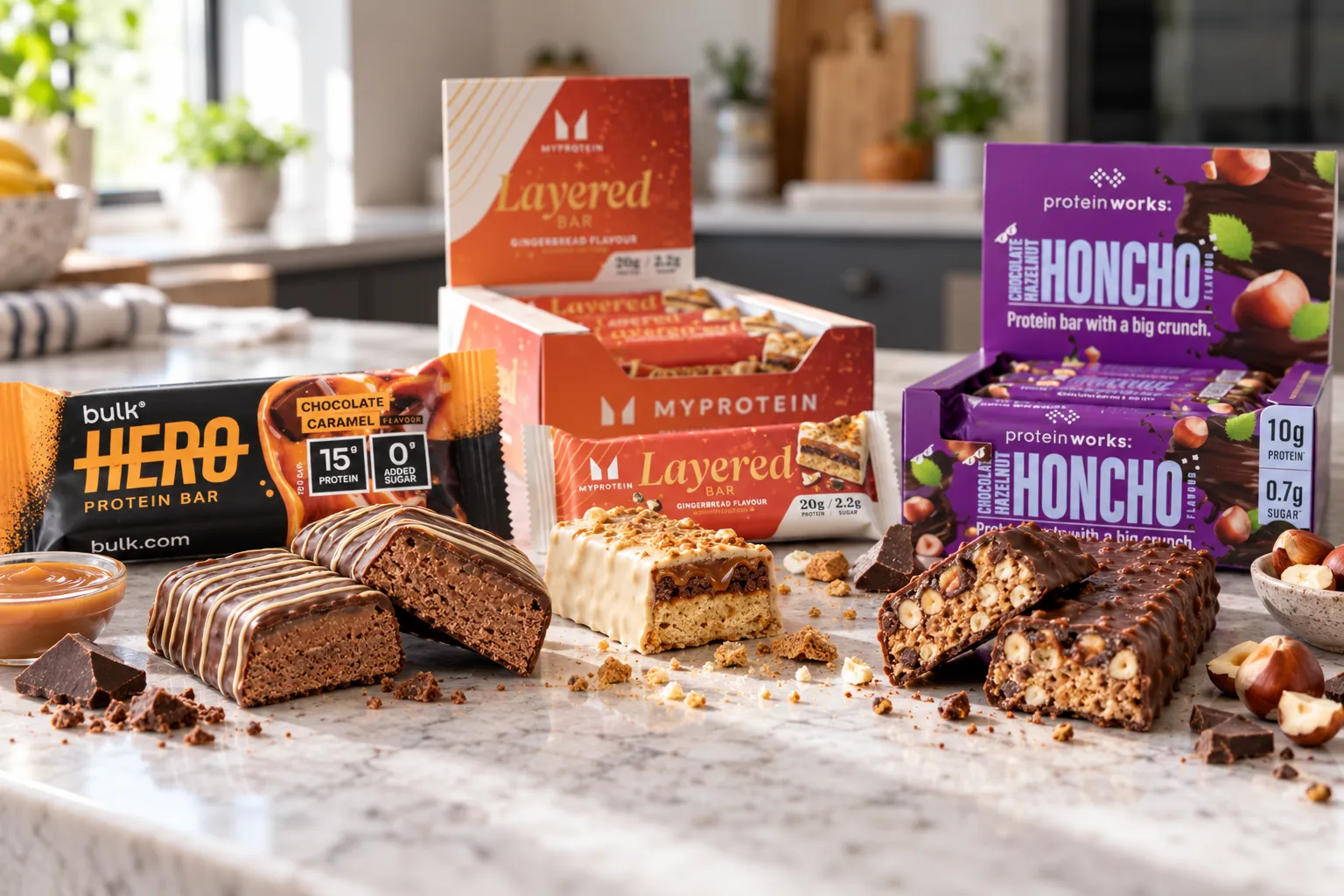
Why Does My Protein Bar Taste Artificial? Ingredients to Avoid
Why protein bars taste artificial and cause bloating: maltitol, sucralose, polydextrose, chicory fibre, IMO and collagen explained, plus which Myprotein, Protein Works and Bulk bars skip sweeteners, palm oil and seed oils. Ingredient lists.
8 min read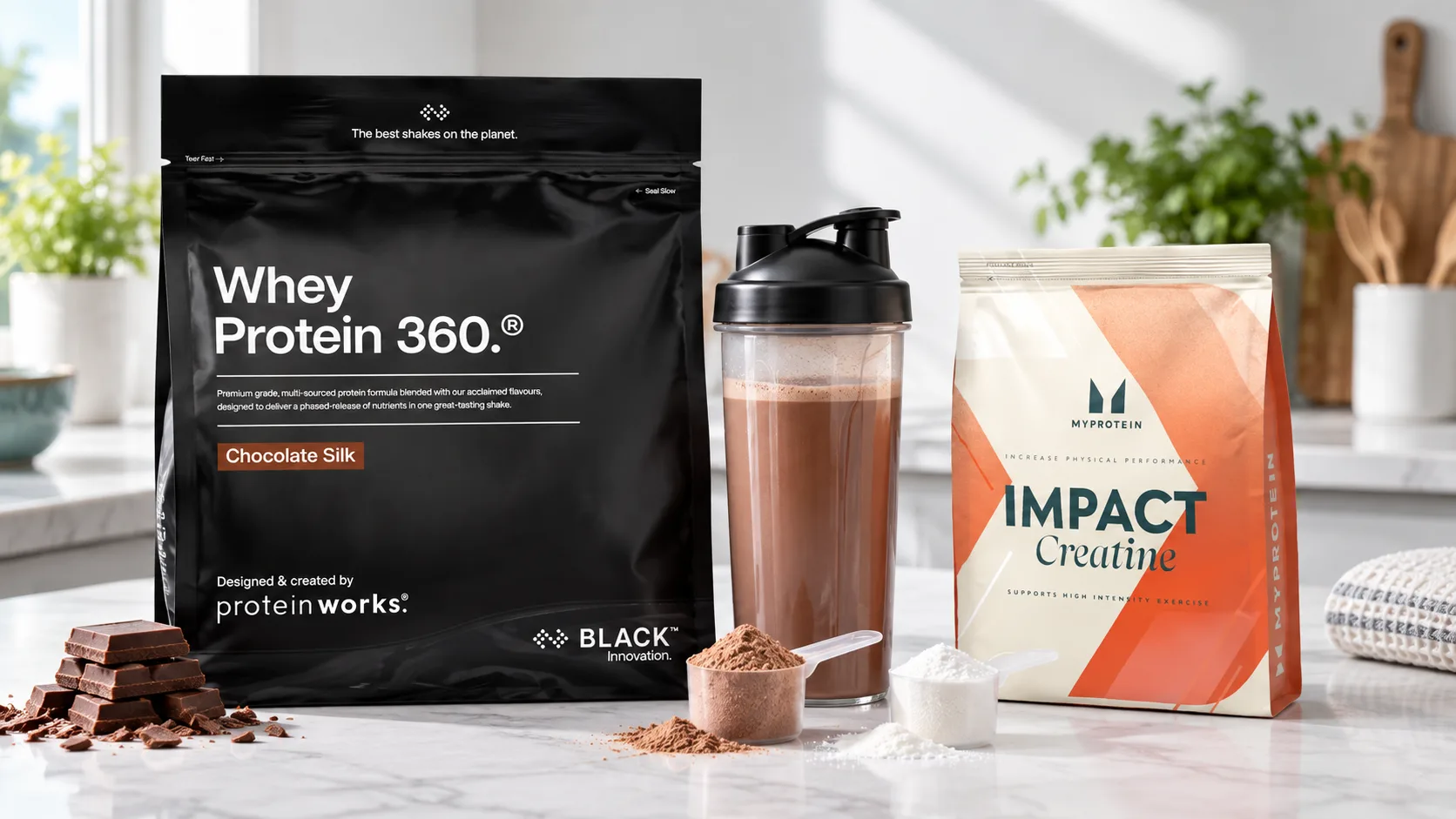
Can You Mix Creatine With Protein Powder? Cost Per Day
Whether creatine and protein powder can go in the same shake, what the research says about taking them together, when to drink it, and what the combination costs per day, checked September 2026.
6 min read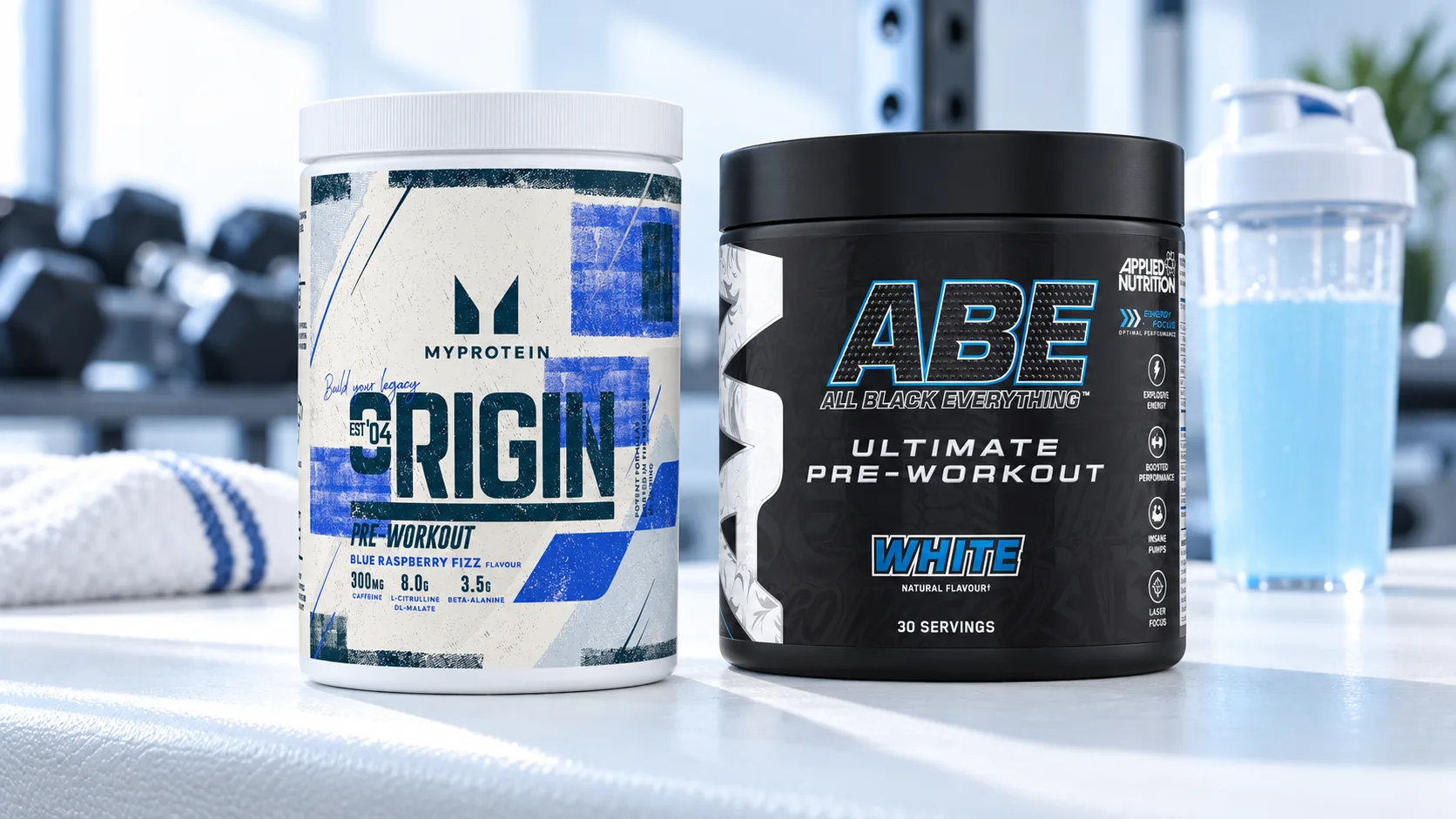
What Is in Pre-Workout, and What Does It Cost?
The ingredients in a typical UK pre-workout, what the evidence says caffeine, citrulline and beta-alanine do, when to take it, and the price per serving of Applied Nutrition ABE and Myprotein Origin, checked September 2026.
7 min readFind your cheapest protein
717 products compared from 180 brands
Sorted by best value per 25g of protein.
Compare all products