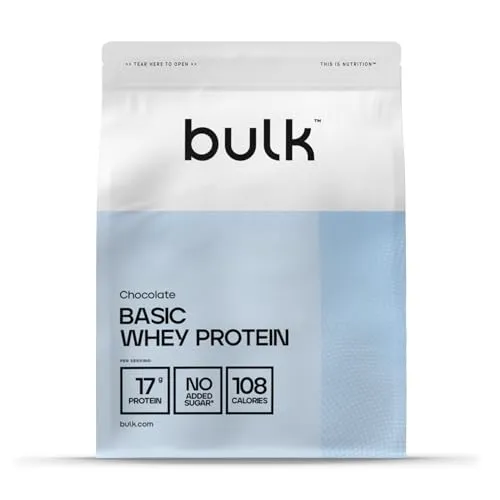
Cheapest convenient option
Bulk
Basic Whey Protein
1.25kg bag
Buy Basic Whey Protein →Live price across UK retailersThe best substitutes for protein powder in the UK: high-protein whole foods like Greek yoghurt, cottage cheese, milk powder, eggs and lentils compared on protein per 100g and cost per gram, plus when powder is still the smarter buy.
Kevin, founder of WheyWise
Cheapest convenient option
Bulk
1.25kg bag
Buy Basic Whey Protein →Live price across UK retailers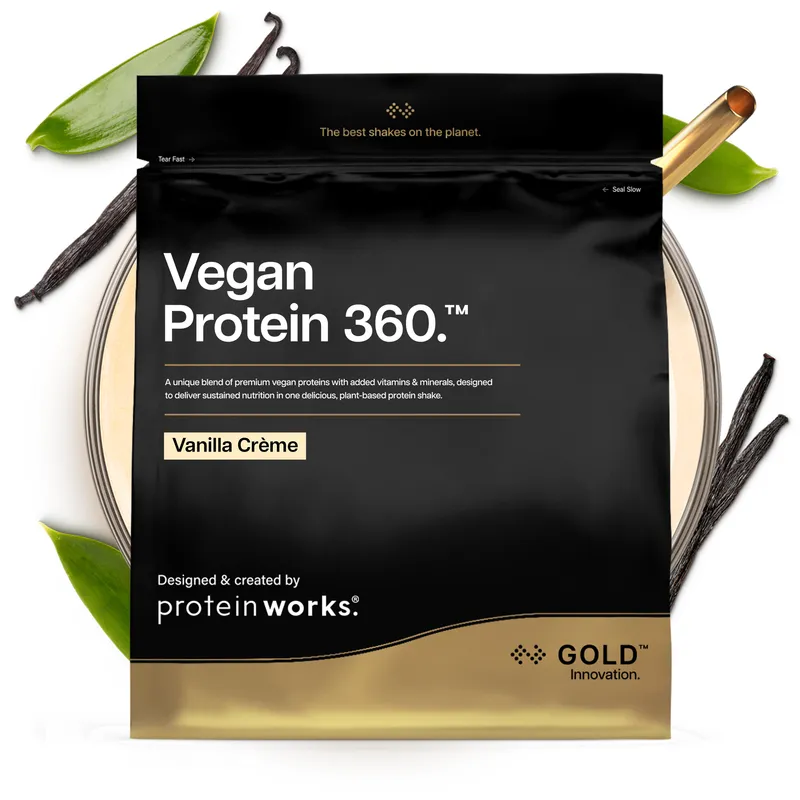
Best dairy-free option
Protein Works
1kg bag
Buy Vegan Protein 360 Gold →Direct from Protein WorksQuick answer
The best substitutes for protein powder are high-protein whole foods: Greek yoghurt (around 10g protein per 100g), cottage cheese (11g), skimmed milk powder (36g), eggs (13g), tinned tuna (25g), red lentils (9g cooked) and soya mince (17g). They need no supplement and add real food to your diet, but they cost more per gram of protein than powder and are slower for a post-workout hit. Protein powder still wins on cost, around 1.5 to 2p per gram of protein if you buy a budget line, and on speed; whole foods win on satiety and overall nutrition.
You do not actually need protein powder to build muscle. Powder is a convenient, cheap way to top up your daily protein, but every gram it provides is available from ordinary food. This guide lists the best whole-food substitutes, shows how they compare with powder on cost per gram of protein, and is honest about the one thing powder still does better than anything in your fridge.
The best substitutes for protein powder are foods with a high protein-to-calorie ratio that you can eat in real quantities. Ranked roughly by protein density:
Each of these is a clean swap for a scoop: two thick Greek yoghurts or a tin of tuna roughly matches the 20 to 25g of protein in a typical whey serving.
Protein powder is still the cheapest protein per gram, which is the honest headline, though the margin has narrowed as whey prices rose. A budget whey concentrate lands near 1.5 to 2p per gram of protein: NutriSport 90+ is about 1.55p and Bulk Basic Whey about 1.83p. The better-known lines are dearer than people assume, with Bulk Pure Whey at roughly 3.83p and MyProtein Impact Whey at 4.15p, which puts them level with food. Eggs, milk and tinned fish sit around 4 to 6p per gram, and fresh chicken breast is often 5p or more. Dried pulses and skimmed milk powder are the closest whole foods on cost.
If you want to see exactly where powder lands, our cheapest protein per gram guide breaks down the live numbers, and the protein calculator shows how much you actually need per day so you know how big the gap is.
The best no-powder post-workout shake is milk blended with Greek yoghurt and a banana: semi-skimmed milk brings around 3.5g protein per 100ml, the yoghurt pushes the total past 25g, and the banana replaces the fast carbs. For a dairy-free version, blend soya milk (a rare plant milk that matches dairy on protein) with silken tofu, which adds roughly 8g protein per 100g without changing the texture much.
For baking, skimmed milk powder is the best protein powder substitute because it adds protein without the strong flavour or grit of whey, and it behaves predictably in batter. Ground almonds and silken tofu also raise the protein of pancakes, muffins and overnight oats. In smoothies, Greek yoghurt, cottage cheese (blended smooth) and soya milk all lift the protein without the artificial sweetener taste some powders bring.
Protein powder wins whenever cost per gram, speed or a very high daily target is the deciding factor. If you are aiming for 150g of protein a day, hitting it from food alone is expensive and time-consuming, and one or two scoops close the gap for pennies. Powder is also the most portable option: a shaker in a gym bag beats trying to eat two tins of tuna at your desk.
If that convenience matters to you, these are the cheapest ways to buy it, one whey and one dairy-free:
Cheapest convenient option
1.25kg bag
Bulk Basic Whey is the cheapest convenient protein when food is not practical, at roughly 1.83p per gram of protein against 4 to 6p for eggs, milk or tinned fish. Use it to top up a high daily target, not to replace meals.
or compare all UK prices →Cheapest convenient option
Pros
Cons
Protein makes up 56%
of this 30g scoop · 92 kcal total
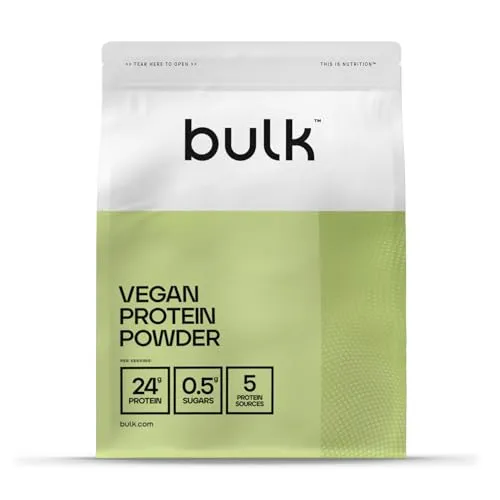
Best dairy-free option
1kg bag
Bulk Vegan Protein is the best-value dairy-free powder when whole-food plant proteins are not enough, at 23g per serving from a pea and faba blend. The convenient plant option to sit alongside lentils, tofu and soya.
or compare all UK prices →Best dairy-free option
Pros
Cons
Protein makes up 69%
of this 35g scoop · 115 kcal total
Compare live prices on every UK protein ranked by cost per 25g on the main comparison table, or see what is discounted this week on the deals page. To work out how much protein you actually need before deciding whether to bother with powder, use the protein calculator.
The best substitutes for protein powder are high-protein whole foods: Greek yoghurt (around 10g protein per 100g), cottage cheese (11g), skimmed milk powder (36g), eggs (13g), tinned tuna (25g), red lentils (9g cooked) and soya mince (17g). For a shake, blend milk with Greek yoghurt or silken tofu; for baking, use skimmed milk powder or ground almonds. They add real food and satiety, but cost more per gram of protein than powder.
Real food is better for overall nutrition and fullness because it brings fibre, vitamins and slower digestion, while protein powder is better for convenience, speed and cost per gram of protein. Most people benefit from getting the bulk of their protein from whole foods and using powder only to top up a target they cannot hit through meals alone.
The cheapest whole-food proteins in the UK are eggs, tinned fish, milk and dried pulses such as red lentils and chickpeas, all of which deliver protein at a low cost per gram. Skimmed milk powder is a particularly cheap and shelf-stable option at around 36g protein per 100g. None of these quite match the cost per gram of a discounted whey concentrate, but they come far closer than fresh meat does.
Yes, you can build muscle without protein powder as long as you hit your daily protein target from whole foods. Protein powder is a convenience, not a requirement: it just makes reaching a high target easier and cheaper. If you can eat enough Greek yoghurt, eggs, meat, fish, dairy and pulses to reach roughly 1.6 to 2.2g of protein per kg of bodyweight, you do not need it.
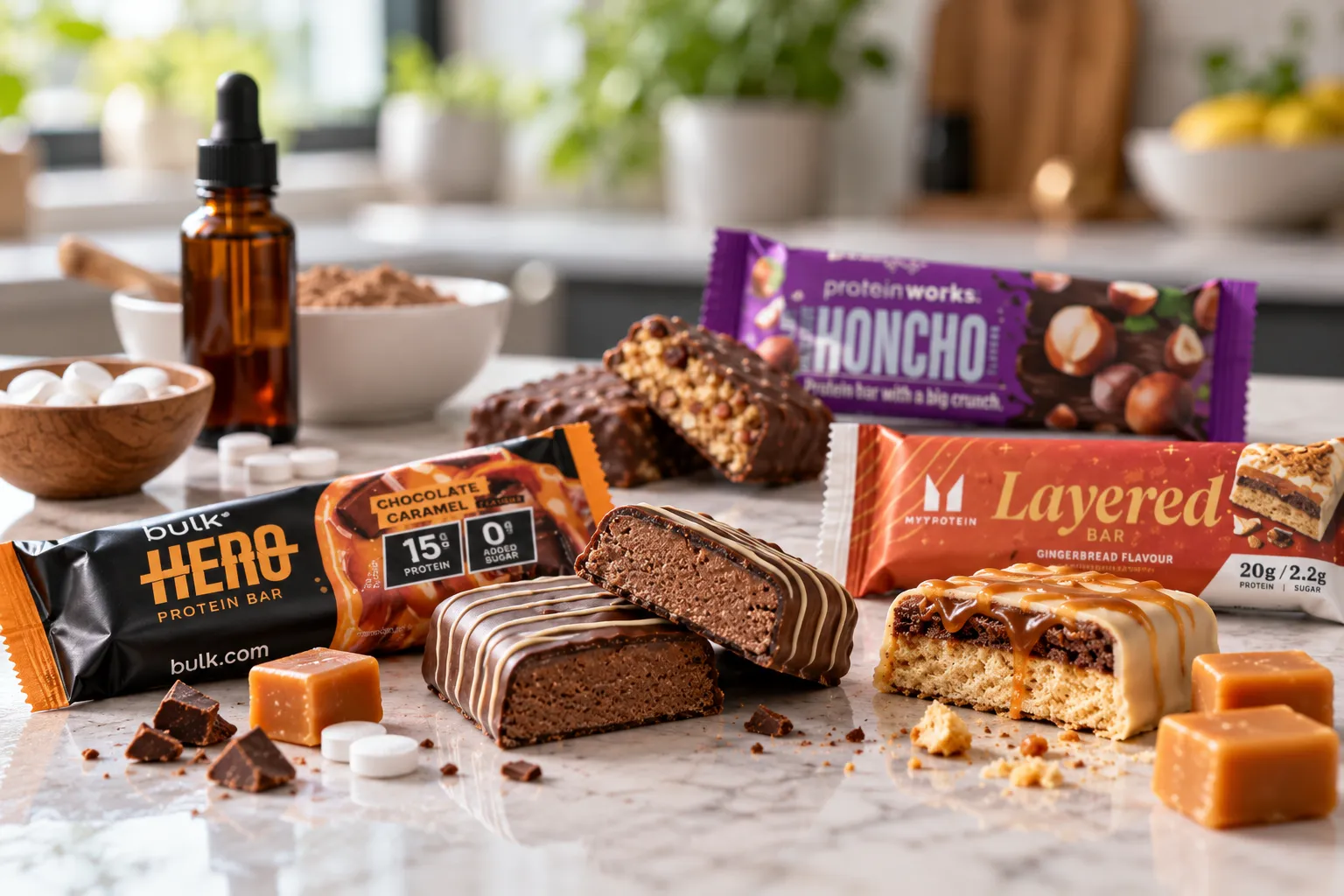
What Are the Best Protein Bars in the UK? (2026)
Myprotein, Protein Works and Bulk protein bars ranked on protein per calorie, sugar, sweeteners, palm oil and cost per 10g of protein, with Layered vs Impact, the best vegan bar and the best bar for weight loss. Prices and labels checked at source.
10 min read
Does Protein Powder Expire? Shelf Life and Big Bag Value
What a best before date on protein powder means, how long whey lasts, the signs it has gone off, and how long a 5kg bag takes to finish, with bag-size prices per 25g of protein checked in September 2026.
6 min read
Protein Works Compare UK 2026: Every Range, Tier and Price
Protein Works sells almost everything in Black, Gold and Platinum. We checked every label and price in the range to find which tier is worth paying for, and what each one actually changes.
8 min readFind your cheapest protein
719 products compared from 181 brands
Sorted by best value per 25g of protein.
Compare all products